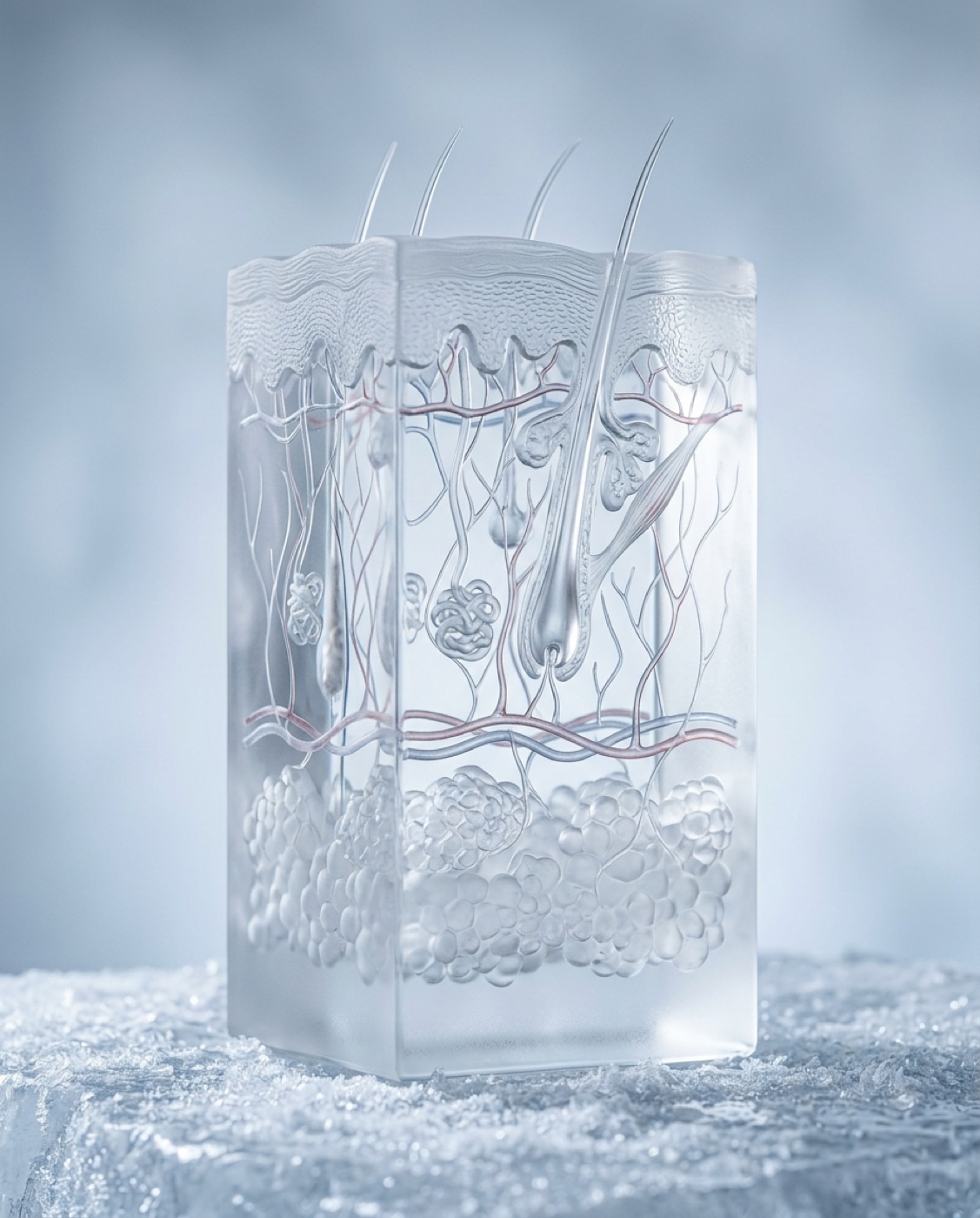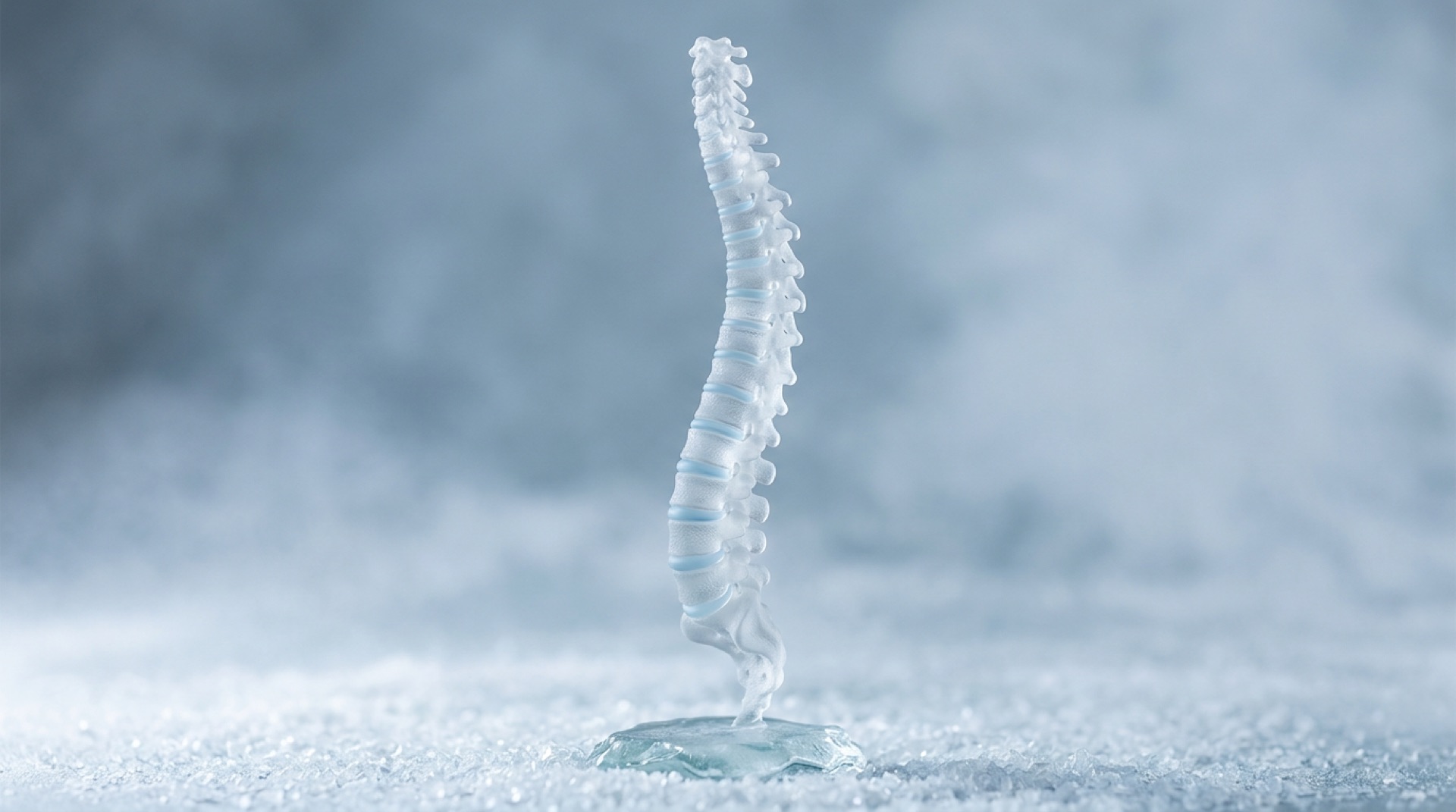
Your spine is a stack of 33 small bones called vertebrae, with discs between them that absorb shocks, a column of nerves running through the middle, and muscles and ligaments that hold it in place. In your joints, smooth cartilage and a lubricating fluid let the bones move without rubbing. Most back pain gets better within a few weeks.
Key facts
- 33 vertebrae: 7 in the neck, 12 in the middle back, 5 in the lower back, 5 fused in the sacrum and 4 fused in the tailbone.
- 31 pairs of nerves branch out from your spinal cord.
- 3 natural curves give a healthy spine its S-shape.
- Weeks: back pain usually gets better within a few weeks.
How it works, in 5 steps
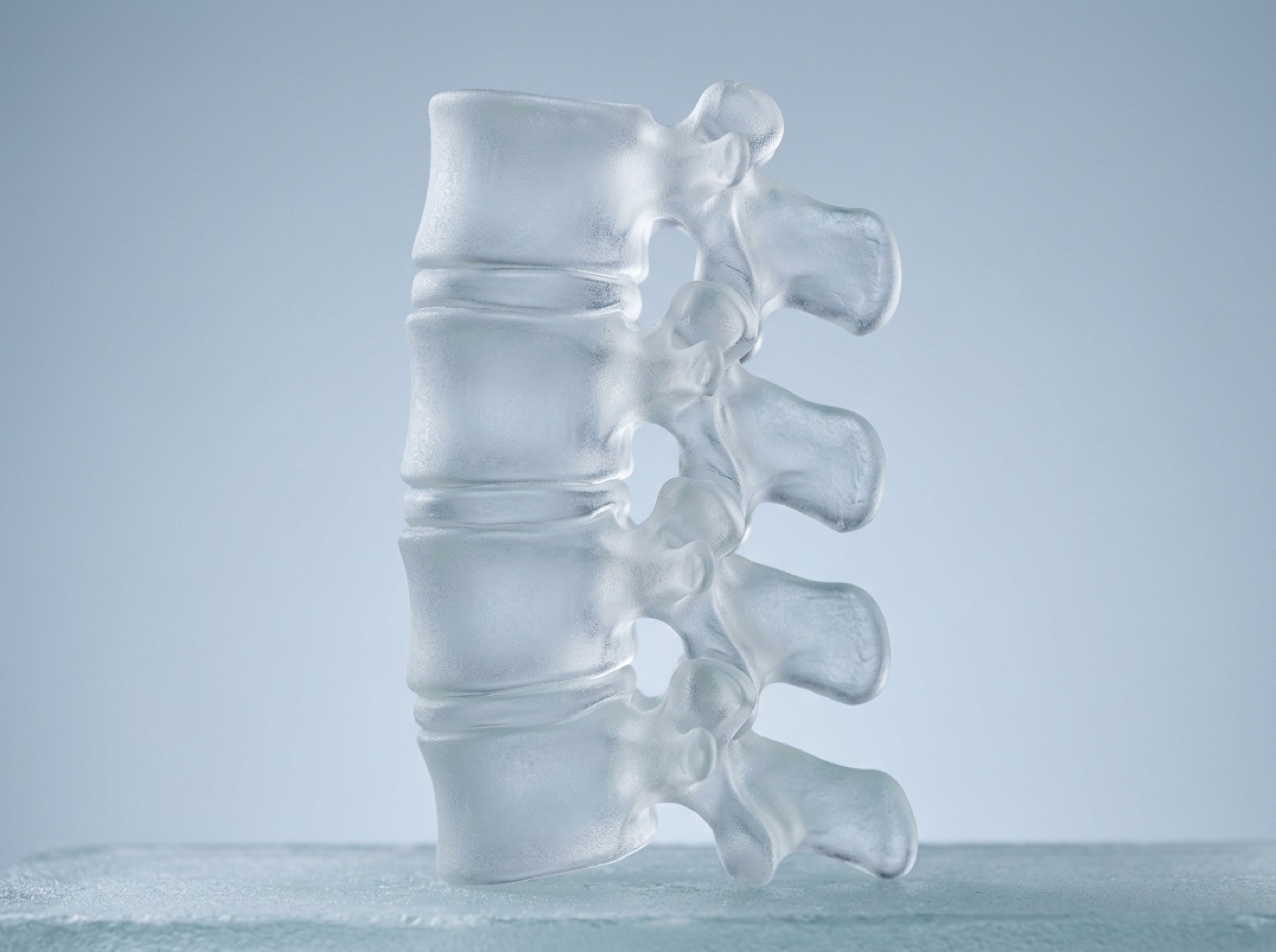
1. A stack of small bones
Your spine is made of 33 stacked vertebrae: 7 in your neck, 12 in your middle back, 5 in your lower back, then 5 fused together in the sacrum and 4 in the tailbone. Seen from the side, it has three gentle curves that form an S-shape.
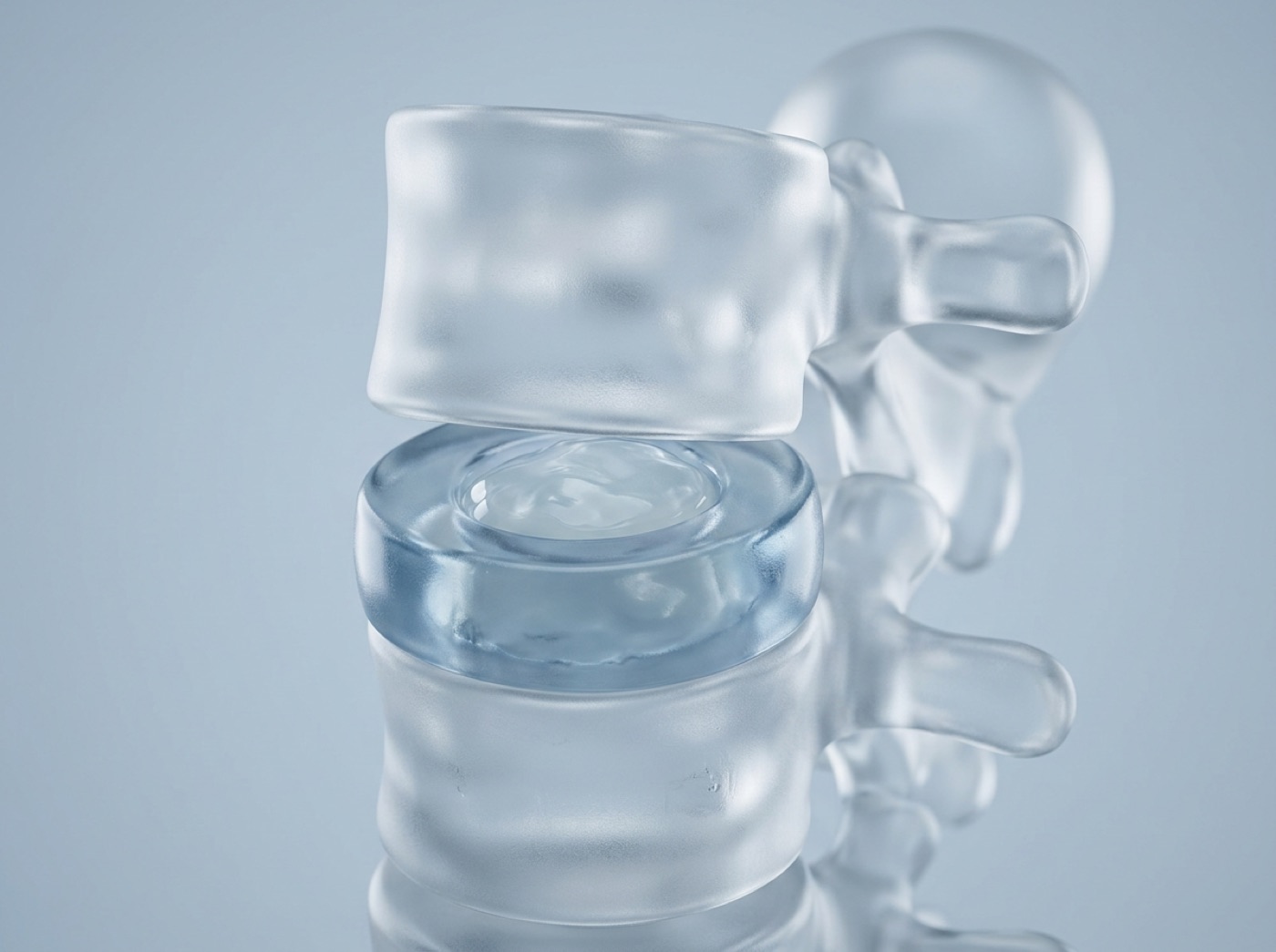
2. Discs absorb the shocks
Between the vertebrae sit discs that act as shock absorbers. Each one has a soft, gel-like centre surrounded by a flexible outer ring.
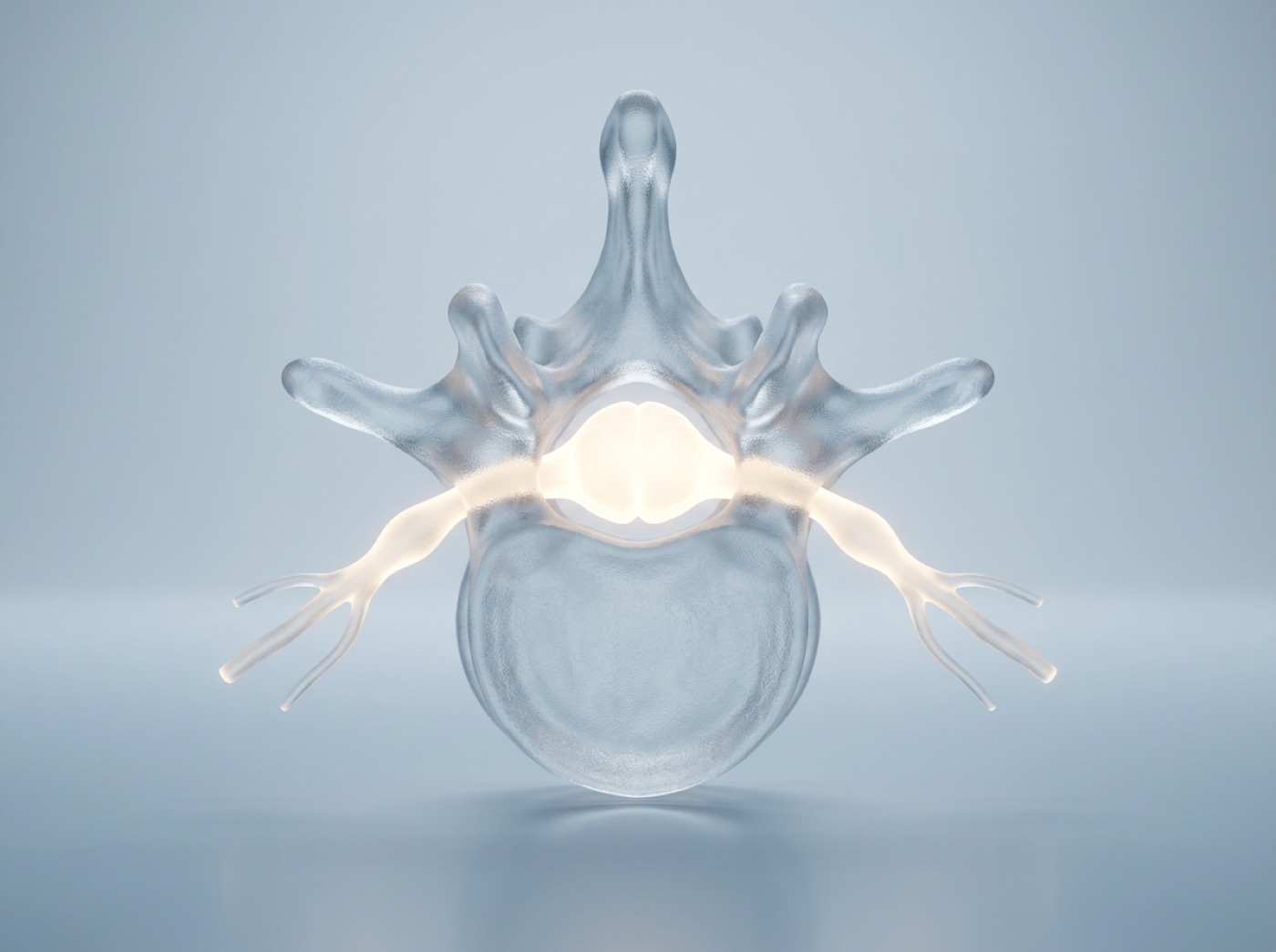
3. A column of nerves runs through it
The stacked vertebrae form the spinal canal, and through it runs the spinal cord, a column of nerves. Thirty-one pairs of nerves branch out through openings between the vertebrae and carry messages between your brain and your muscles.
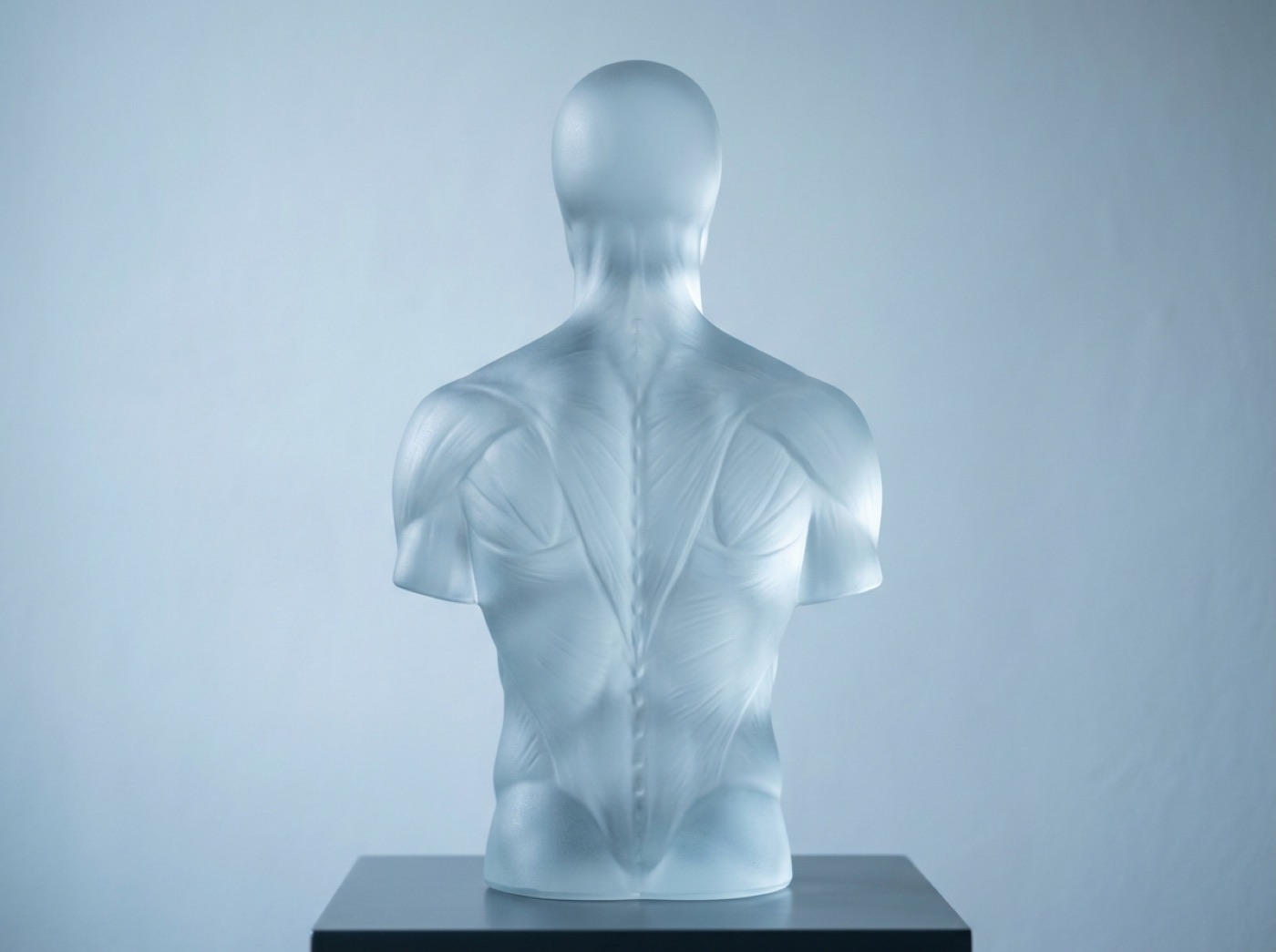
4. Muscles and ligaments hold it together
Ligaments connect the vertebrae and hold your spine in position. Muscles support it and let you bend, twist and move.
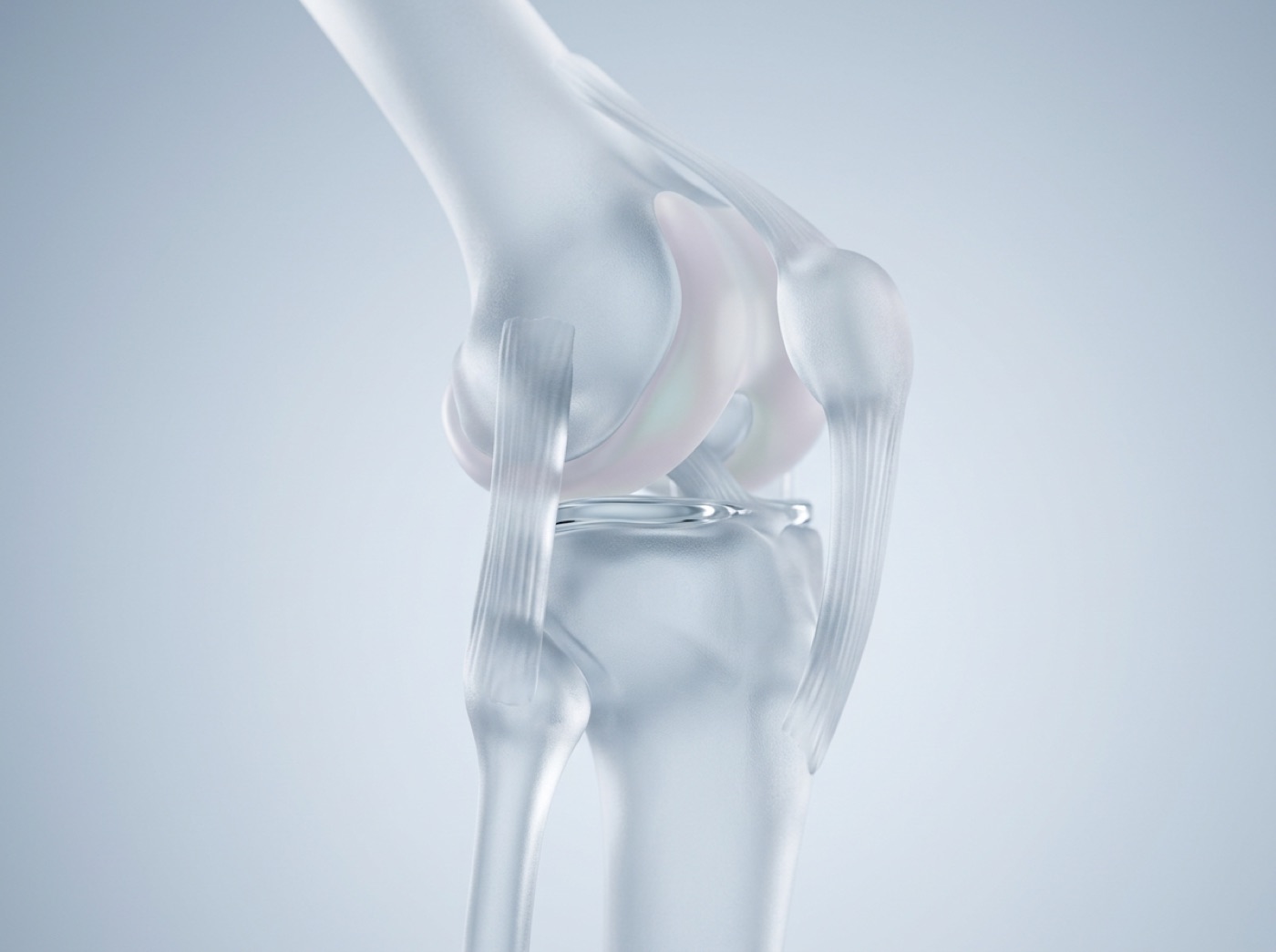
5. Joints glide on cartilage
Where two bones meet, smooth cartilage covers their ends and keeps them from rubbing directly together. A membrane around the joint makes synovial fluid, a slippery liquid that lubricates it, and works with the cartilage, tendons and ligaments to reduce friction as you move.
Looking after back pain
- Stay active and try to carry on with your daily activities.
- Do not stay in bed for long periods.
- An ice pack wrapped in a tea towel can ease pain and swelling.
- A heat pack or hot water bottle wrapped in a tea towel can ease stiffness or muscle spasms.
When back pain needs a doctor
See a doctor if back pain:
- does not improve after treating it at home for a few weeks
- stops you doing your day-to-day activities
- comes with weight loss you did not try for
- is worse when you sneeze, cough or go to the toilet
- comes from the top of your back, between your shoulders
Get help the same day if you feel hot, cold, shivery or generally unwell, or if the pain is severe and started suddenly or is getting worse quickly.
Call 112 if back pain comes with pain, tingling, weakness or numbness in both legs; a loss of feeling around your genitals or anus; difficulty peeing, or peeing or pooing yourself; changes in how your genitals feel during sex; chest pain; or if it started after a serious accident.
Frequently asked questions
How many vertebrae are in the spine?
33: 7 in the neck, 12 in the middle back, 5 in the lower back, 5 fused together in the sacrum and 4 fused in the tailbone.
What do spinal discs do?
They sit between the vertebrae and act as shock absorbers. Each disc has a soft, gel-like centre surrounded by a flexible outer ring.
How long does back pain last?
It usually gets better within a few weeks, but it can sometimes last longer or keep coming back. See a doctor if it has not improved after a few weeks of treating it at home.
Should I rest in bed with back pain?
No. Staying active and carrying on with your daily activities helps; staying in bed for long periods does not.
When is back pain an emergency?
Call 112 if it comes with pain, tingling, weakness or numbness in both legs, a loss of feeling around your genitals or anus, difficulty peeing or losing control of your bladder or bowels, chest pain, or if it started after a serious accident.
Sources
Written by Anpheros from the sources above and checked on 16 October 2026. General information, not medical advice: for your own health, talk to a doctor. In an emergency, call 112.