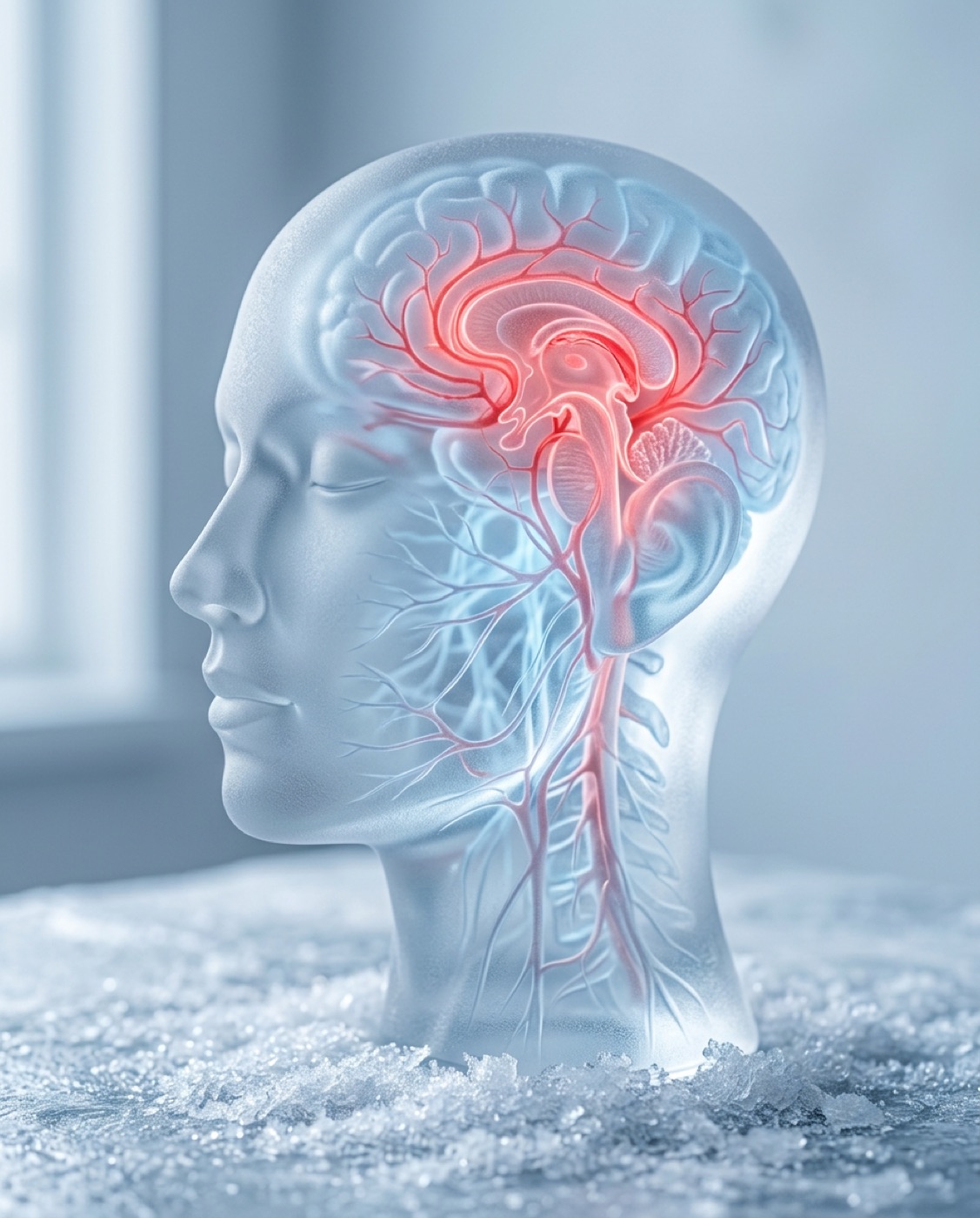
Your body runs on glucose from the food you eat and oxygen carried by your blood. Inside your cells, tiny structures called mitochondria turn them into the energy that powers everything you do. Tiredness that lasts can have many causes, from stress and lifestyle to illnesses such as anaemia or an underactive thyroid.
Key facts
- Glucose from the food you eat is your body's primary source of energy.
- Oxygen travels from your lungs to the rest of your body on haemoglobin, an iron-rich protein in your blood.
- ATP is the small molecule that stores the energy your mitochondria make.
- Weeks of tiredness without a clear reason is a reason to see a doctor.
How your body makes energy, in 5 steps
1. Food becomes glucose
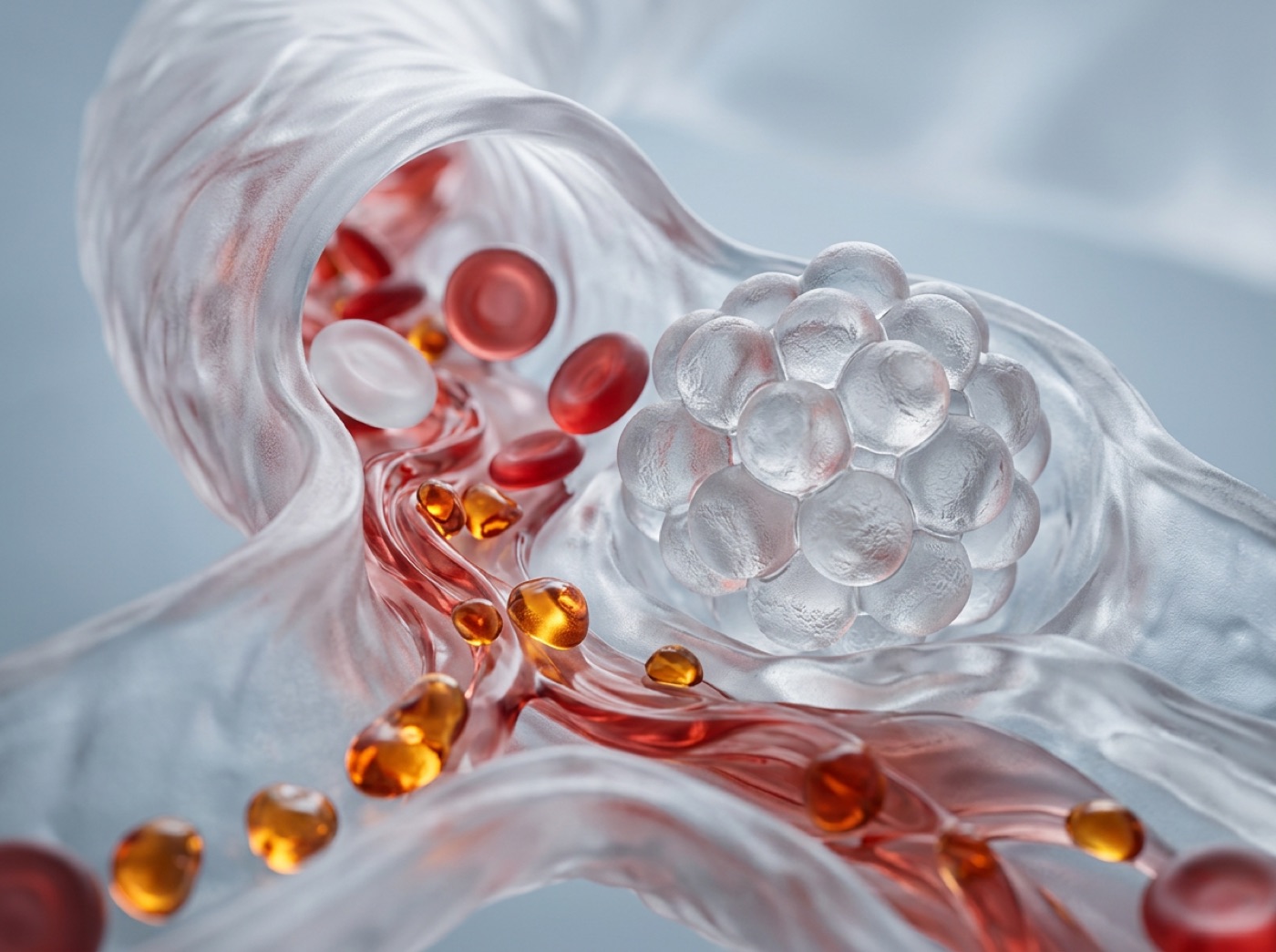
Digestion breaks most of what you eat down into glucose, which passes into your blood. When your blood glucose rises, your pancreas releases insulin, a hormone that helps the glucose get into your cells to be used for energy.
2. Your blood brings oxygen
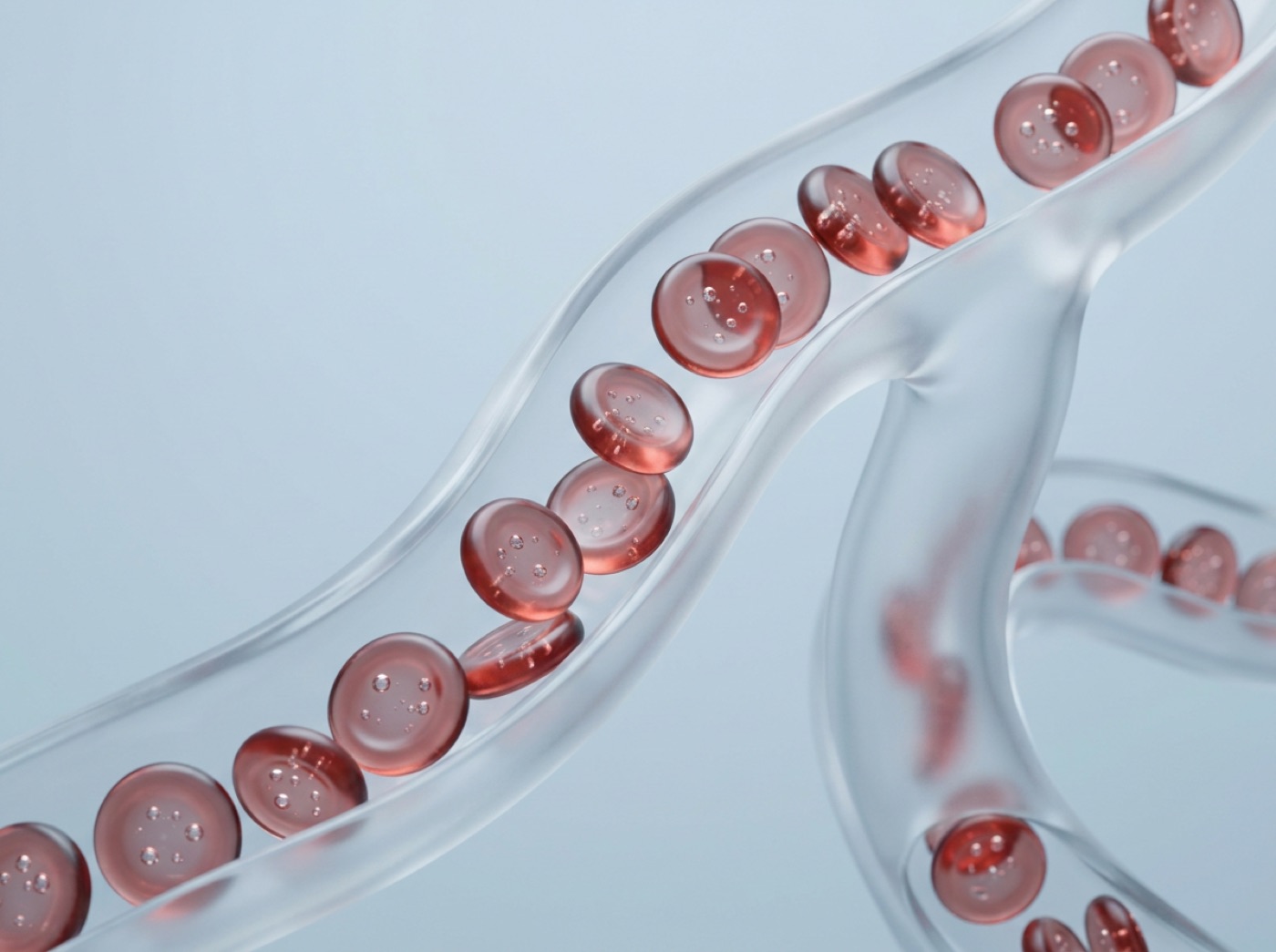
Haemoglobin, the iron-rich protein that makes blood red, carries oxygen from your lungs to the rest of your body. Your body needs iron to make it, and not having enough iron is the most common cause of anaemia, which can make you feel tired, cold and dizzy.
3. Mitochondria make the energy
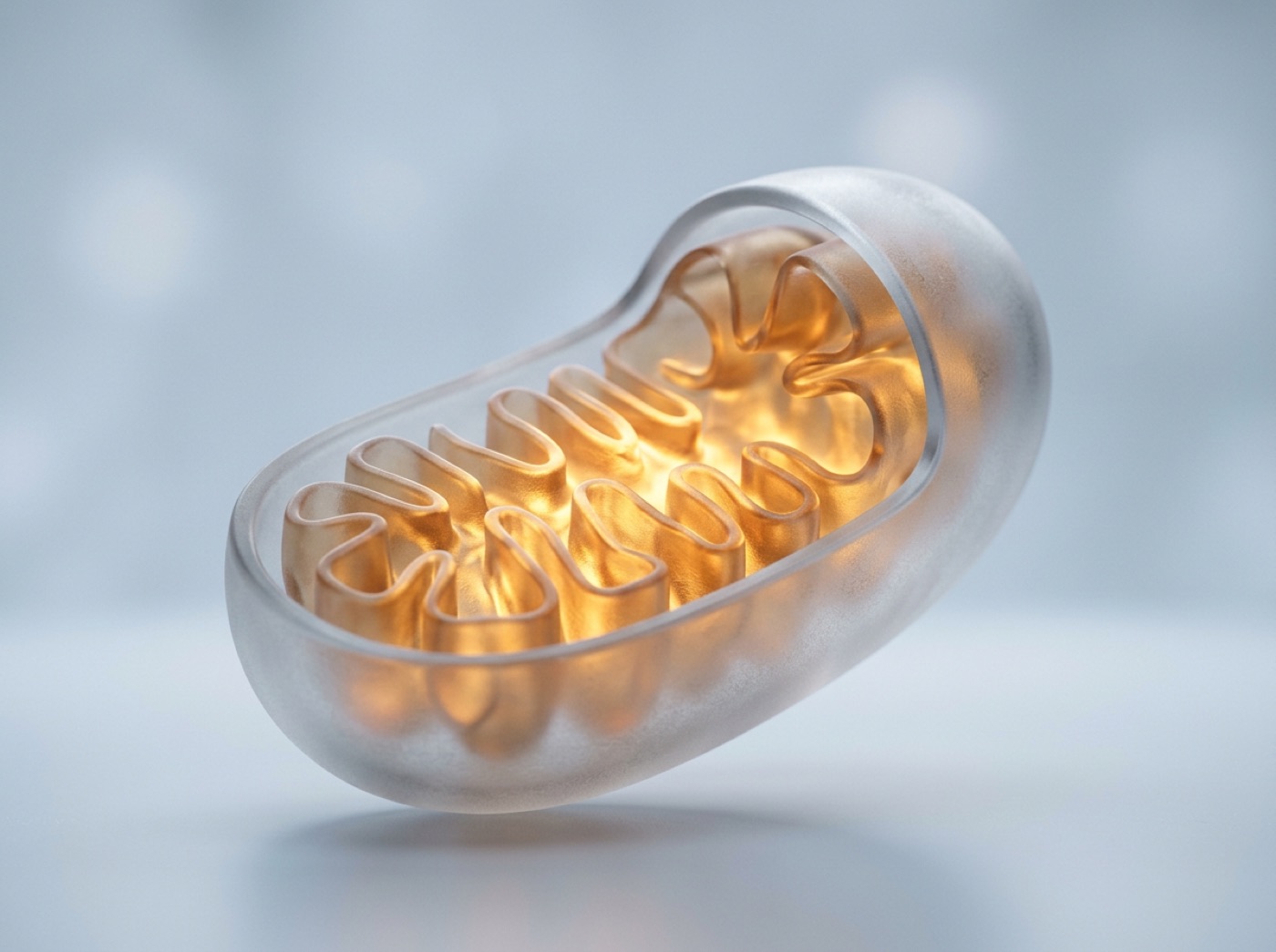
Inside your cells, mitochondria generate most of the chemical energy the cells need. They store it in a small molecule called adenosine triphosphate, or ATP, which powers the cell's work.
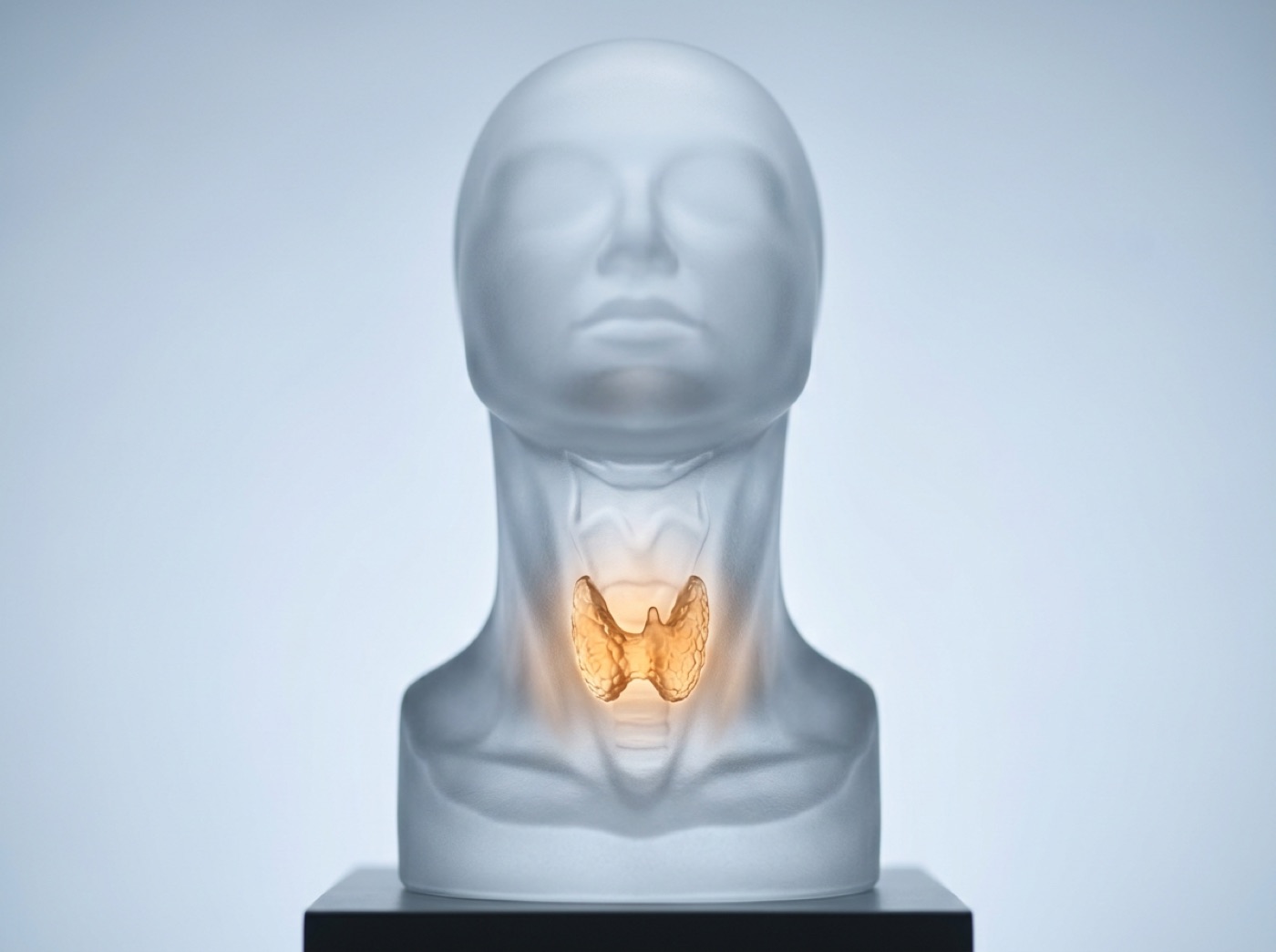
4. Your thyroid sets the pace
The thyroid, a small butterfly-shaped gland at the front of your neck, makes hormones that control the way your body uses energy. When it does not make enough of them, an underactive thyroid, feeling extremely tired is a common symptom.

5. Rest refills you
Sleep gives your body and brain the time to recover. Going to bed and getting up at the same times, and keeping screens away in the hour before sleep, help you sleep better. How sleep works.
Common reasons you feel tired
- Your mind: stress, depression, and life challenges such as bereavement or looking after a new baby.
- Your health: illnesses such as glandular fever or COVID-19, some medical treatments and medicines, iron deficiency anaemia and an underactive thyroid.
- Your lifestyle: an unhealthy diet and not getting much exercise.
Eating well, exercising regularly, keeping the same sleep times, not using screens in the hour before bed and not smoking can all help.
When tiredness needs a doctor
See a doctor if:
- you have been feeling tired for a few weeks and you are not sure why
- your tiredness affects your daily life
- you feel tired and have other symptoms, such as weight loss or mood changes
- you think you might have iron deficiency anaemia: tiredness and lack of energy with shortness of breath, noticeable heartbeats, paler skin than usual or headaches
Frequently asked questions
Why am I always tired?
Common reasons include stress, depression, big life changes, illnesses such as glandular fever or COVID-19, some medicines, anaemia, an underactive thyroid, an unhealthy diet and too little exercise. If you have been tired for a few weeks and you are not sure why, see a doctor.
How does the body make energy?
Your cells take in glucose from your food, with the help of the hormone insulin, and oxygen carried by your blood. Their mitochondria turn these into chemical energy stored in a molecule called ATP.
Can low iron make you tired?
Yes. Your body needs iron to make haemoglobin, the protein that carries oxygen in your blood. Not having enough iron is the most common cause of anaemia, which can make you feel tired, cold and dizzy.
Can the thyroid cause tiredness?
Yes. Thyroid hormones control the way your body uses energy, and when the thyroid does not make enough of them, feeling extremely tired is a common symptom.
When should I see a doctor about tiredness?
If you have been tired for a few weeks without knowing why, if it affects your daily life, or if it comes with other symptoms such as weight loss or mood changes.
Sources
- MedlinePlus (NIH) — Blood Glucose
- MedlinePlus (NIH) — Anemia
- NHGRI (NIH) — Mitochondria
- MedlinePlus (NIH) — Thyroid Diseases
- NHS — Tiredness and fatigue
- NHS — Iron deficiency anaemia
Written by Anpheros from the sources above and checked on 16 October 2026. General information, not medical advice: for your own health, talk to a doctor. In an emergency, call 112.