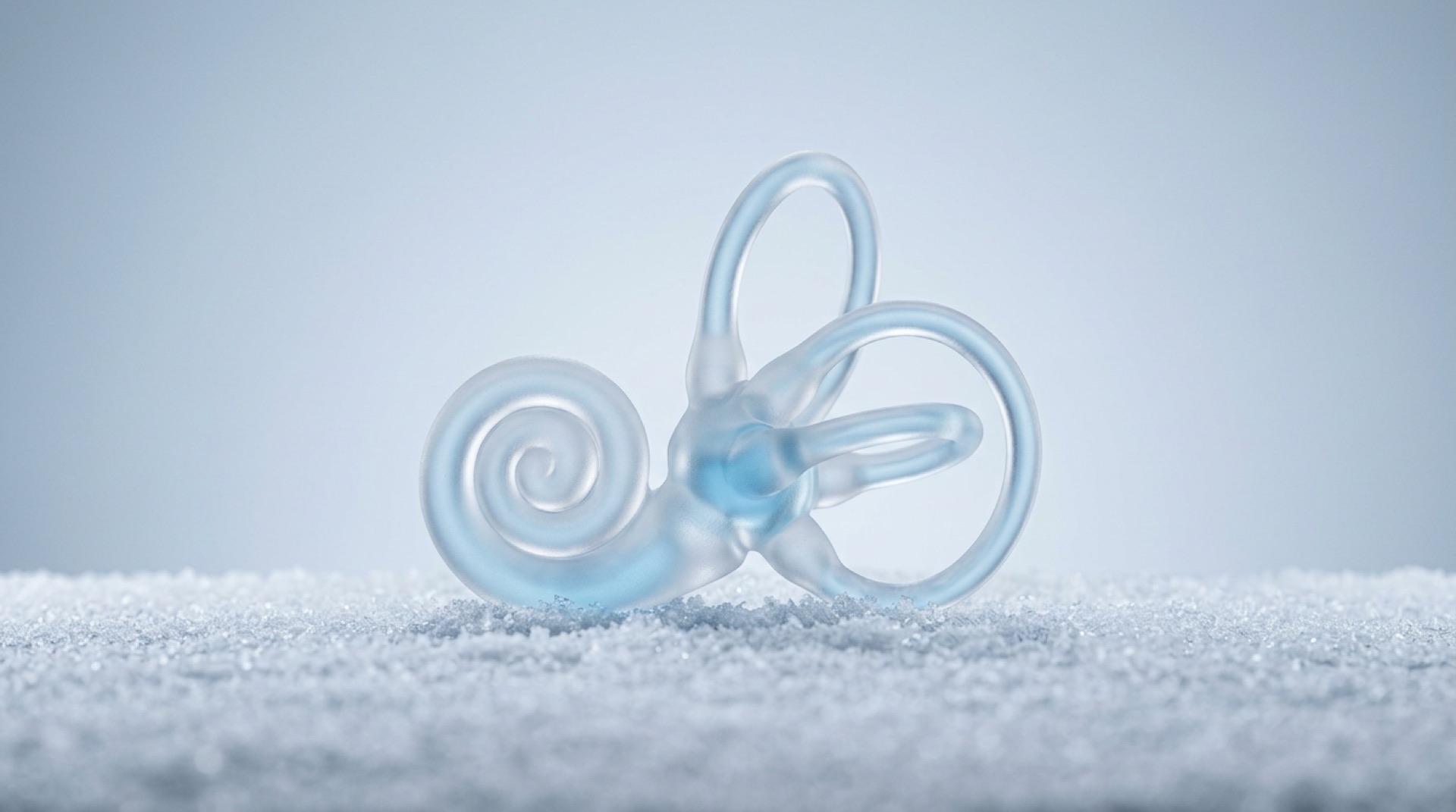
Your sense of balance relies on signals sent to your brain from several parts of your body: the balance organs of your inner ear, your eyes, and sensors in your muscles and joints. Your brain combines them to keep you steady, whether you are still or moving. Problems along the way, from an inner ear infection to a sudden drop in blood pressure when you stand up, can make you feel dizzy.
Key facts
- 3 sources of signals keep you balanced: your inner ear, your eyes, and sensors in your muscles and joints.
- 3 looping semicircular canals in your inner ear tell your brain when your head turns.
- 2 small organs, the utricle and the saccule, tell it where your head is relative to gravity.
- FAST: sudden dizziness with a drooping face, weak arms or slurred speech can be a stroke. Call 112.
How it works, in 5 steps
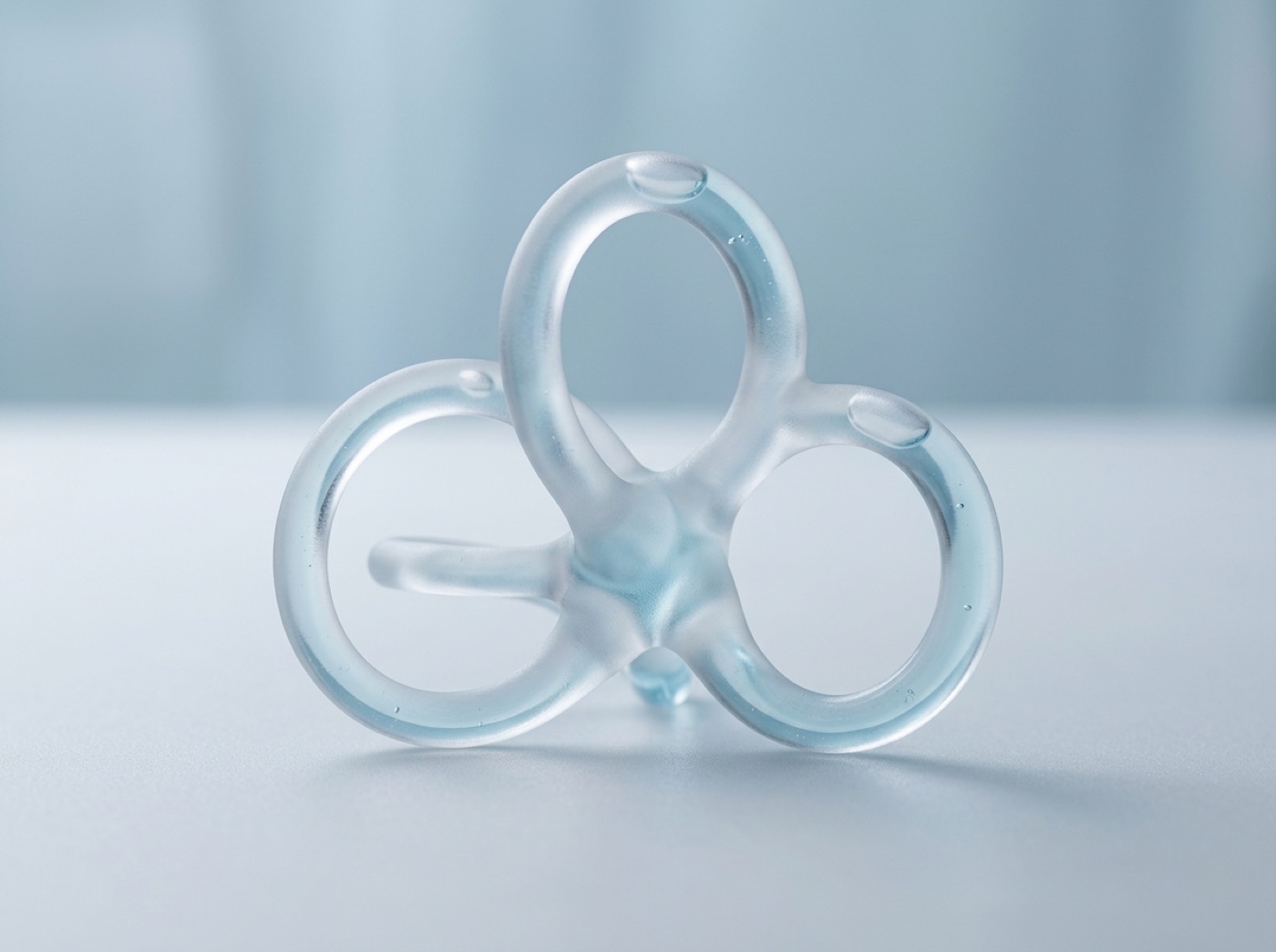
1. Canals in your inner ear sense turning
The part of your ear that helps with balance is called the vestibular system. Its looping semicircular canals tell your brain when your head rotates.
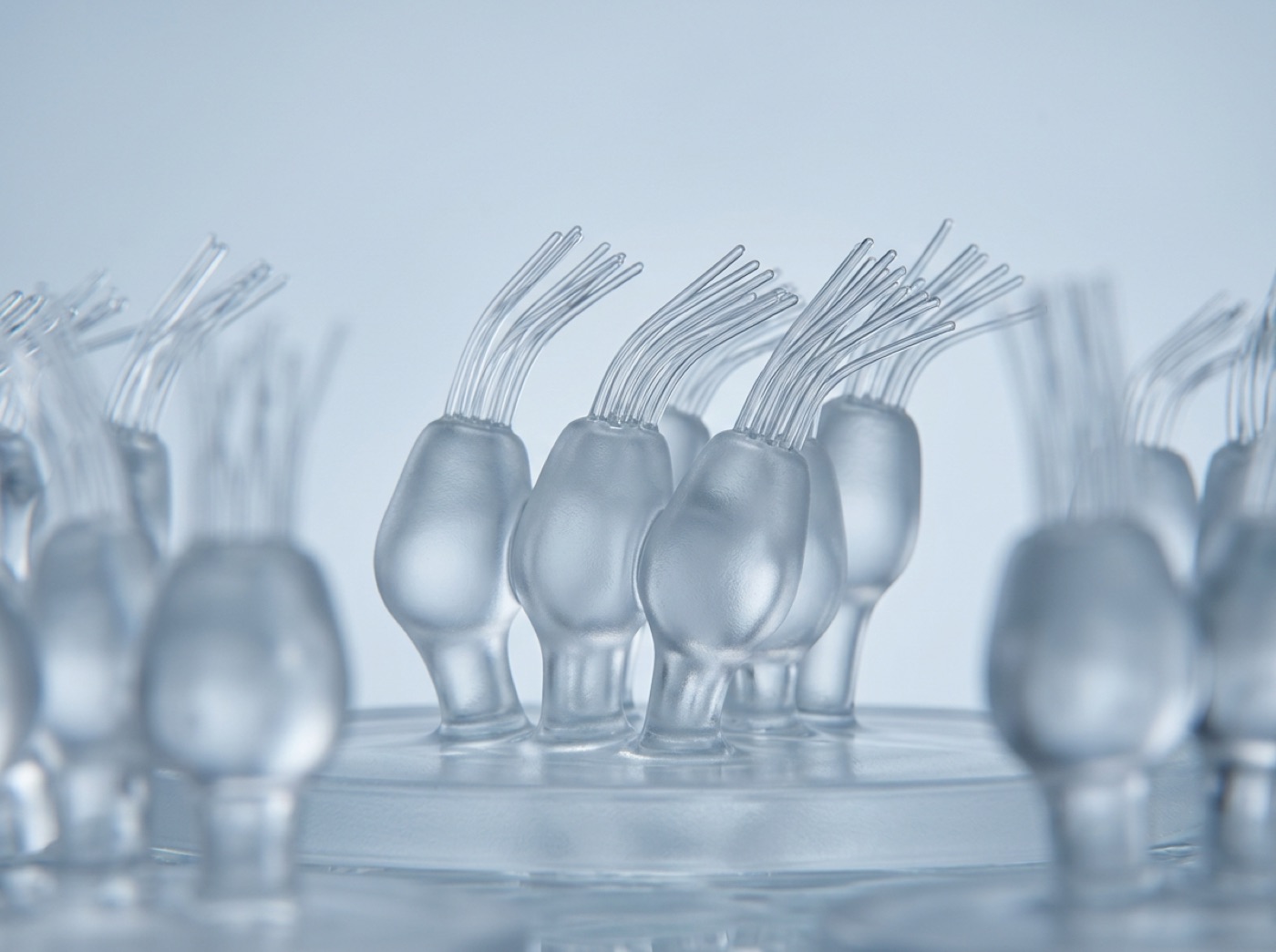
2. Two small organs sense gravity
Two small organs next to the canals, the utricle and the saccule, tell your brain the position of your head with respect to gravity, such as whether you are upright, tilted or lying down.

3. Your eyes check the horizon
Your inner ear works together with your other senses. What your eyes see tells your brain how you are positioned and moving compared with the world around you.

4. Your body feels the ground
Sensors in your muscles and joints tell your brain where your body and limbs are and how they are moving, for example when you stand on uneven ground.
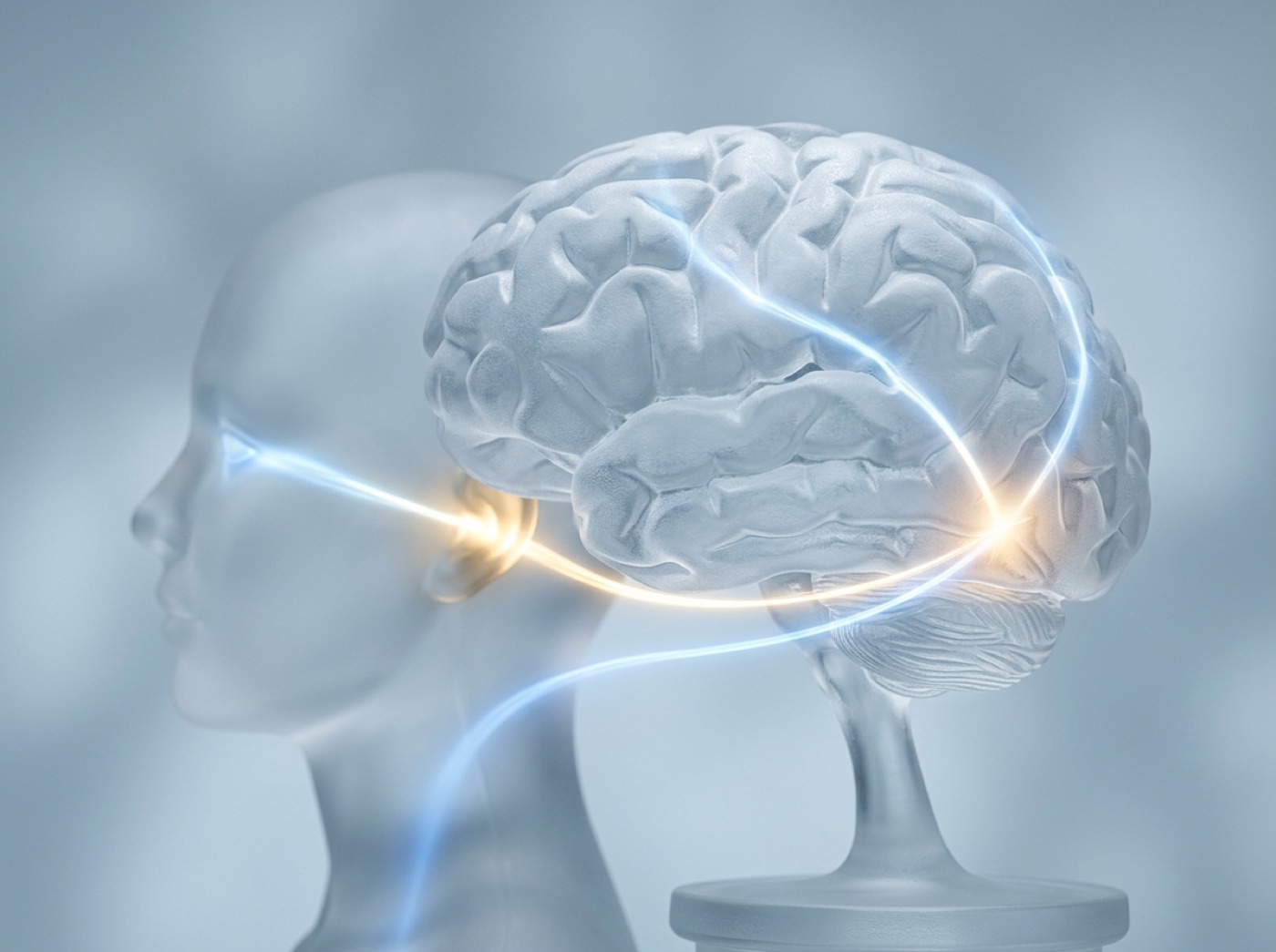
5. Your brain puts it all together
Your brain combines all these signals to control your body's position, both at rest and in motion, and keeps you steady.
Why you might feel dizzy
Dizziness often goes away once its cause is treated, such as an ear infection or a migraine. Other common causes include dehydration, stress or anxiety, low blood sugar and iron deficiency anaemia. Dizziness without an obvious reason can come from a sudden drop in blood pressure when you stand or sit up, inner ear problems such as labyrinthitis, or side effects of a new medicine.
In benign paroxysmal positional vertigo (BPPV), loose tiny crystals in the inner ear tumble into one of the semicircular canals and cause brief spells of spinning when you change the position of your head.
What to do when you feel dizzy
- Lie down until the dizziness passes, then get up slowly.
- Move slowly and carefully, and get plenty of rest.
- Drink plenty of fluids, especially water.
- Avoid coffee, cigarettes, alcohol and drugs.
- Do not bend down suddenly or stand up too quickly.
- Do not drive or climb a ladder while you feel dizzy.
When dizziness needs a doctor
See a doctor if:
- you are worried about your dizziness, or it will not go away or keeps coming back
- you are finding it harder to hear or speak, or have ringing or other sounds in your ears
- you have double vision, blurred vision or other changes to your eyesight
- your face, arms or legs feel numb or weak
- you also have changes in your pulse, fainting, headaches, or feeling or being sick
Call 112 if dizziness comes with signs of a stroke: a face drooping on one side, being unable to lift both arms and keep them up, slurred or confused speech, weakness or numbness on one side, loss of vision, or a sudden severe headache. Call even if the signs have stopped.
Frequently asked questions
How does the body keep its balance?
Your brain combines signals from the balance organs of your inner ear, from your eyes and from sensors in your muscles and joints, and uses them to keep your body steady whether you are still or moving.
What part of the ear controls balance?
The vestibular system of the inner ear: the semicircular canals, which sense when your head turns, and the utricle and saccule, which sense the position of your head relative to gravity.
Why do I feel dizzy when I stand up?
A sudden drop in blood pressure when you stand or sit up is a common cause. Getting up slowly, and lying down until the dizziness passes, can help. See a doctor if it keeps happening.
What is BPPV?
Benign paroxysmal positional vertigo: brief spells of spinning when you change the position of your head, caused by loose tiny crystals in the inner ear tumbling into one of the semicircular canals.
When is dizziness an emergency?
When it comes with signs of a stroke: a drooping face, weak arms, slurred speech, weakness or numbness on one side, loss of vision or a sudden severe headache. Call 112 straight away.
Sources
Written by Anpheros from the sources above and checked on 16 October 2026. General information, not medical advice: for your own health, talk to a doctor. In an emergency, call 112.