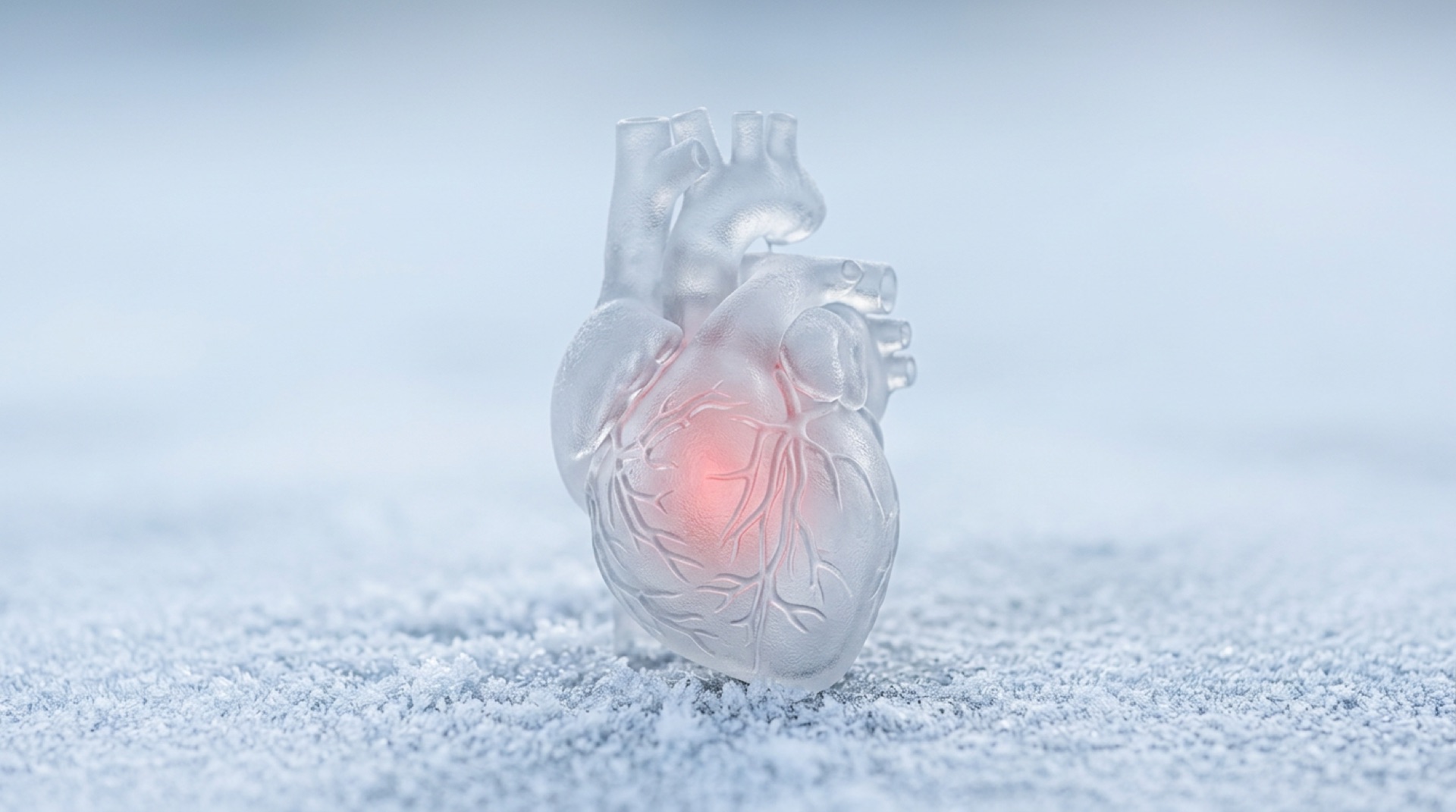
Your heart is a muscle with four chambers that pumps blood in two loops: the right side sends oxygen-poor blood to your lungs, and the left side sends oxygen-rich blood out to your body through the aorta. Valves keep the blood flowing one way, and an electrical signal from the heart's own pacemaker starts every beat. At rest, a normal heart beats 60 to 100 times a minute.
Key facts
- 4 chambers: two atria on top and two ventricles below.
- 4 valves keep the blood flowing in the right direction.
- 60–100 beats a minute is a normal heart rate at rest.
- 2 loops: to your lungs and back, then out to your body and back.
How it works, in 5 steps
1. Four chambers and four valves
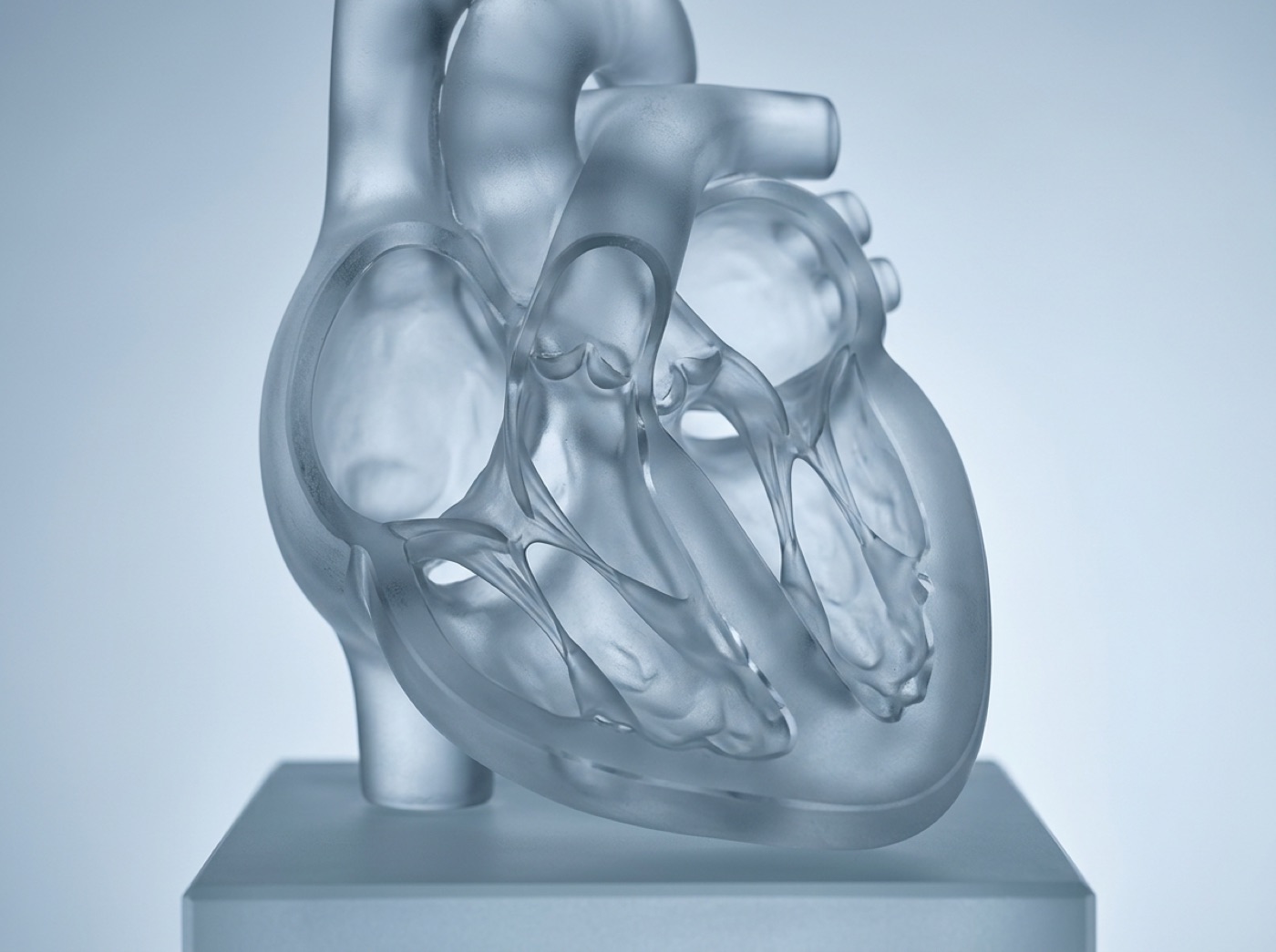
Your heart has two upper chambers, the right and left atria, and two lower chambers, the right and left ventricles. Four valves keep the blood flowing the right way: the tricuspid and mitral valves between the upper and lower chambers, and the pulmonary and aortic valves where the blood leaves the heart.
2. The right side sends blood to the lungs
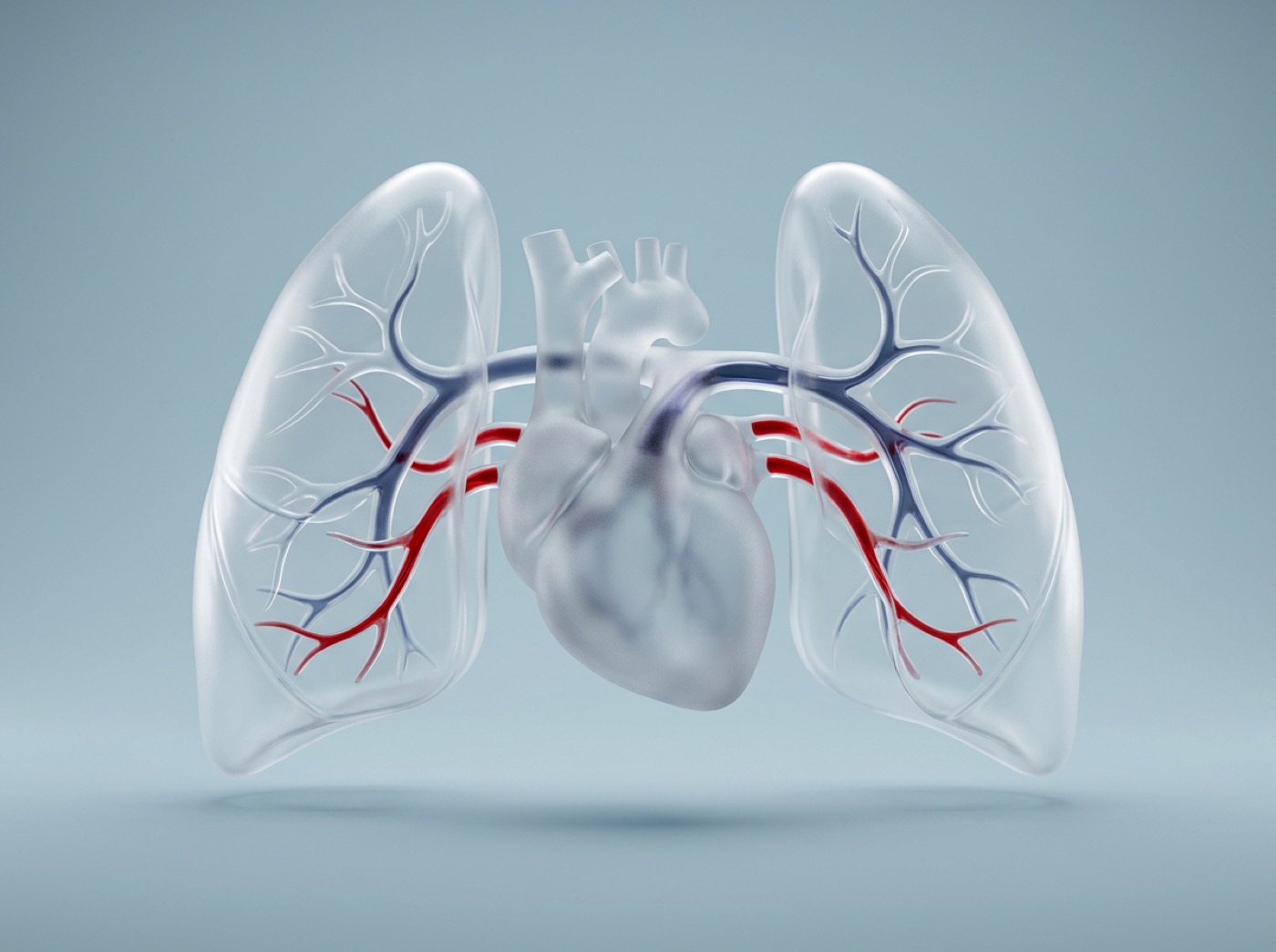
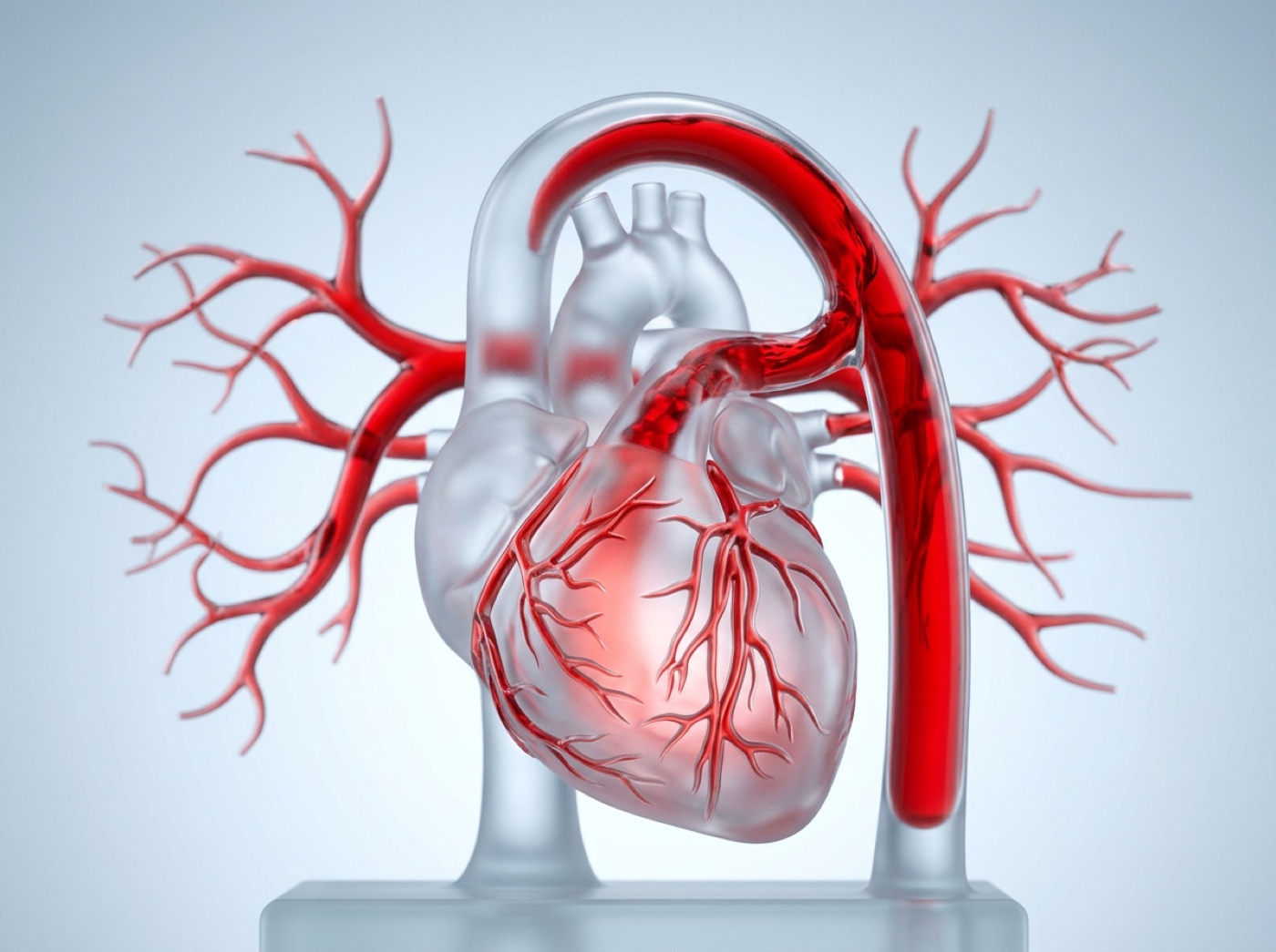
Oxygen-poor blood from your body enters the right atrium through two large veins, the superior and inferior vena cava. It moves down to the right ventricle, which pumps it through the pulmonary artery to your lungs. There it picks up oxygen and gives up carbon dioxide, which you breathe out.
3. The left side sends it to the body
Oxygen-rich blood comes back from your lungs through the pulmonary veins into the left atrium, then down to the left ventricle. The left ventricle pumps it into the aorta, the large artery that carries it to the rest of your body.
4. Blood vessels reach every part of you
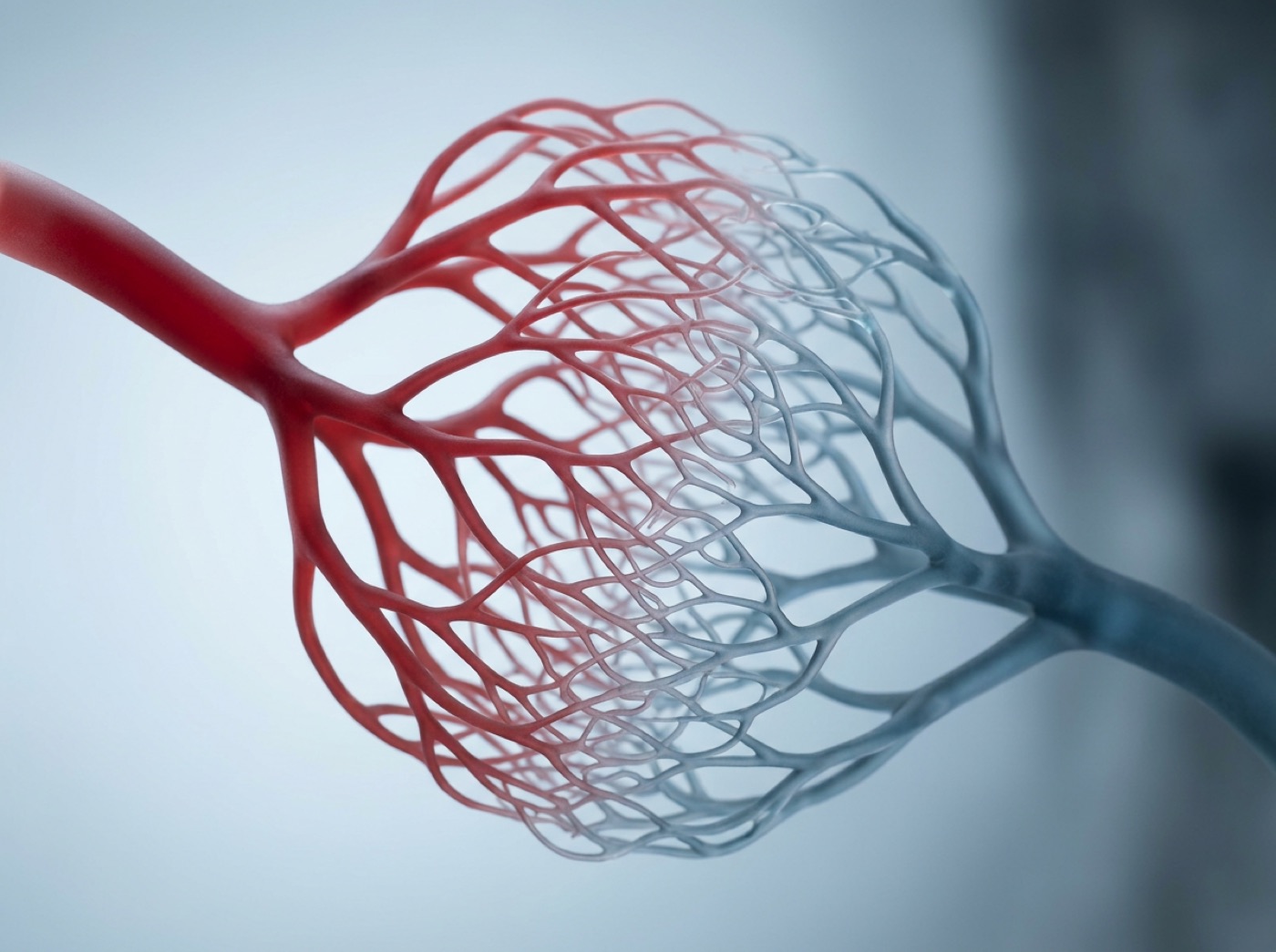
Arteries take blood away from your heart and veins bring it back. Together with a network of tiny capillaries, they carry blood to and from every part of your body, bringing your organs the oxygen and nutrients they need.
5. An electrical spark starts every beat
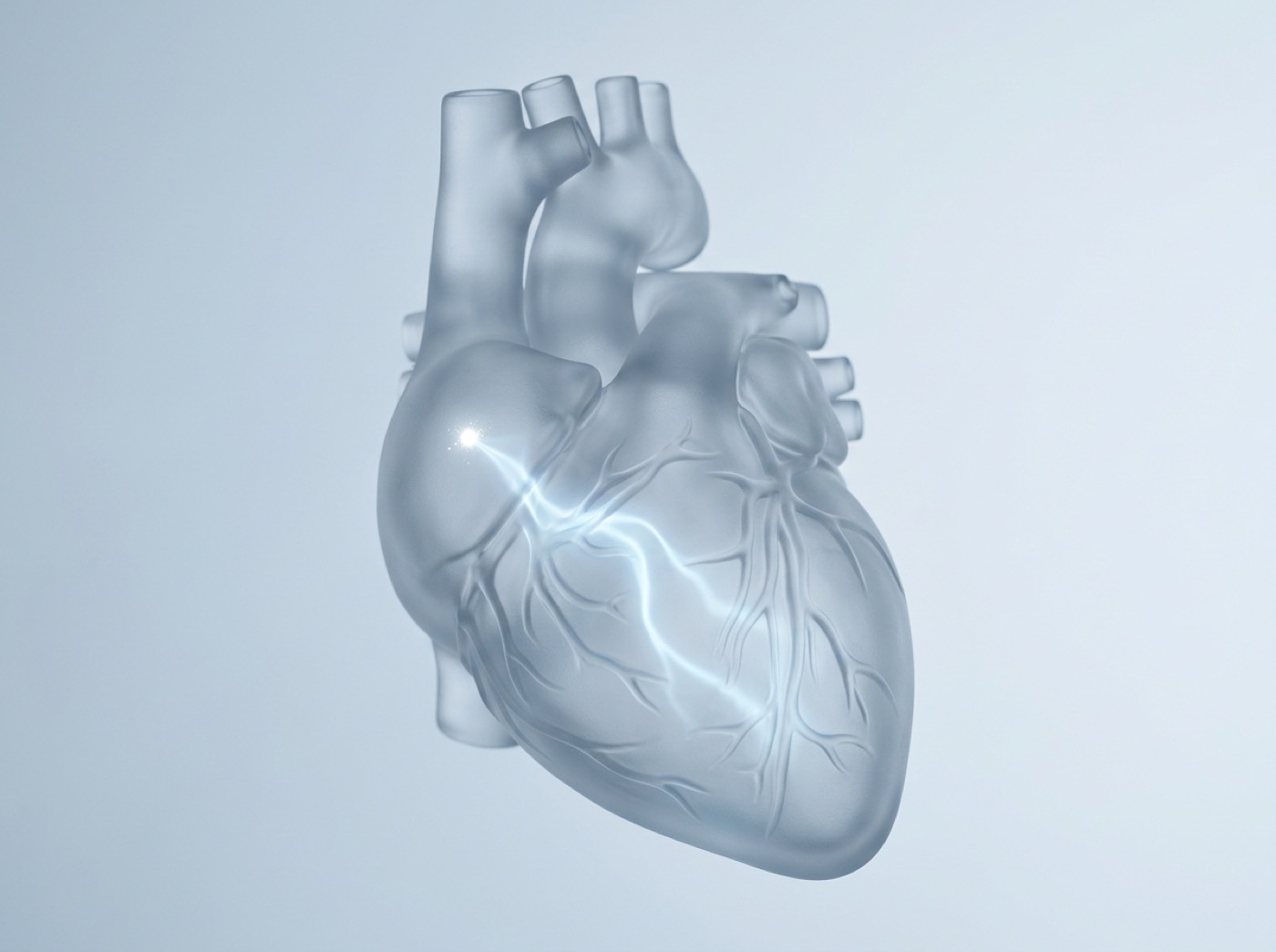
Each heartbeat starts in a group of pacemaker cells in the sinoatrial (SA) node, in the right atrium. The signal spreads through the atria, which push blood into the ventricles; the AV node slows it briefly so the ventricles can fill; then the ventricles contract and pump. The valves closing make the familiar "lub-DUB" sound.
Checking your pulse
Count the beats you feel at your wrist or neck for 30 seconds, then double the number. At rest, a normal heart rate is 60 to 100 beats a minute.
When chest pain or palpitations need help
See a doctor if you have chest pain that comes and goes, or chest pain that went away quickly but you are still worried. Get help the same day if you have heart palpitations together with shortness of breath.
Call 112 if you get sudden pain or discomfort in your chest that does not go away (it can feel like squeezing or pressure, burning or indigestion), pain that spreads to your arms, neck, jaw, stomach or back, or chest pain with sweating, feeling sick, light-headed or short of breath.
Frequently asked questions
How does the heart pump blood?
In two loops. The right side pumps oxygen-poor blood to your lungs; the left side pumps the oxygen-rich blood that comes back into the aorta and out to your body. Valves keep it flowing one way.
How many chambers does the heart have?
Four: two upper chambers (the atria) and two lower chambers (the ventricles).
What is a normal resting heart rate?
60 to 100 beats a minute. To check yours, count your pulse for 30 seconds and double it.
What makes the heart beat?
An electrical signal that starts in pacemaker cells in the sinoatrial (SA) node, in the right atrium, and spreads from the top of the heart to the bottom, making the chambers contract in turn.
When is chest pain an emergency?
Call 112 for sudden chest pain or discomfort that does not go away, pain that spreads to your arms, neck, jaw, stomach or back, or chest pain with sweating, feeling sick, light-headed or short of breath.
Sources
- NHLBI (NIH) — How the Heart Works
- NHLBI (NIH) — How Blood Flows through the Heart
- NHLBI (NIH) — How the Heart Beats
- NHS — Chest pain
- NHS — Shortness of breath
Written by Anpheros from the sources above and checked on 16 October 2026. General information, not medical advice: for your own health, talk to a doctor. In an emergency, call 112.