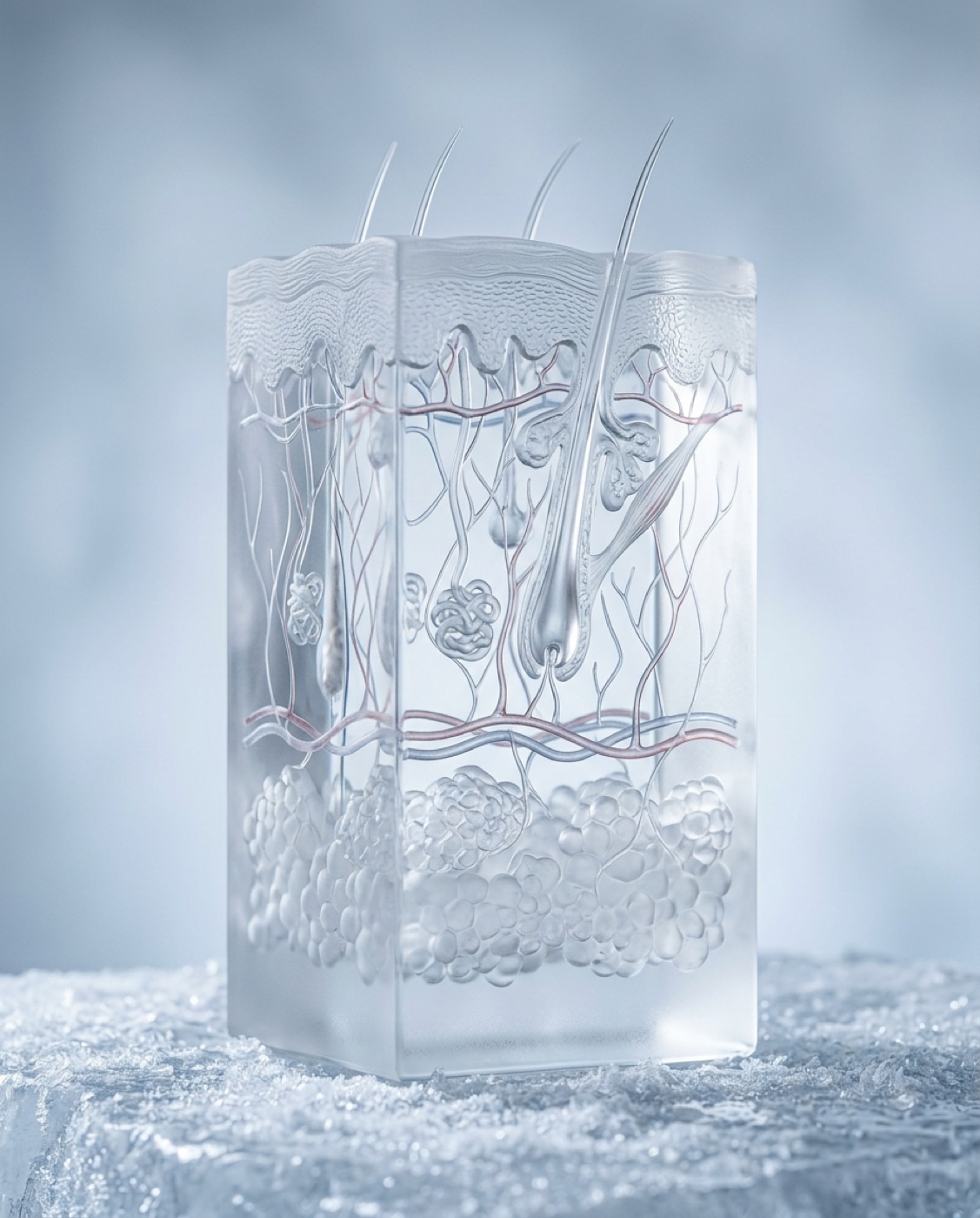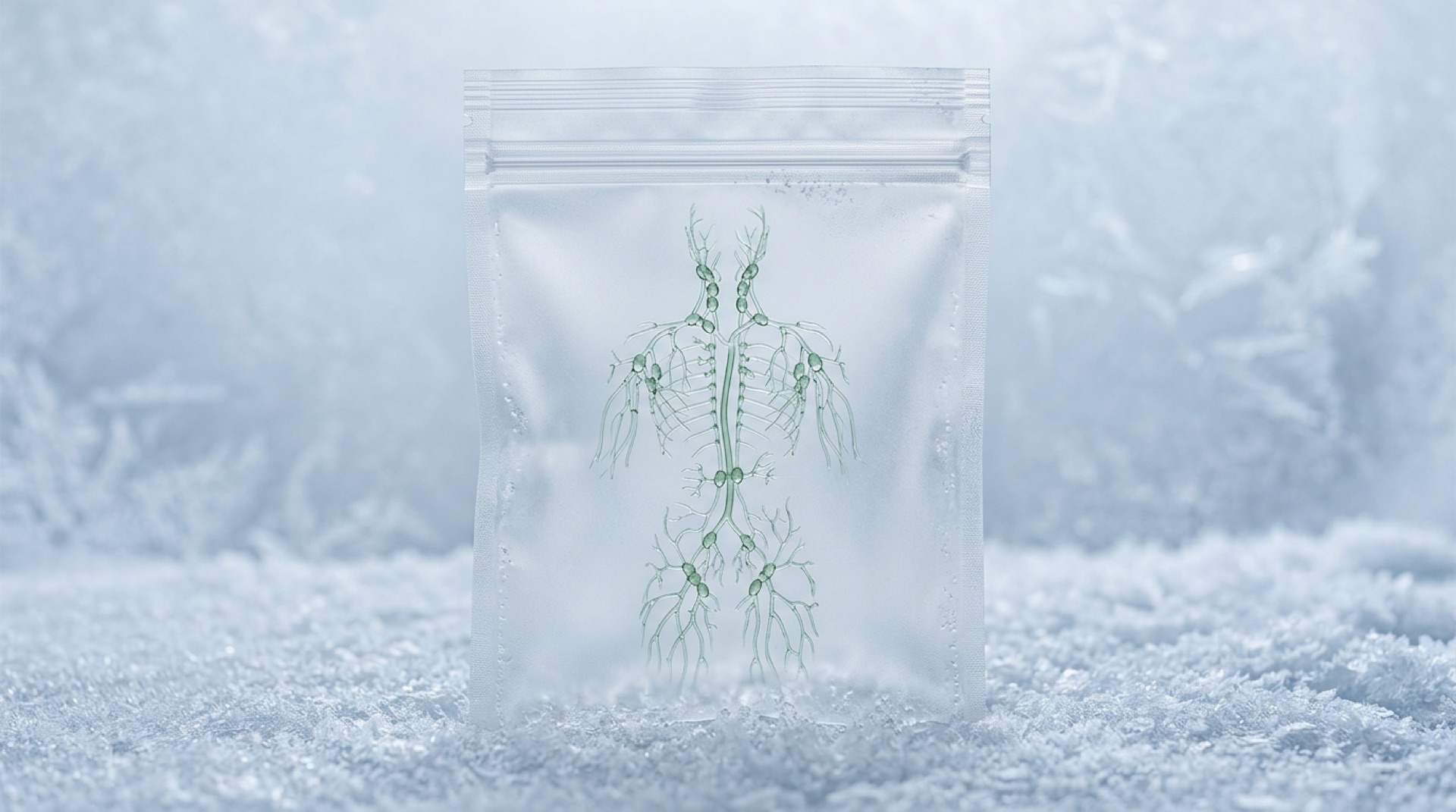
The lymphatic system is a network of vessels, lymph nodes and organs that collects the fluid left behind in your tissues, about 3 litres a day, filters it and returns it to your blood. It has no pump: your muscles and pulsing arteries keep it moving.
Key facts
- ≈ 3 L of fluid a day return from your tissues to your blood through the lymphatic system.
- ≈ 600 lymph nodes filter the lymph, with groups in the neck, armpits, chest, abdomen and groin.
- 0 pumps: muscles, pulsing arteries and one-way valves move the lymph.
- 2 ducts empty it into the subclavian veins, just under your collarbones.
How it works, in 5 steps
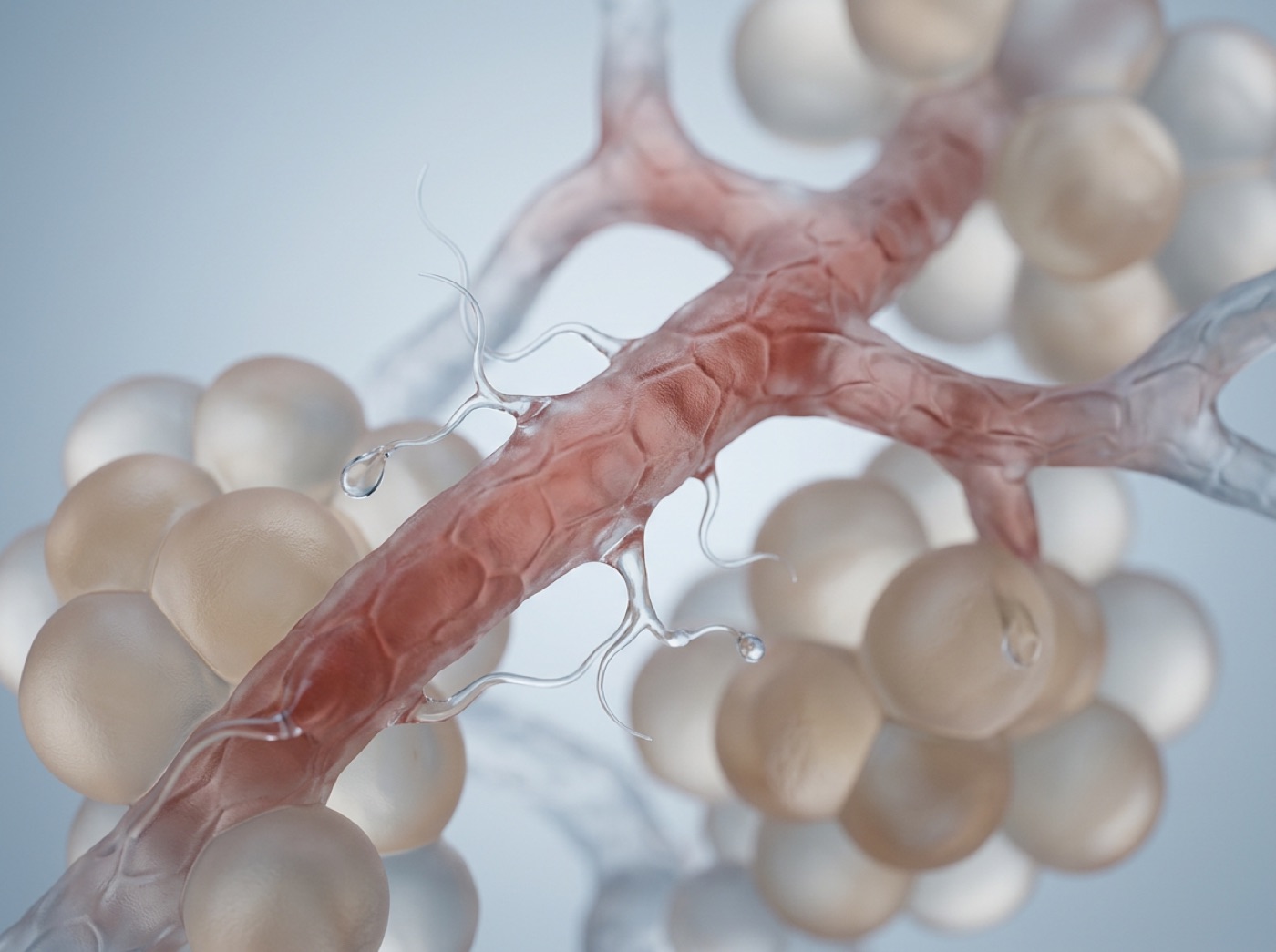
1. Fluid leaks out of the blood
Plasma seeps out of your tiniest blood vessels and bathes the cells around them, bringing them what they need. Most of it goes back into the blood, but about 3 litres a day stay behind in the tissues.
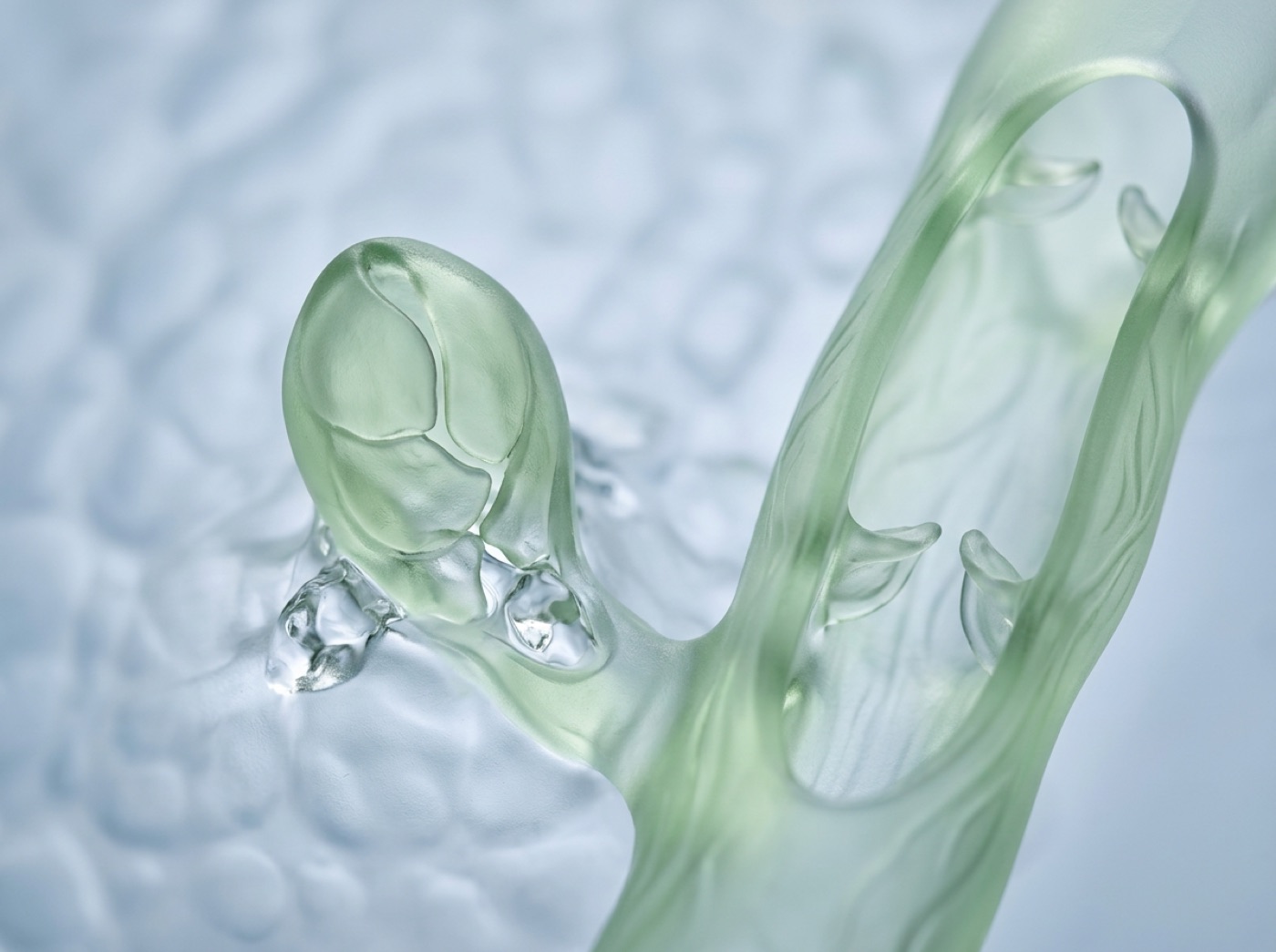
2. Lymph vessels collect it
Tiny lymphatic capillaries, with loose overlapping cells at their tips, let that fluid in. From here on it is called lymph. One-way valves along the vessels keep it moving in one direction.
3. Lymph nodes filter it
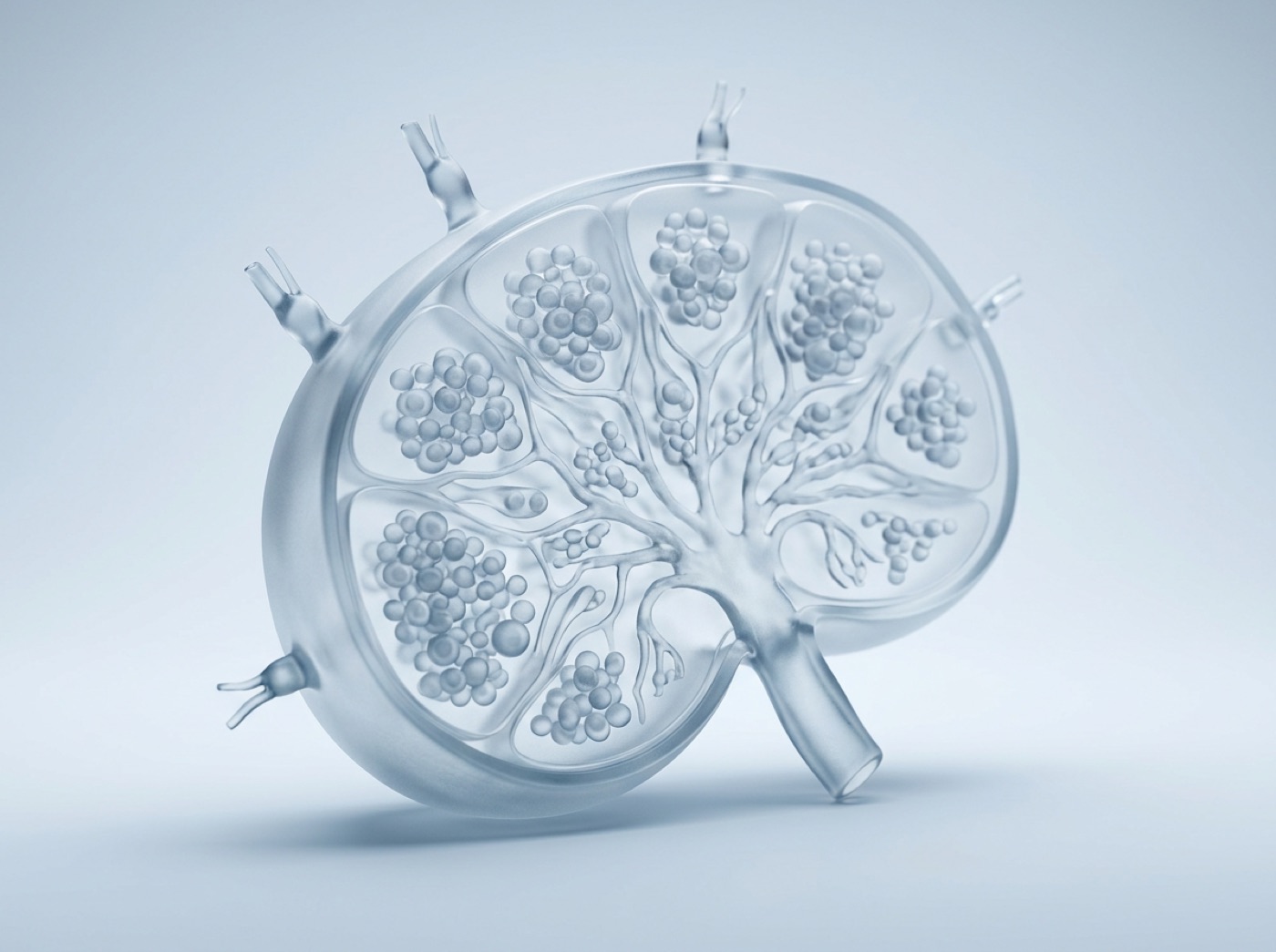
Lymph flows through bean-shaped lymph nodes, about 600 of them, where immune cells catch germs and damaged cells. This is why the nodes near an infection swell.
4. It goes back into the blood
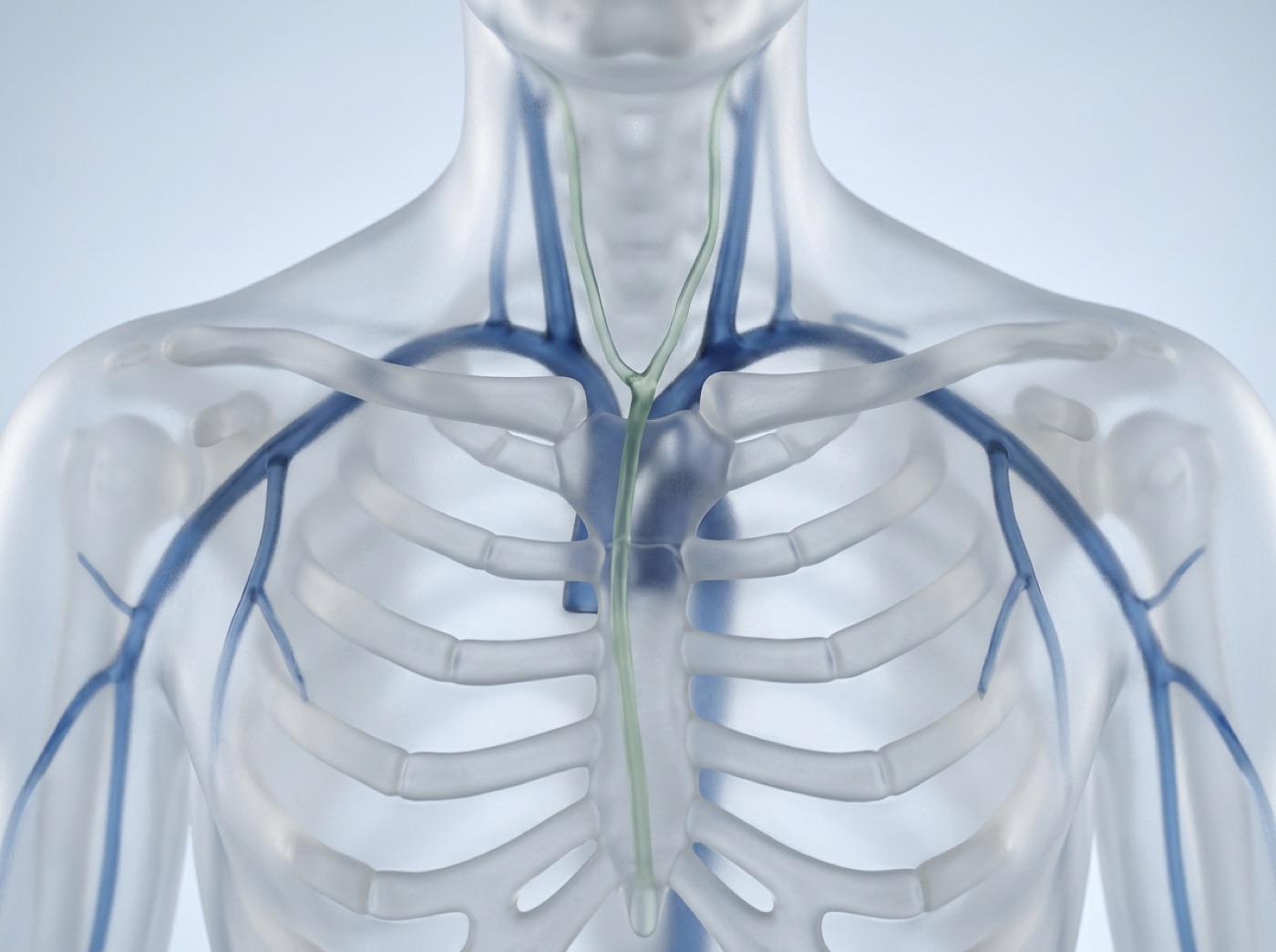
Two ducts in the upper chest, the thoracic duct and the right lymphatic duct, empty the lymph into the subclavian veins, the large veins under your collarbones. From there it is part of your blood again.
5. Movement keeps it flowing
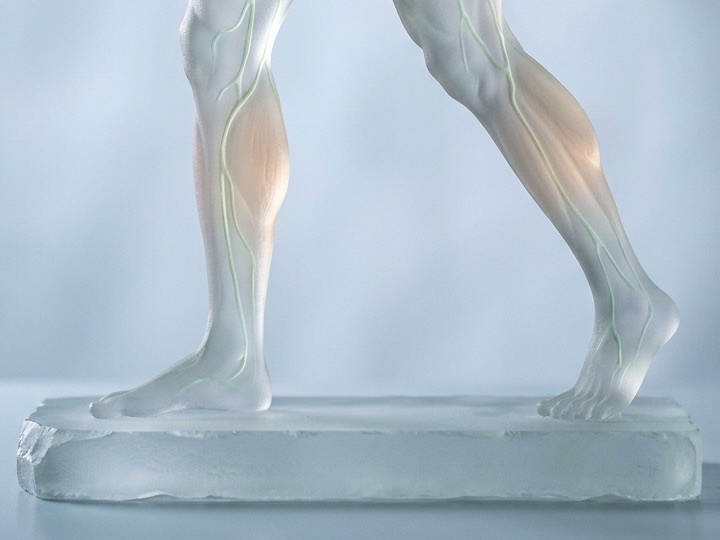
There is no heart for lymph. The squeezing of your muscles as you move and the pulsing of nearby arteries push it along, and the valves stop it from flowing back.
What the lymphatic system is made of
Besides the lymph vessels and the lymph nodes, the lymphatic system includes the bone marrow, where immune cells are made, the thymus, where some of them mature, the spleen, which filters the blood, and patches of lymphoid tissue in the lining of the gut and airways (mucosa-associated lymphoid tissue, or MALT).
When swollen glands need a doctor
Swollen glands usually go down within 1 to 2 weeks, depending on the cause. See a doctor if they:
- keep getting bigger, or have not gone down within a week
- feel hard, or do not move when you press them
- come with night sweats or a very high temperature
- appear with no other sign of illness or infection
- are just above or below your collarbone
Get urgent help (112 in the EU) if you find it very hard to swallow or to breathe.
Frequently asked questions
Does the lymphatic system have a pump?
No. Unlike blood, lymph has no heart pushing it. The squeezing of nearby muscles and the pulsing of nearby arteries move it along, and one-way valves in the vessels keep it flowing in one direction.
How many lymph nodes do you have?
About 600, spread through the body, with groups in the neck, armpits, chest, abdomen and groin.
What is lymph?
The fluid that leaks out of your blood vessels into your tissues, once it has entered a lymph vessel. It carries water, proteins, fats from the gut, and immune cells.
Where does lymph go back into the blood?
Into the subclavian veins, the large veins under your collarbones, through two ducts in the upper chest: the thoracic duct and the right lymphatic duct.
Why do lymph nodes swell?
Usually because they are fighting an infection nearby, such as a cold or a sore throat, and they go down within 1 to 2 weeks. Nodes that stay swollen, feel hard or come with night sweats or fever should be checked by a doctor.
Sources
Written by Anpheros from the sources above and checked on 16 October 2026. General information, not medical advice: for your own health, talk to a doctor. In an emergency, call 112.