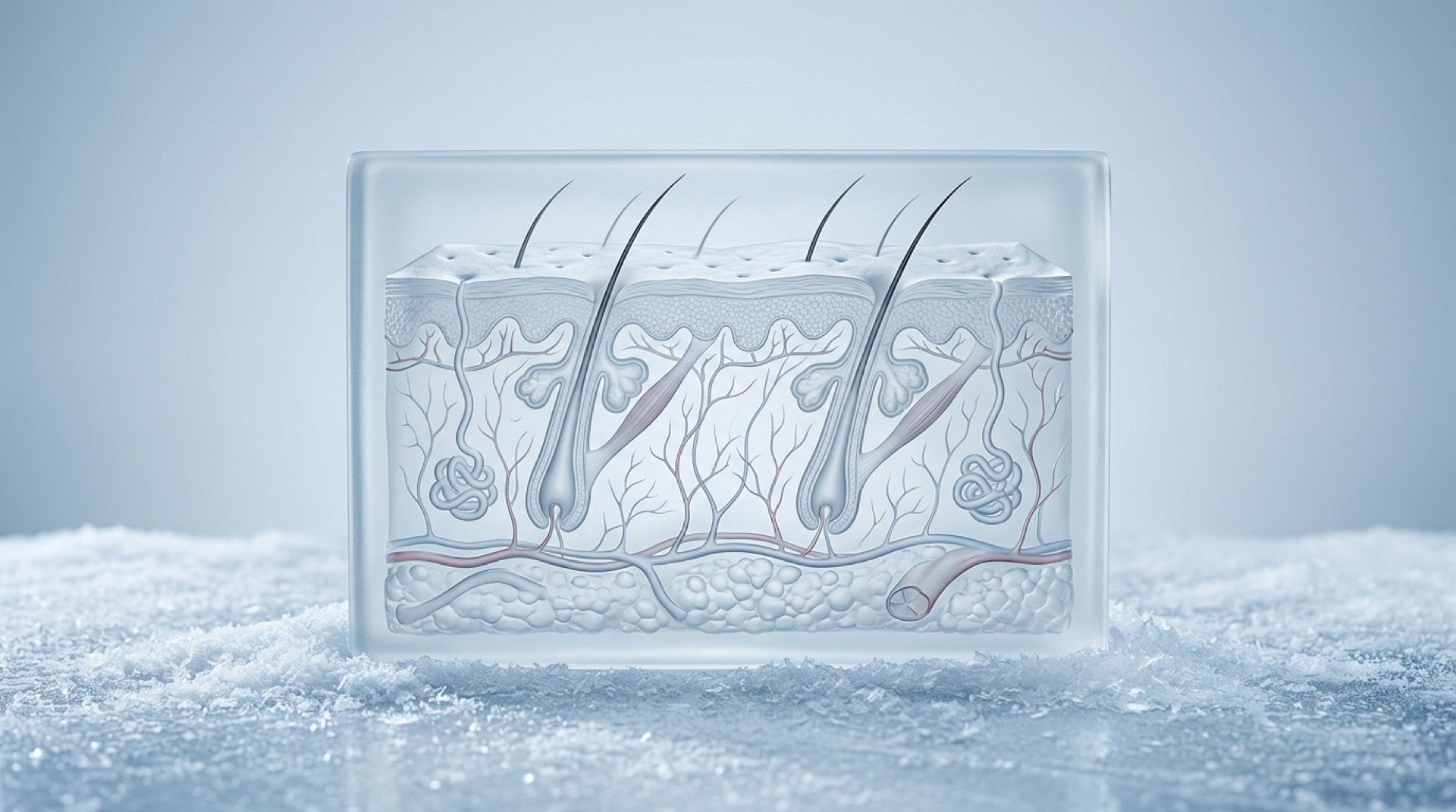
Your skin is your body's largest organ. Its three layers protect you from germs, help keep your body at the right temperature and let you feel touch. The top layer keeps making new cells: you shed about 40,000 old skin cells a day and have new skin about every 30 days.
Key facts
- 3 layers make up your skin: the epidermis, the dermis and the hypodermis.
- 90% of the skin's thickness is the dermis, the middle layer.
- ≈ 40,000 old skin cells are shed every day.
- ≈ 30 days is about how often you have new skin.
How it works, in 5 steps
1. The top layer keeps germs out
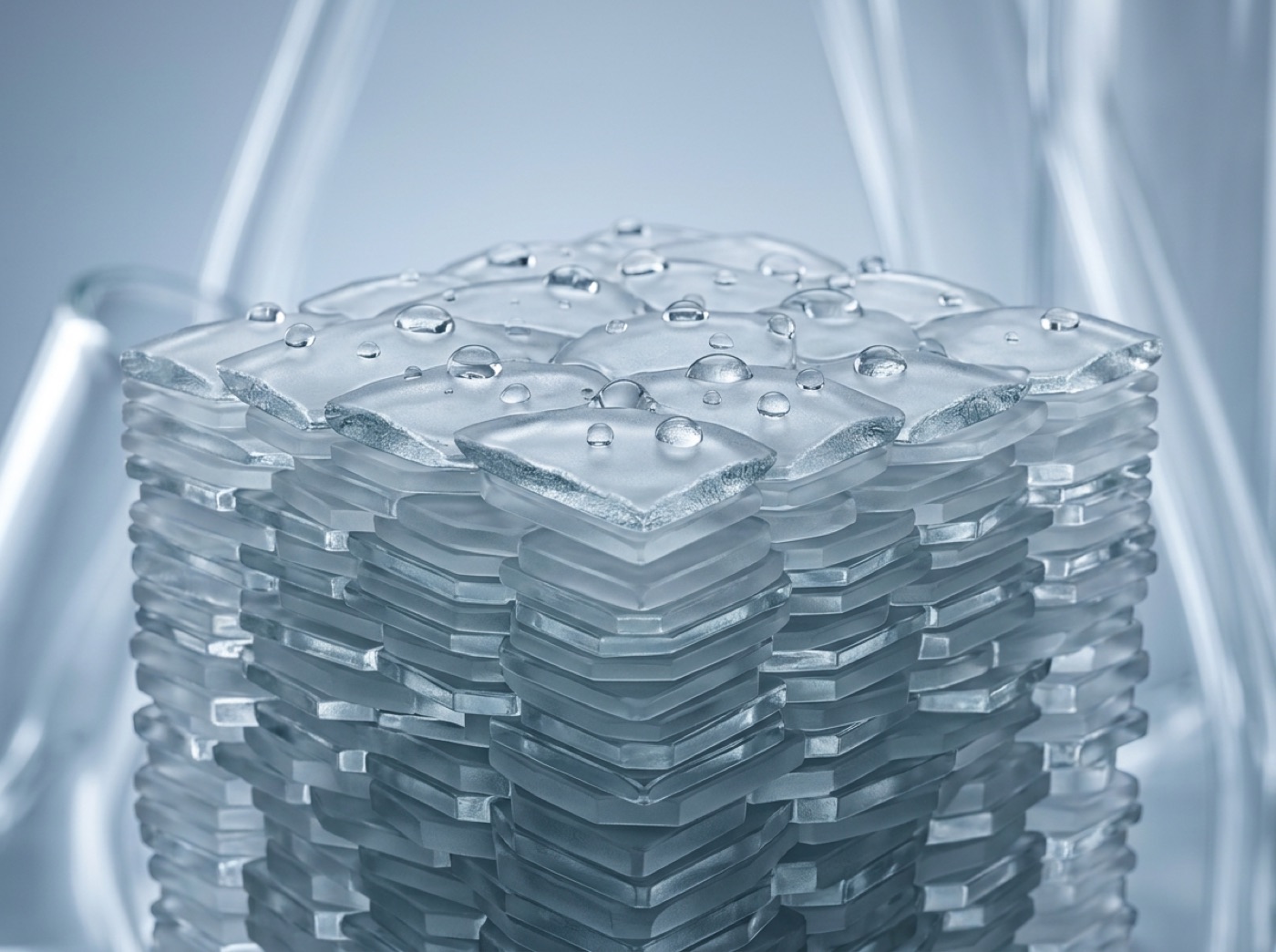
The epidermis, the top layer, is your body's outer wall. It contains keratin, a tough protein, and Langerhans cells, which are part of your immune system, and it protects you from germs.
2. It renews itself all the time
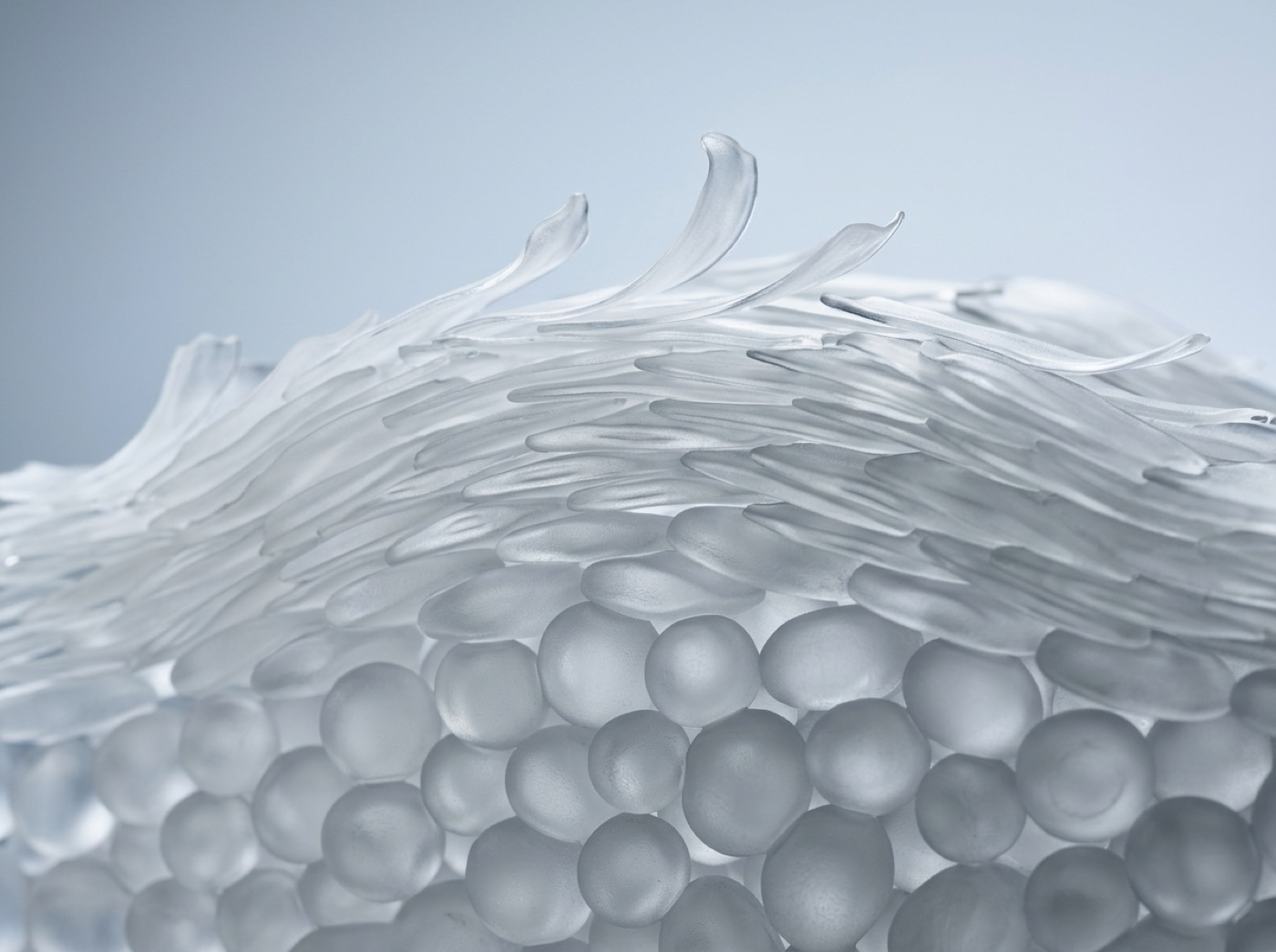
The epidermis continually makes new skin cells. Old ones are shed from the surface, about 40,000 of them a day, and you have new skin about every 30 days.
3. Colour and sunlight
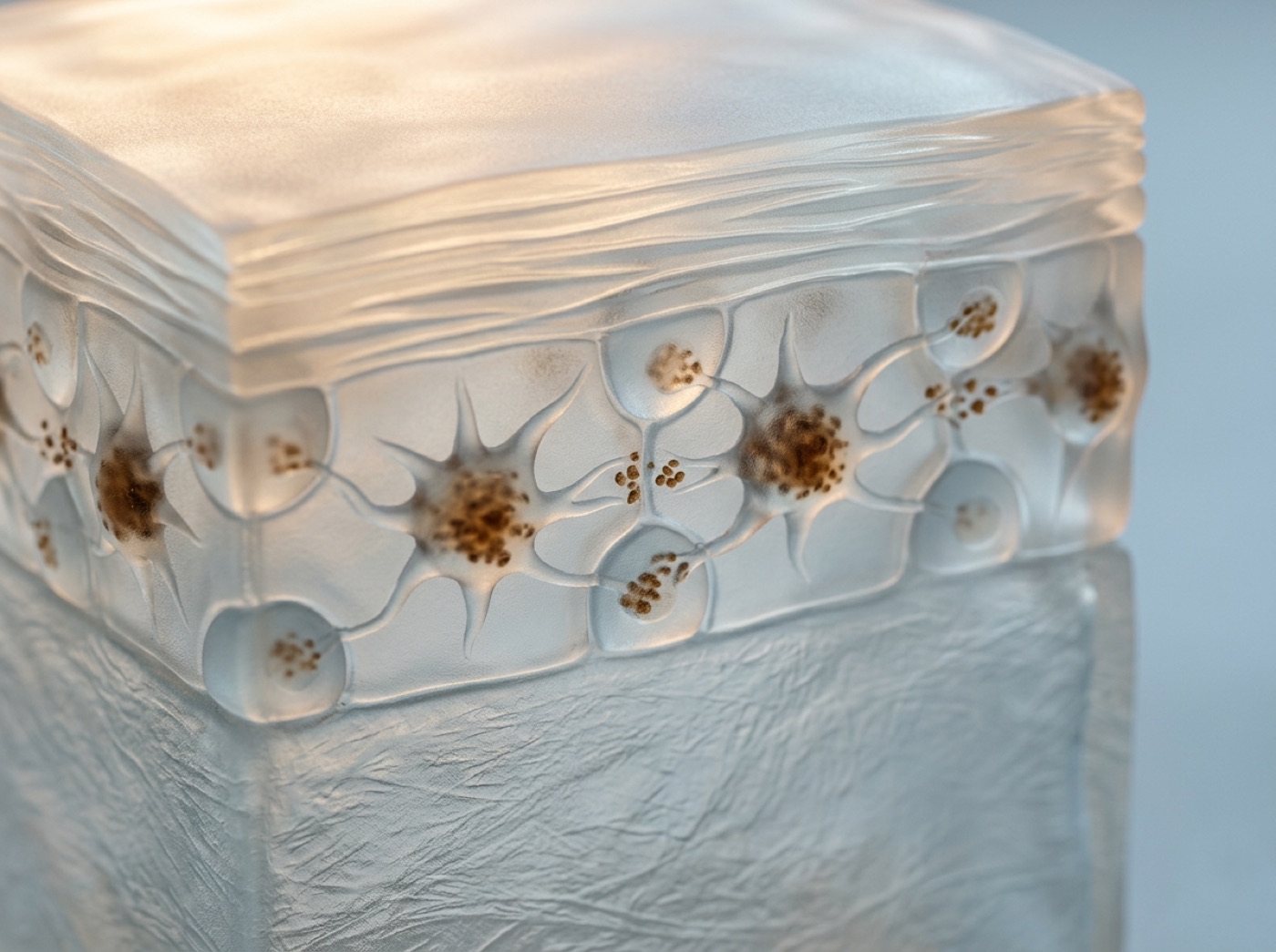
Cells called melanocytes make melanin, the pigment that gives your skin, hair and eyes their colour; how much you have decides how dark they are. Direct sunlight on your skin also lets your body make vitamin D, which helps keep your bones, teeth and muscles healthy.
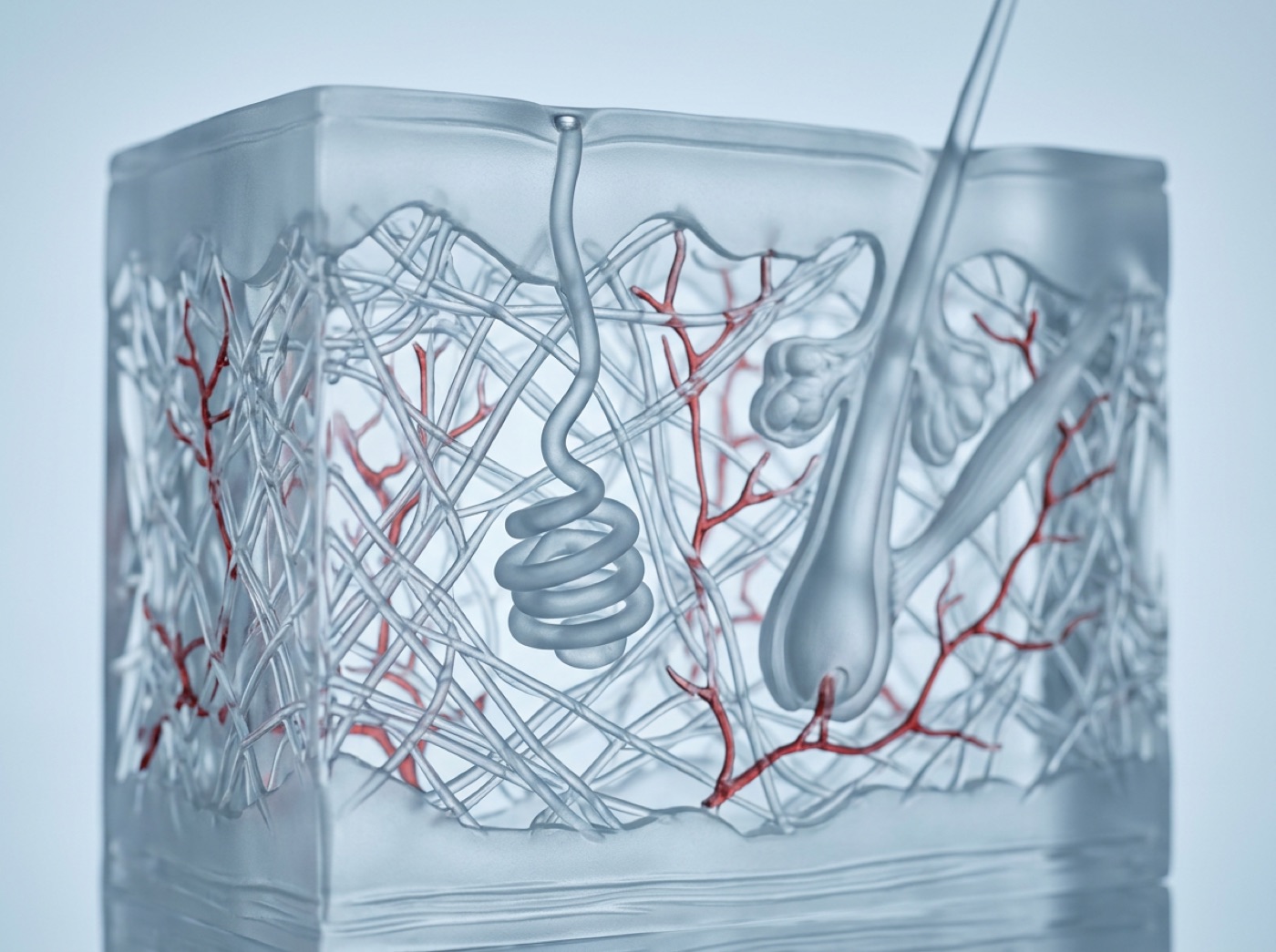
4. The middle layer does the work
The dermis makes up 90% of your skin's thickness. It holds collagen and elastin, the roots of your hairs, oil and sweat glands, blood vessels and nerve receptors. Underneath it, the fatty hypodermis cushions your muscles and bones, connects your skin to them and helps keep your body at the right temperature.
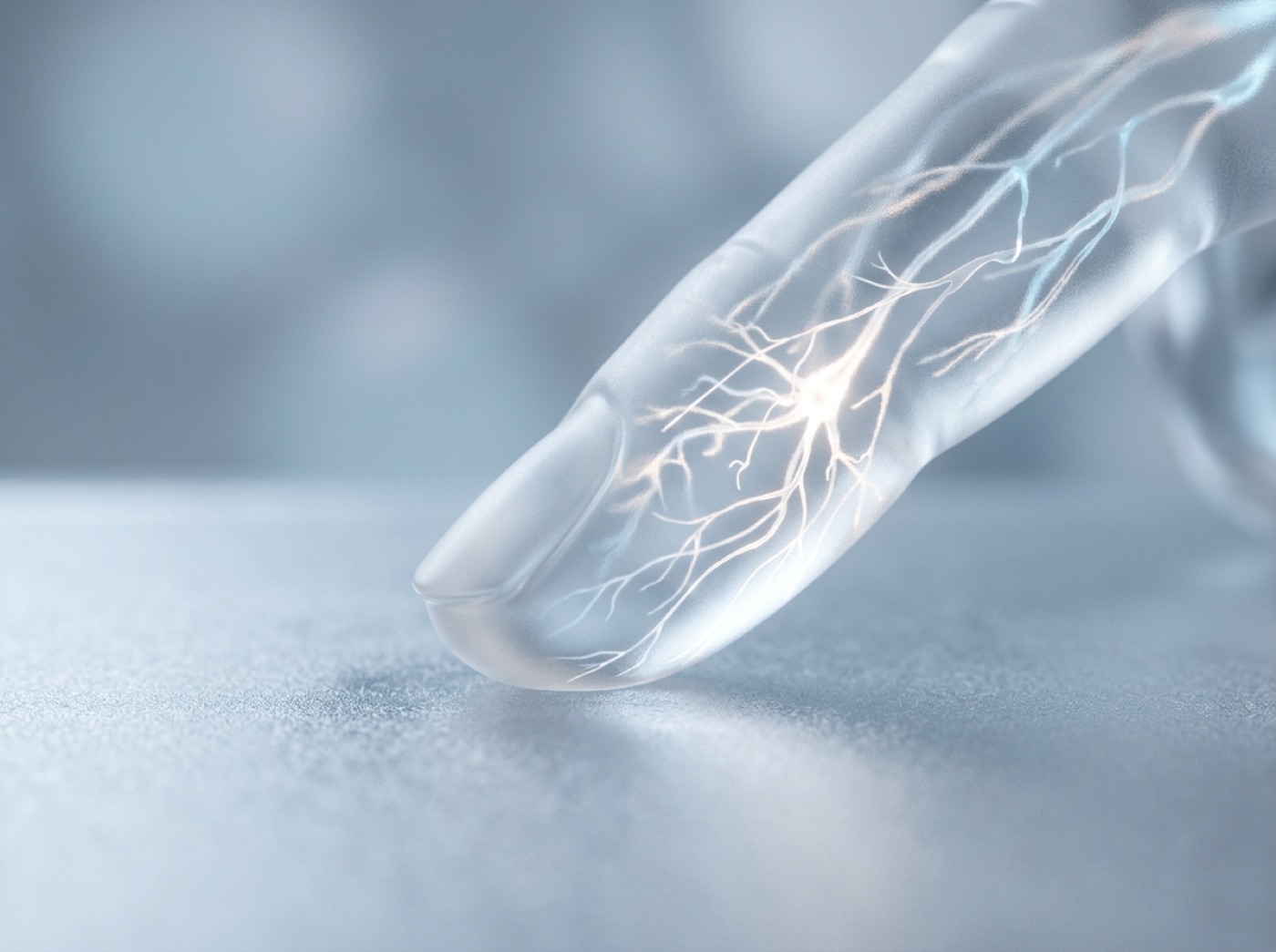
5. It lets you feel the world
Nerve receptors in your skin let you feel touch. One inch of skin holds about 19 million skin cells, 1,000 nerve endings and 20 blood vessels.
When a mole or a rash needs a doctor
See a doctor about a mole that:
- has changed in size, shape or colour
- is painful, itchy, inflamed, bleeding or crusty
- has an uneven shape, a mix of 2 or more colours, or is more than 6mm wide
Also see a doctor about a new or unusual mark on your skin that has not gone away after a few weeks, including on the palms or soles, or a dark area under a nail that was not caused by an injury.
Call 112 if someone has a rash that does not fade when you press the side of a clear glass firmly against it, especially if they also feel very unwell: it can be a sign of meningitis.
Frequently asked questions
What is the largest organ of the body?
The skin. It protects you from germs, helps keep your body at the right temperature and lets you feel touch.
What are the layers of the skin?
Three: the epidermis on top, which protects you and keeps making new cells; the dermis in the middle, which holds collagen, hair roots, glands, blood vessels and nerves; and the fatty hypodermis at the bottom, which cushions and insulates.
How often does your skin renew itself?
The top layer makes new cells all the time. You shed about 40,000 old skin cells a day and have new skin about every 30 days.
What gives skin its colour?
Melanin, a pigment made by cells called melanocytes. The amount of melanin decides the colour of your skin, hair and eyes.
What is the glass test for a rash?
Press the side of a clear glass firmly against the rash. If it does not fade, it can be a sign of meningitis: call 112 straight away.
Sources
Written by Anpheros from the sources above and checked on 16 October 2026. General information, not medical advice: for your own health, talk to a doctor. In an emergency, call 112.