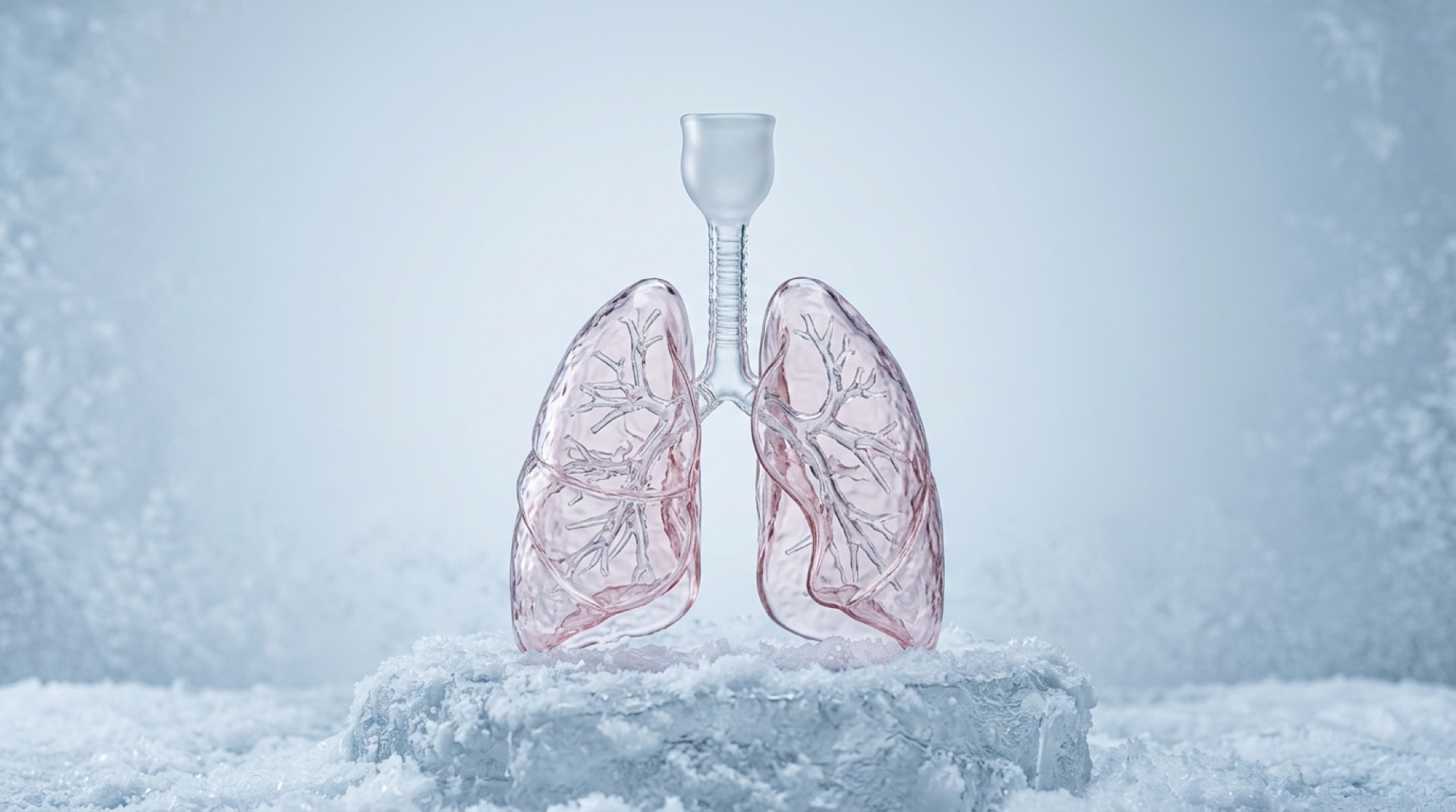
Each breath carries air down your windpipe and through branching airways into about 150 million tiny air sacs in your lungs. There, oxygen passes into your blood and carbon dioxide, a waste gas, passes out to be breathed away. Your diaphragm does most of the work, and sensors in your airways can set off a cough when something irritates them.
Key facts
- ≈ 150 million tiny air sacs, called alveoli, fill your lungs.
- 1 main breathing muscle: the diaphragm.
- 2 bronchial tubes branch off your windpipe and divide into thousands of thinner tubes.
- 3–4 weeks is how long a cough usually takes to clear up on its own.
How it works, in 5 steps
1. Your diaphragm pulls air in
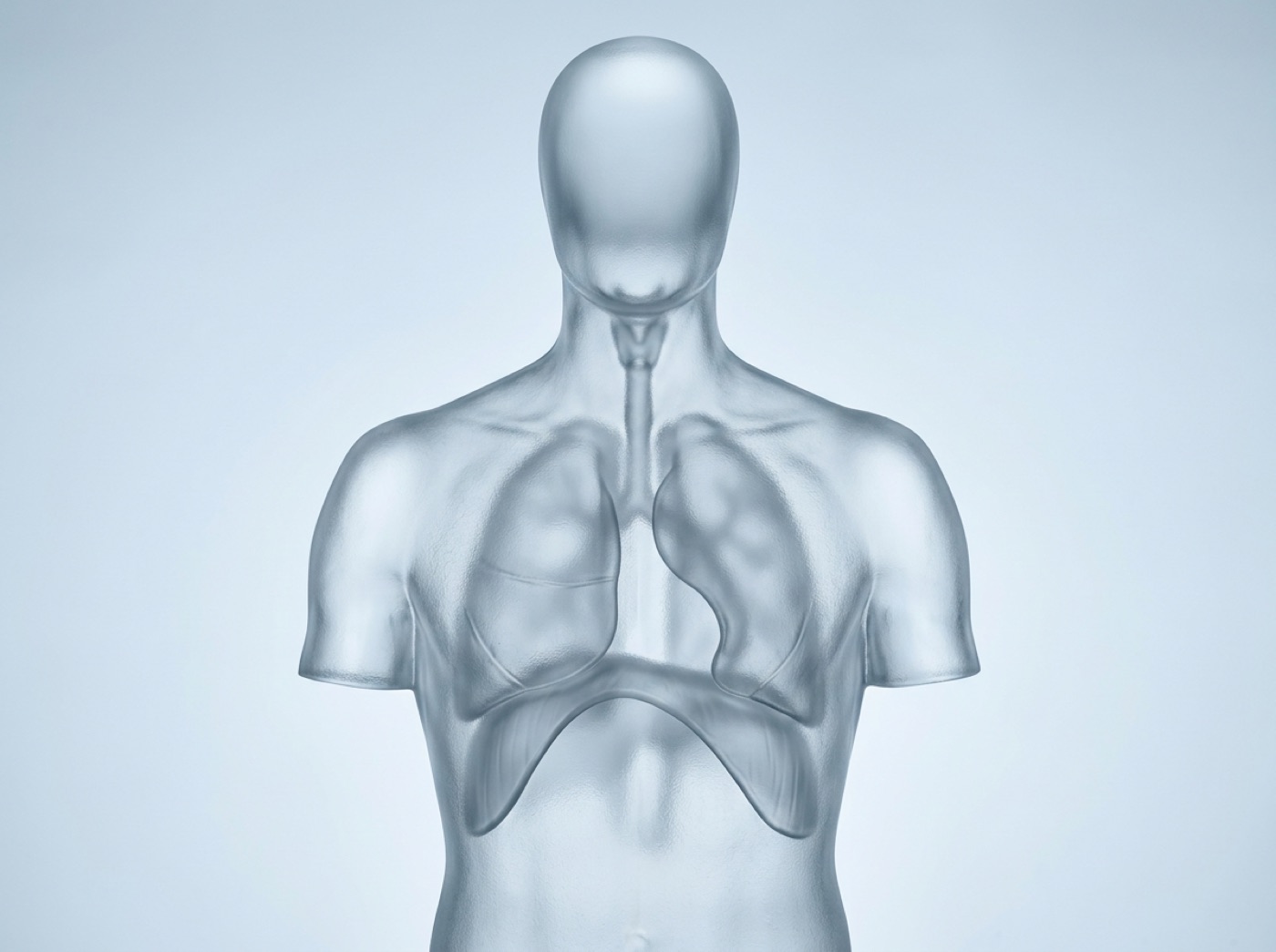
The diaphragm is your main breathing muscle. When you breathe in, muscles in your chest and abdomen tighten to create a slight vacuum around your lungs, and air flows in. When they relax, your lungs deflate on their own, like a balloon left open.
2. Air travels down the airways
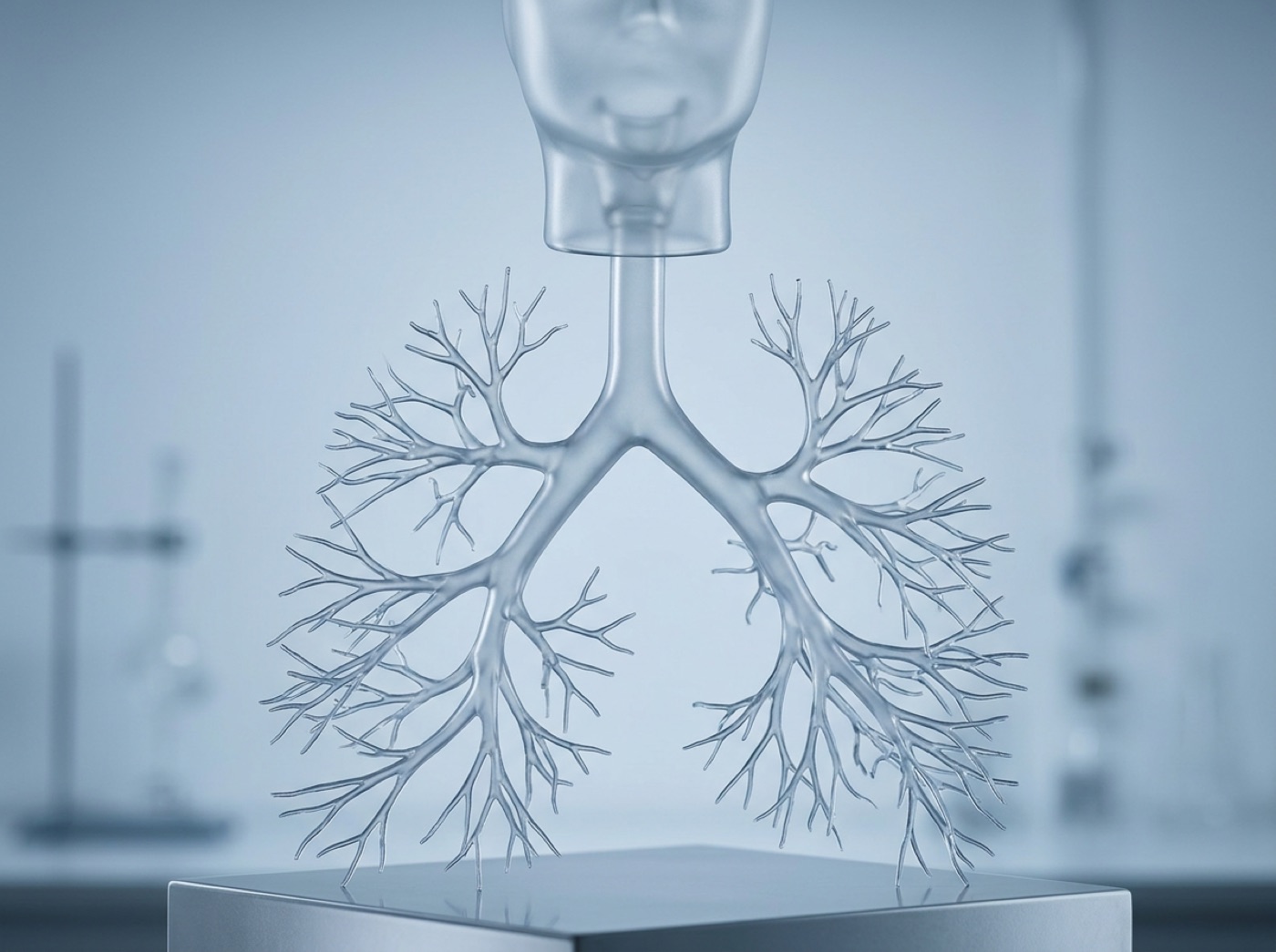
Air passes your voice box and goes down your windpipe, the trachea. It then splits into two bronchial tubes, the bronchi, which branch inside your lungs into thousands of thinner tubes called bronchioles.

3. It reaches the air sacs
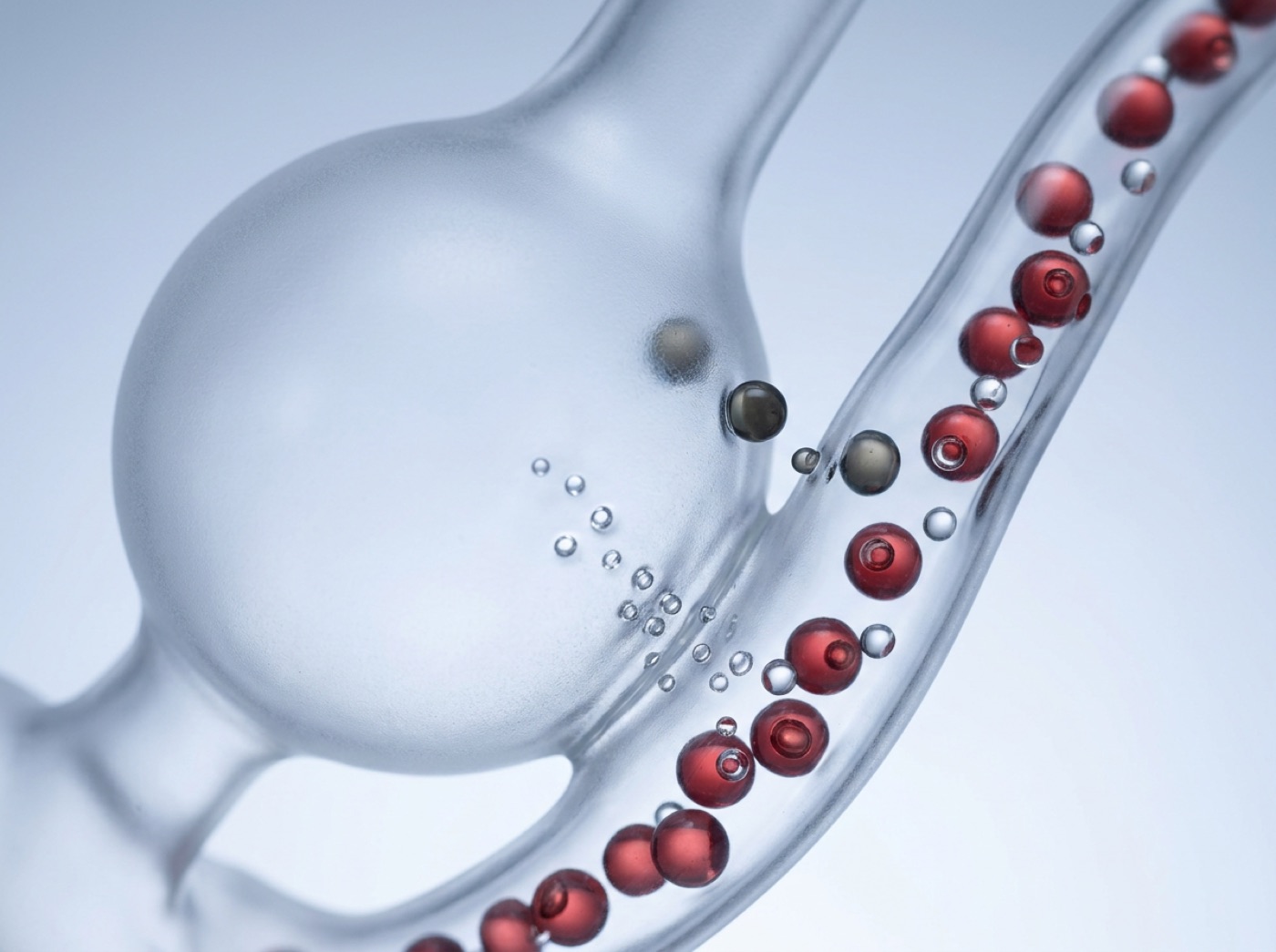
The airways end in about 150 million alveoli, tiny air sacs. Each one is made up of a mesh of tiny blood vessels called capillaries.
4. Oxygen in, carbon dioxide out
In the alveoli, oxygen moves from the air into the blood in the capillaries. At the same time, carbon dioxide, a waste gas, moves from the blood into the air, and you breathe it out. This is called gas exchange.
5. Your body sets the pace, and coughs
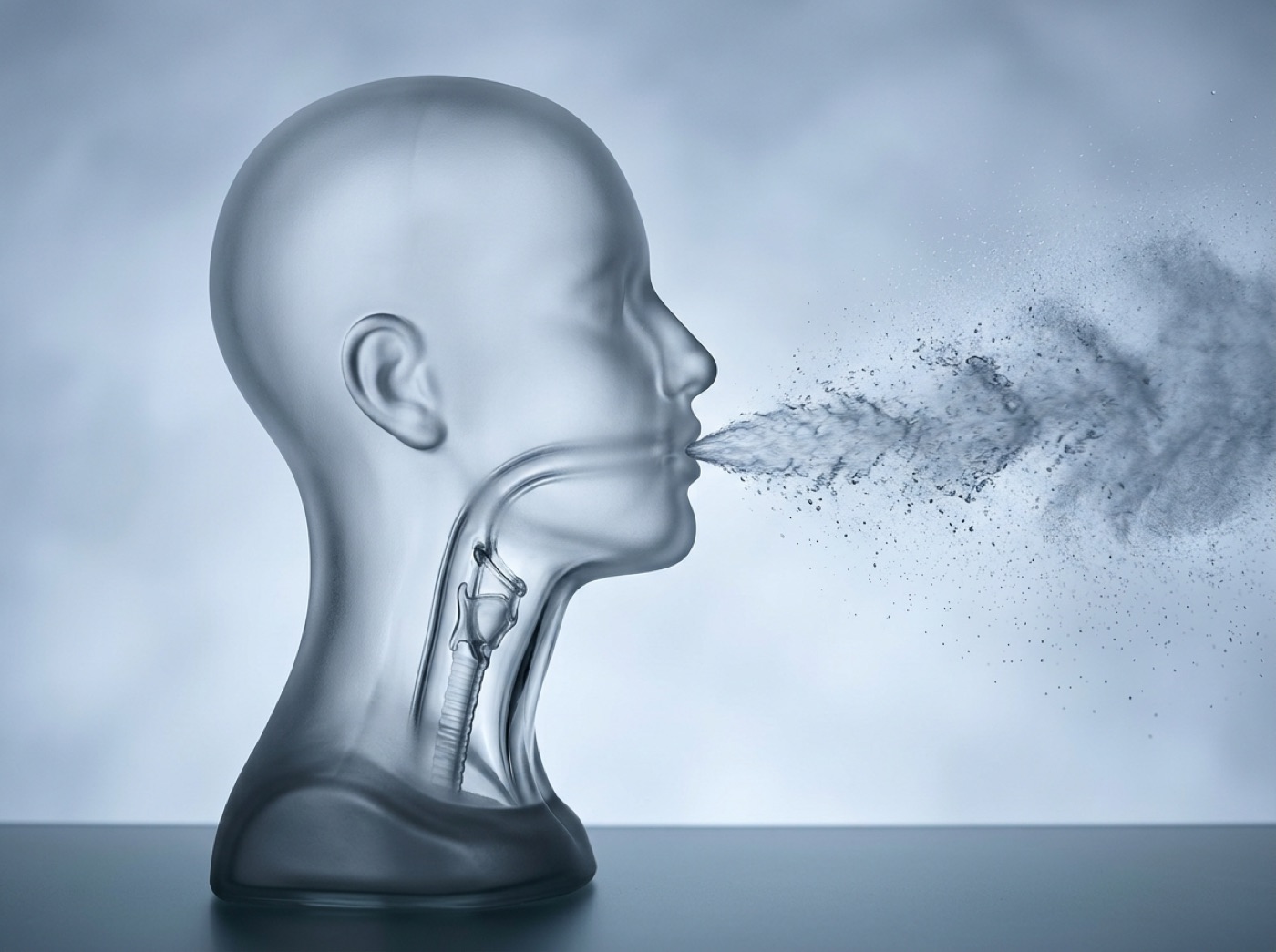
Breathing is mostly automatic: sensors in your body send signals to breathing centres in your brain, which speed it up or slow it down. Sensors in your airways can also detect things that irritate them and set off a cough or a sneeze.
When a cough or breathlessness needs a doctor
See a doctor if:
- you have had a cough for more than 3 weeks
- you are losing weight for no reason
- you have a weakened immune system, for example because of chemotherapy or diabetes
- your shortness of breath gets worse during your normal activities or when you lie down
- you feel short of breath and have swollen ankles
Get help the same day if your cough is very bad or quickly gets worse, you feel very unwell, you have chest pain, the side of your neck feels swollen and painful, you find it hard to breathe, or you are coughing up blood.
Call 112 if you have severe difficulty breathing (gasping, choking or not able to get words out), your chest feels tight or heavy, pain spreads to your arms, back, neck and jaw, your lips or skin are turning very pale, blue or grey, or you suddenly feel confused.
Frequently asked questions
How do the lungs work?
Air travels down your windpipe and through branching airways into about 150 million tiny air sacs. There, oxygen moves into your blood and carbon dioxide moves out to be breathed away.
What does the diaphragm do?
It is your main breathing muscle. With the muscles of your chest and abdomen, it creates a slight vacuum around your lungs so that air flows in; when they relax, your lungs deflate on their own.
What is gas exchange?
The swap that happens in the tiny air sacs of your lungs: oxygen moves from the air into your blood, and carbon dioxide moves from your blood into the air to be breathed out.
Why do we cough?
Sensors in your airways detect things that irritate them and can set off a cough or a sneeze.
How long does a cough last?
A cough usually clears up on its own within 3 to 4 weeks. See a doctor if it lasts longer than 3 weeks.
Sources
- NHLBI (NIH) — The Respiratory System
- NHLBI (NIH) — How Your Body Controls Breathing
- NHS — Cough
- NHS — Shortness of breath
Written by Anpheros from the sources above and checked on 16 October 2026. General information, not medical advice: for your own health, talk to a doctor. In an emergency, call 112.