
A migraine is a throbbing headache, often on one side of the head, that usually lasts between 4 hours and 3 days and often comes with feeling sick and sensitivity to light and sound. An attack can go through up to four phases, from early warning signs to a drained feeling afterwards.
Key facts
- 4–72 h is how long a migraine attack usually lasts.
- 4 phases an attack can go through: early warning signs, aura, headache and recovery. Not everyone has all of them.
- ≤ 1 h is how long aura symptoms should last. Longer needs urgent medical help.
- 12% of people in the United States have migraine, according to Cleveland Clinic.
What happens, phase by phase
1. Early warning signs
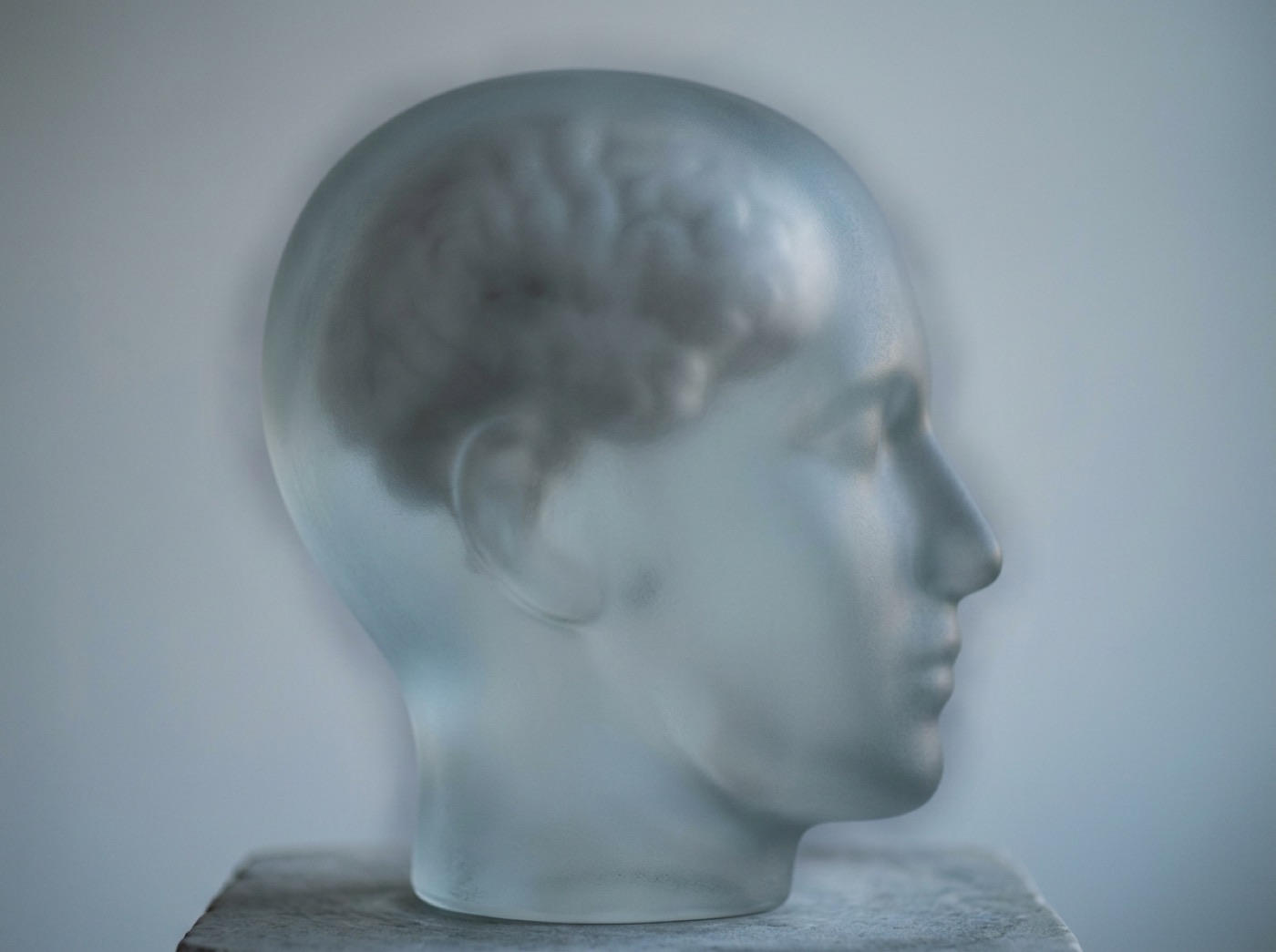
Hours, sometimes up to 2 days, before the pain starts, some people notice early symptoms such as tiredness. This first phase is called the prodrome, and the tiredness can last until after the headache is over.
2. The aura
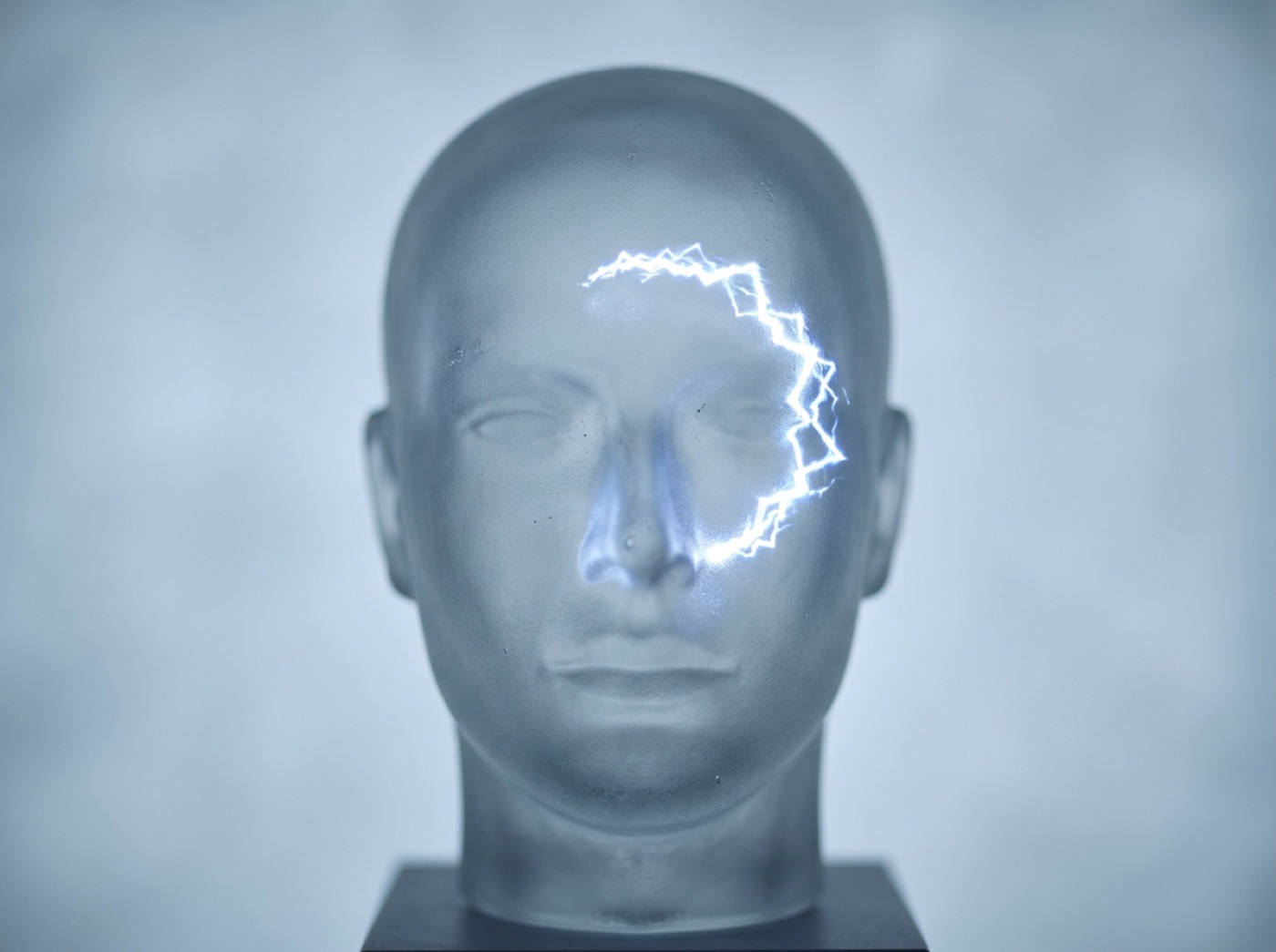
Some people get warning signs called an aura: problems with sight, such as zigzag lines or flashing lights, numbness or pins and needles, dizziness or difficulty speaking. An aura lasts from about 5 to 60 minutes and should not last longer than 1 hour.
3. Nerves send pain signals
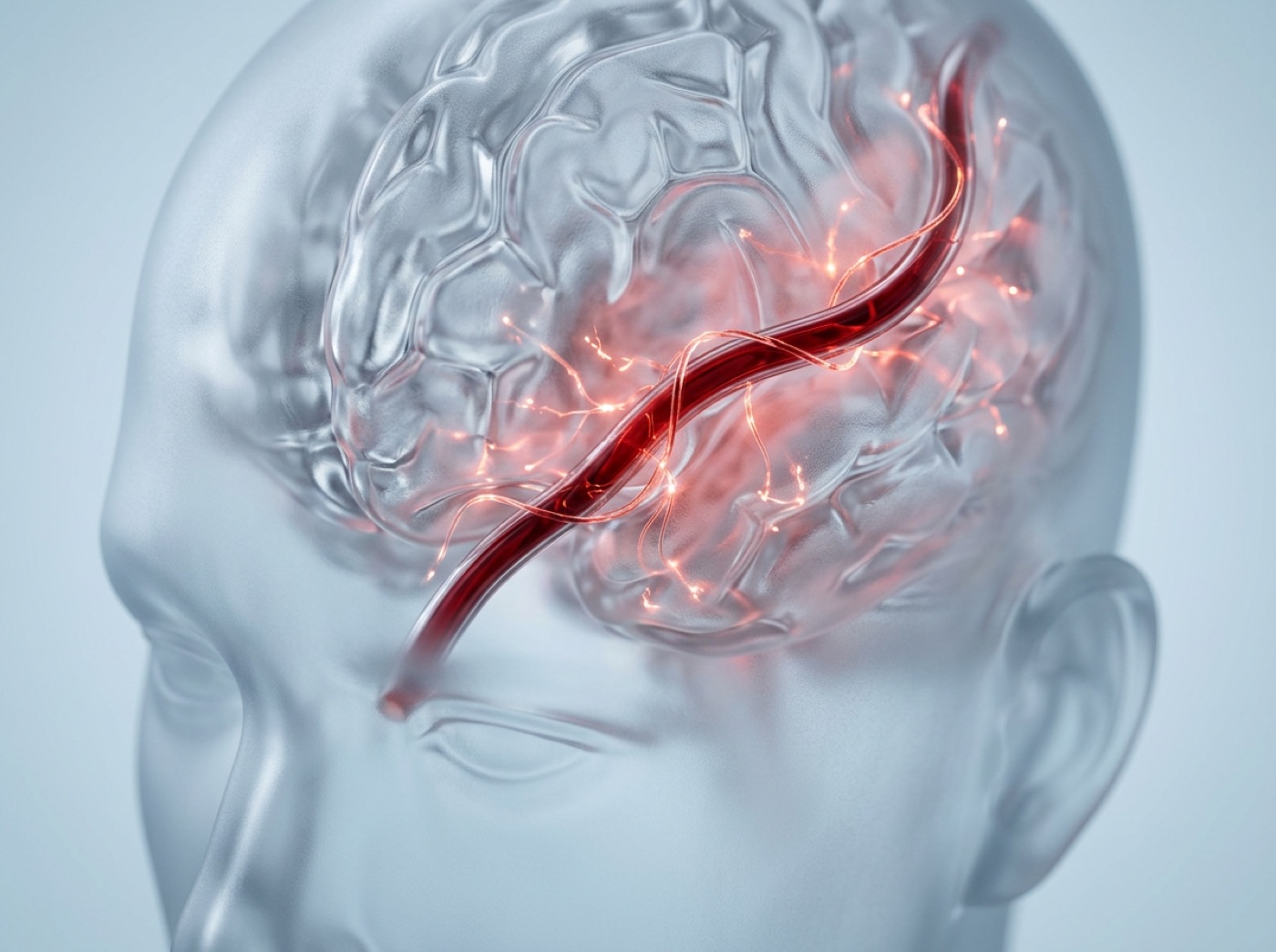
Nobody knows the exact cause of migraine, but genes play a part. During an attack, nerves in the blood vessels of the head send pain signals to the brain and release substances that cause inflammation in the nerves and blood vessels around them.
4. The headache
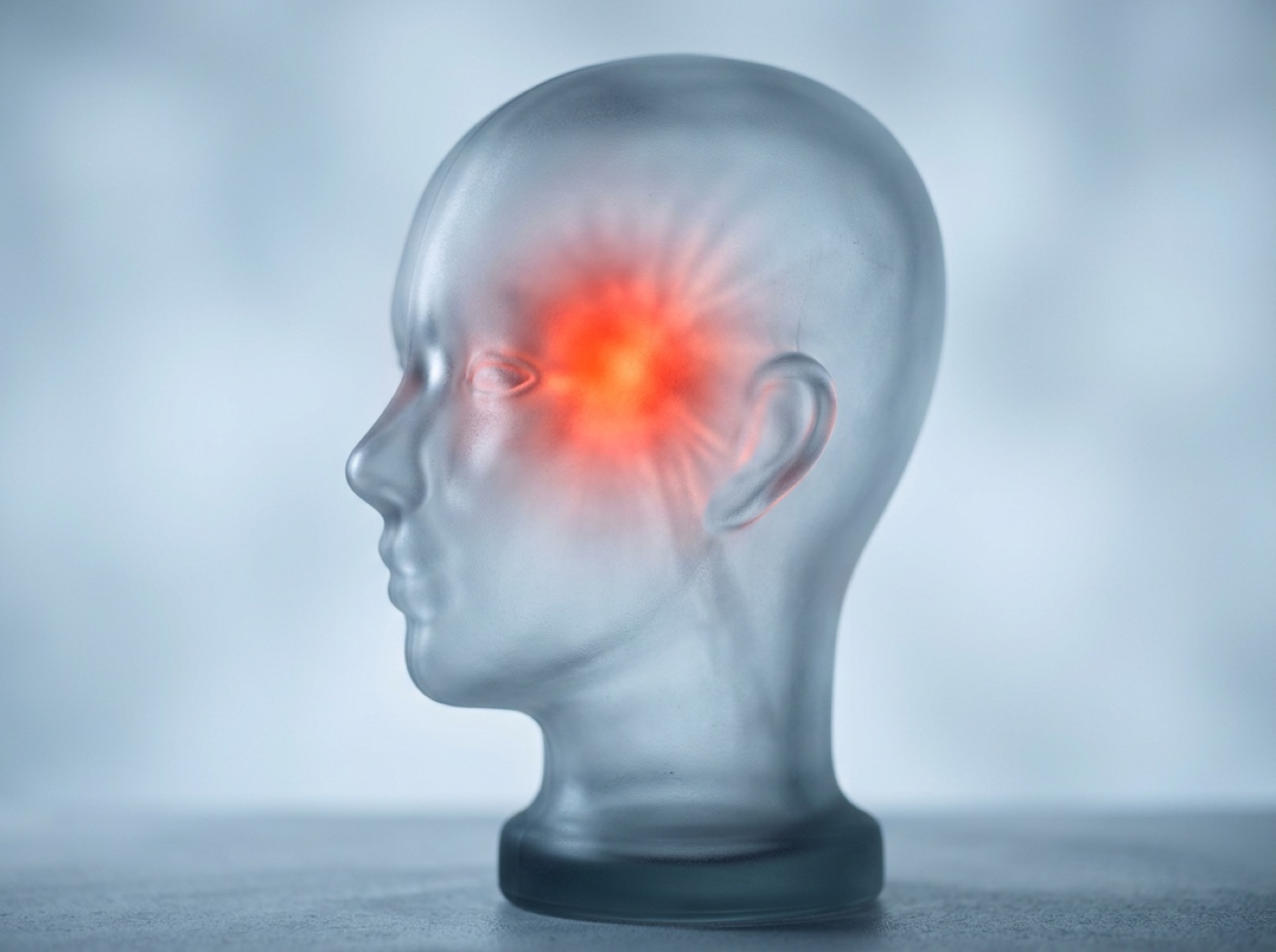
The pain is usually throbbing and often on one side of the head, and it can be severe. Many people feel or are sick, and light and sound become hard to bear. The headache usually lasts between 4 hours and 3 days.
5. Recovery
After the pain eases, the last phase, the postdrome, usually lasts from a few hours up to 48 hours, and you may feel tired or drained. From the first warning signs to the end, an attack can take about 8 to 72 hours.
Common triggers
Migraine attacks are often set off by something. Common triggers include stress, hormonal changes, changes in sleep, missed meals, caffeine or tobacco, overexertion, weather changes, certain medicines, and bright lights, loud noises or strong smells. Noting when each attack starts, what you ate and how you slept can help you and your doctor find your own triggers.
When a headache needs a doctor
See a doctor if you have migraine attacks more than once a week, or if your attacks are severe, getting worse or lasting longer than usual.
Get help the same day if an attack lasts longer than 72 hours, if an aura lasts longer than 1 hour, or if you are pregnant or have recently given birth.
Call 112 if a headache came on suddenly and is extremely painful, or comes with problems speaking, loss of vision, drowsiness or confusion, a seizure, or weakness on one side of the body.
Frequently asked questions
How long does a migraine last?
The headache usually lasts between 4 hours and 3 days. With the warning signs before it and the recovery after it, a whole attack can take about 8 to 72 hours.
What is a migraine aura?
Warning signs that some people get before or as the headache starts: zigzag lines or flashing lights, numbness or pins and needles, dizziness or difficulty speaking. An aura lasts about 5 to 60 minutes; one that lasts longer than an hour needs urgent medical help.
What triggers a migraine?
Common triggers include stress, hormonal changes, changes in sleep, missed meals, caffeine or tobacco, overexertion, weather changes, certain medicines, and bright lights, loud noises or strong smells. They differ from person to person.
Is a migraine just a bad headache?
No. A migraine is usually a throbbing pain on one side of the head that lasts hours to days, often with feeling sick and sensitivity to light and sound, and it can come with warning signs and an aura.
When is a headache an emergency?
Call 112 if a headache comes on suddenly and is extremely painful, or comes with problems speaking, loss of vision, drowsiness or confusion, a seizure, or weakness on one side of the body.
Sources
Written by Anpheros from the sources above and checked on 16 October 2026. General information, not medical advice: for your own health, talk to a doctor. In an emergency, call 112.