In short: blood pressure is the force of blood against artery walls, written as two numbers: systolic (when the heart beats) over diastolic (between beats). High blood pressure rarely causes symptoms but raises the risk of stroke, heart attack and kidney disease. Measuring regularly and simple habits, such as less salt and more movement, make a large difference.
At a glance
| The two numbers | Systolic (heart contracting) over diastolic (heart relaxing), in mmHg |
|---|---|
| Hypertension in the clinic (ESC 2024) | 140/90 mmHg or above |
| Elevated (ESC 2024) | 120–139 / 70–89 mmHg |
| Home readings | Hypertension from 135/85 mmHg on average |
| Habits that lower it | Less salt, more potassium-rich food, activity, healthy weight, less alcohol, no smoking |
Measure at home
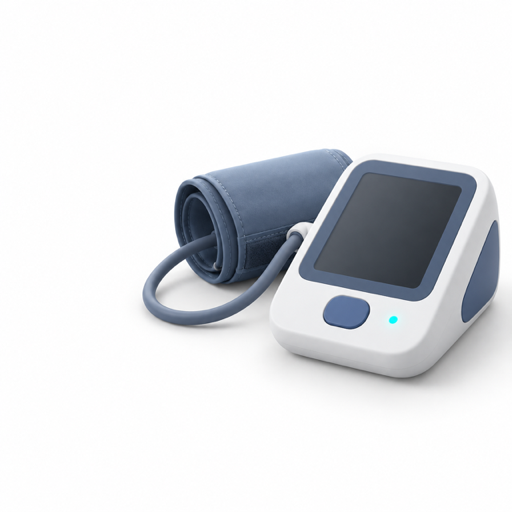
Home readings are often more reliable than one clinic reading.

Everyday habits count
Salt, activity and weight move the numbers.
Readings over time
Log every reading in the app and show the trend at your next visit.
How does circulation work?
The heart pumps blood through arteries to every organ and back through veins, about 5 litres a minute at rest. Arteries are elastic tubes that stretch with each beat and recoil between beats. The pressure needed depends on how hard the heart pumps and how wide and flexible the arteries are. Kidneys, nerves and hormones adjust it all day.
What do the blood pressure numbers mean?
The first number, systolic, is the peak pressure when the heart contracts. The second, diastolic, is the pressure when it relaxes. Both are in millimetres of mercury (mmHg). The 2024 European Society of Cardiology guideline calls 120–139/70–89 elevated and 140/90 or more in the clinic hypertension; US guidelines use lower cut-offs (130/80). Your doctor decides what applies to you.
Why is high blood pressure called a silent risk?
Because most people feel nothing, even at high values, while the extra force damages artery walls over years. WHO estimates that about 1.3 billion adults have hypertension and nearly half do not know it. Untreated, it raises the risk of stroke, heart attack, heart failure, kidney disease and dementia.
How do you measure blood pressure correctly at home?
Use a validated upper-arm monitor with the right cuff size. Sit quietly for 5 minutes, back supported, feet flat, arm resting at heart level, no caffeine, smoking or exercise in the previous 30 minutes. Take two readings a minute apart, morning and evening, for about a week before a visit, and write them down or log them in the app. Wrist and watch readings are less reliable.
Which habits keep blood pressure healthy?
The largest effects come from:
- Eating less salt: WHO recommends under 5 g a day; most people eat about double.
- Eating more vegetables, fruit, legumes and low-fat dairy (the DASH pattern).
- About 150 minutes of moderate activity a week.
- Keeping a healthy weight and waist.
- Limiting alcohol and not smoking.
- Sleeping well and managing stress.
Medicines, when needed, are prescribed and adjusted by your doctor.
Key terms
- Systolic pressure: the pressure in the arteries when the heart beats.
- Diastolic pressure: the pressure in the arteries between beats.
- Hypertension: persistently high blood pressure.
- mmHg: millimetres of mercury, the unit for blood pressure.
- Home blood pressure monitoring: regular readings at home with a validated device.
Sources
- WHO: Hypertension fact sheet
- ESC 2024 Guidelines for the management of elevated blood pressure and hypertension
- NHLBI: High blood pressure
- WHO: Salt reduction
Frequently asked questions
What is a normal blood pressure?
In the ESC 2024 guideline, below 120/70 mmHg is non-elevated. Values between that and 140/90 are elevated. Your doctor interprets your readings with your age and health.
Can you feel high blood pressure?
Usually not. Headaches and nosebleeds are not reliable signs. Very high readings with chest pain, breathlessness, weakness, confusion or vision problems need emergency care: call your local emergency number.
Why is my blood pressure higher at the doctor's?
Anxiety in the clinic can raise readings, called white-coat effect. Home or 24-hour readings help clarify it.
Does coffee raise blood pressure?
Caffeine raises it briefly. Avoid coffee in the 30 minutes before a measurement.
Is low blood pressure a problem?
Often not, if you feel well. Dizziness or fainting when standing should be checked by a doctor.
Are smartwatch blood pressure readings accurate?
Most are not yet validated to the standards of upper-arm monitors. Use a validated upper-arm cuff for readings you share with your doctor.
Try it in Anpheros Daily
Note how you sleep, eat, feel and move in Anpheros Daily, next to your lab results, and see the patterns over weeks.

Anpheros builds a medical record that the patient controls and can share with any clinic, on an HL7 FHIR R4 platform, based in the EU. These guides help you understand and organise your health; they do not replace your doctor.
About Anpheros → Anpheros
The more you log, the clearer your record
Your health history in one place, under your control.
Free · Works in your browser · No card