In short: your body needs 13 vitamins and a range of minerals in small amounts to make energy, blood, bones and hormones. A varied diet covers most needs. Some groups commonly fall short of a few, especially vitamin D, B12, iron, folate and iodine. Supplements help when there is a real gap, and more is not better.
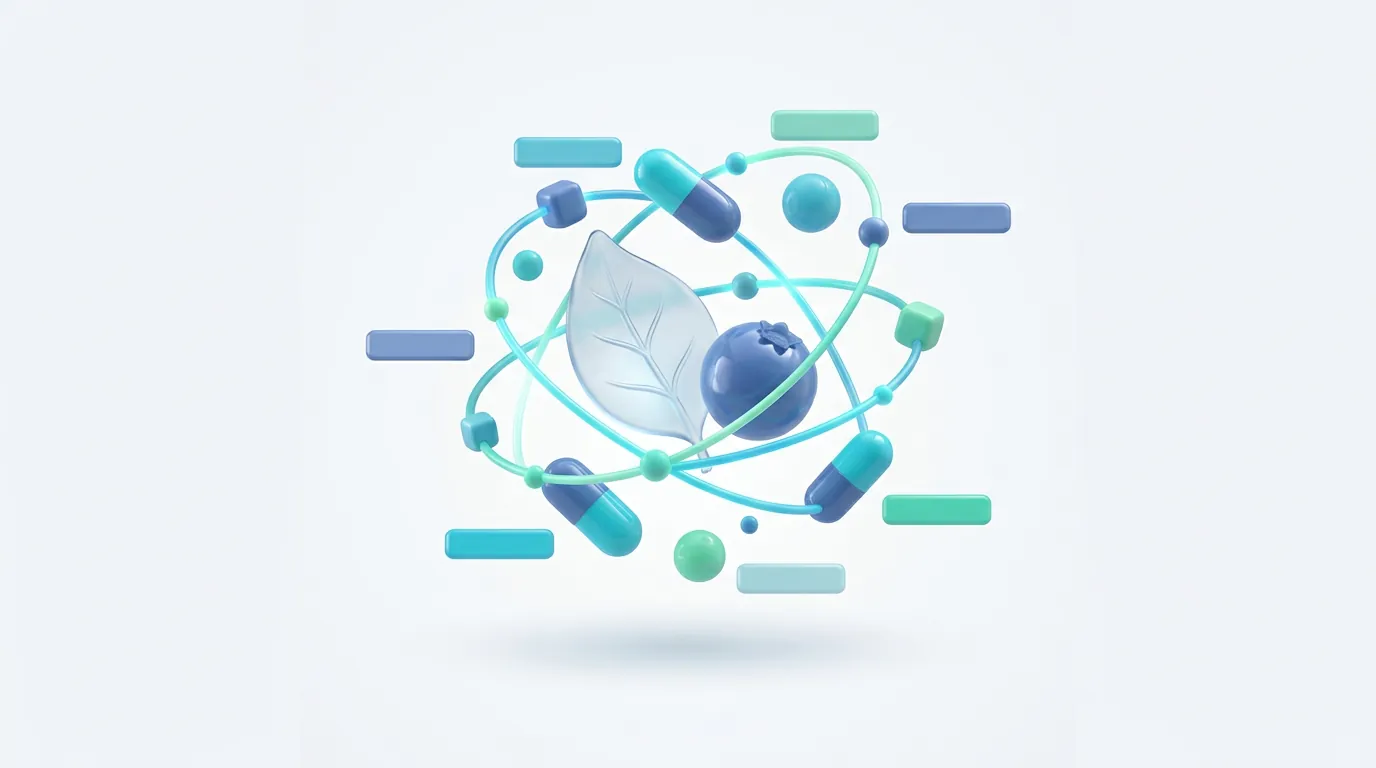
At a glance
| Vitamins | 13: A, C, D, E, K and eight B vitamins |
|---|---|
| Fat-soluble (stored) | A, D, E, K: excess can build up |
| Most common shortfalls | Vitamin D, iron, B12, folate, iodine |
| Supplements commonly advised | Folic acid before and in early pregnancy; vitamin D in winter in many countries; B12 for vegans |
| Check before supplementing | A blood test, read by your doctor |

Food first
Vegetables, fruit, whole grains, dairy, fish, eggs, legumes and nuts cover most needs.
Targeted supplements
Useful for specific gaps, life stages and diets.
Your levels over time
Keep vitamin D, B12, ferritin and other results in the app, with dates and units.
What do the main vitamins do?
| Vitamin | Main role | Good sources |
|---|---|---|
| A | Vision, skin, immunity | Liver, dairy, orange and dark green vegetables |
| B1, B2, B3, B5, B6, B7 | Turning food into energy, nerves | Whole grains, meat, eggs, legumes |
| B9 (folate) | Cell division, baby's neural tube | Leafy greens, legumes, fortified foods |
| B12 | Red blood cells, nerves | Meat, fish, eggs, dairy (not plants) |
| C | Collagen, iron absorption, immunity | Citrus, peppers, berries, broccoli |
| D | Calcium absorption, bones, muscles | Sunlight on skin, oily fish, eggs, fortified foods |
| E | Antioxidant protection of cells | Nuts, seeds, vegetable oils |
| K | Blood clotting, bones | Leafy greens, fermented foods |
Which minerals matter most?
Calcium and phosphorus build bones and teeth. Iron carries oxygen in red blood cells. Magnesium and potassium support muscles, nerves and heart rhythm. Zinc helps immunity and wound healing. Iodine is needed for thyroid hormones; iodised salt and dairy are the main sources in many countries. Selenium, copper and fluoride are needed in tiny amounts.
Who is at risk of low levels?
People with little sun exposure, darker skin or who cover their skin, for vitamin D. Vegans and older adults, for B12. Women with heavy periods, pregnant women and young children, for iron. Women who may become pregnant, for folate. People who avoid dairy and iodised salt, for iodine. Some medicines, such as metformin and stomach-acid reducers, can lower B12.
When does a supplement make sense?
When there is a known gap or a life stage with higher needs: folic acid before conception and in early pregnancy, vitamin D in winter in countries where public health bodies advise it, and B12 for people on a vegan diet. For anything else, a blood test read by your doctor is a better guide than guessing. Ask a doctor or pharmacist about the right product, especially if you take other medicines.
Can you take too much?
Yes. Fat-soluble vitamins A and D build up in the body; too much vitamin A in pregnancy can harm the baby, and very high vitamin D raises calcium. Iron supplements can be dangerous for children if swallowed by accident. EFSA sets tolerable upper intake levels for most vitamins and minerals; high-dose products often exceed them.
Key terms
- Micronutrients: vitamins and minerals, needed in small amounts.
- Fat-soluble vitamins: A, D, E and K, stored in body fat and the liver.
- Water-soluble vitamins: C and the B vitamins, not stored in large amounts.
- Tolerable upper intake level: the highest daily intake unlikely to cause harm.
- Ferritin: a blood marker of the body's iron stores.
Sources
- NIH Office of Dietary Supplements: Vitamin and mineral fact sheets
- EFSA: Dietary reference values for nutrients
- WHO: Micronutrients
- NHS: Vitamins and minerals
Frequently asked questions
Should I take a multivitamin?
Most healthy adults with a varied diet do not need one. Large trials have not shown that multivitamins prevent heart disease or cancer in well-nourished people. Specific groups may benefit from specific nutrients.
How do I know if I am low in a vitamin?
Symptoms such as tiredness are vague and have many causes. A blood test, ordered and read by your doctor, is the reliable way to check.
Is it better to get vitamins from food?
Yes, when possible. Food provides nutrients together with fibre and other compounds, and it is hard to overdose from food alone.
Can vitamin D come only from the sun?
Sunlight on skin is the main source, but in winter at northern latitudes the sun is too weak. Oily fish, eggs and fortified foods help; many countries advise a winter supplement.
Do vitamin C supplements prevent colds?
For most people they do not prevent colds. Regular use may slightly shorten them; Cochrane reviews show the effect is small.
Can supplements interact with medicines?
Yes. For example, vitamin K affects warfarin and calcium and iron reduce absorption of some antibiotics and thyroid medicine. Tell your doctor and pharmacist what you take.
Try it in Anpheros Daily
Note how you sleep, eat, feel and move in Anpheros Daily, next to your lab results, and see the patterns over weeks.

Anpheros builds a medical record that the patient controls and can share with any clinic, on an HL7 FHIR R4 platform, based in the EU. These guides help you understand and organise your health; they do not replace your doctor.
About Anpheros → Anpheros
The more you log, the clearer your record
Your health history in one place, under your control.
Free · Works in your browser · No card