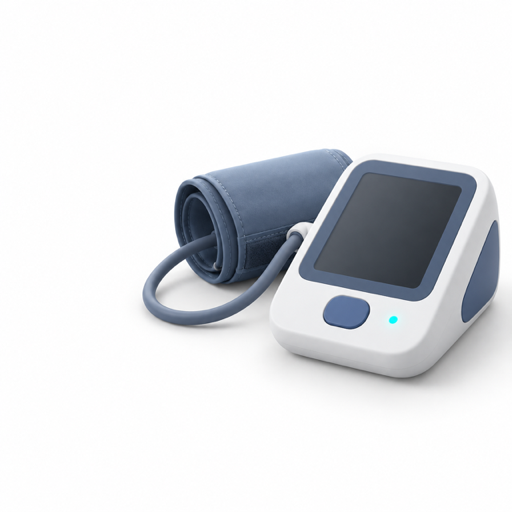
Short answer: To measure blood pressure at home, sit quietly for five minutes with your back supported, feet flat and arm resting at heart level, use a validated upper-arm monitor with the right cuff size, and take two readings a minute apart, morning and evening, for several days. Write down each reading with the date and time, or save it in an app, and show the whole series to your doctor.

At a glance
| Before | Five minutes seated, back supported, feet flat, arm at heart level, no coffee or smoking for 30 minutes |
|---|---|
| Device | A validated upper-arm monitor with the right cuff size |
| How | Two readings a minute apart, morning and evening, for several days |
| Write down | Systolic, diastolic, pulse, date and time, and anything unusual |
| For the doctor | The whole series, not the best reading |
| What this page does not do | Say whether your readings are high or what to take |
How it is done
A single reading tells little: blood pressure changes with activity, stress, caffeine, a full bladder and talking. Doctors therefore ask for a series of home readings, typically over a week, taken the same way each time, and often average them while leaving out the first day. You can keep that series in our free blood pressure log: fill it in online, then print it or save it as a PDF.
What the report contains
| On the report | Unit | What it describes |
|---|---|---|
| Systolic | mmHg | the pressure when the heart beats (the top number) |
| Diastolic | mmHg | the pressure between beats (the bottom number) |
| Pulse | beats per minute | heart rate measured by the monitor |
| Irregular heartbeat symbol | — | some monitors flag an irregular rhythm during the reading |
Practical rules: avoid caffeine, smoking and exercise for 30 minutes before; empty your bladder; do not talk during the reading; use the same arm (the one with the higher readings, if your doctor checked both); put the cuff on bare skin. Wrist monitors are more sensitive to arm position.
Keeping the readings in your record
In Anpheros Daily you note each reading by hand or import it from a connected monitor, and the app shows morning and evening values over time; before a visit you generate a PDF report with the series. Readings are stored as HL7 FHIR Observations with standard codes, so they can be shared with any doctor.
What this page does not do
It explains what the investigation is and how its report is usually organised. It does not interpret your report or images, diagnose or recommend treatment. Reading the recording or images is the specialist's job; deciding what the report means for you is your doctor's.
Related pages
- ECG (electrocardiogram) report explained
- How accurate are smartwatch health measurements? Heart rate, SpO2, sleep and ECG
Sources
Frequently asked questions
How many times a day should I measure blood pressure at home?
Often twice a day, morning and evening, with two readings a minute apart, for about a week before a visit. Follow your doctor's plan.
Which arm should I use?
The same one every time. If your doctor found a difference between arms, use the one with the higher readings.
Is a wrist monitor accurate?
Upper-arm monitors are generally preferred; wrist monitors are more affected by position. Choose a validated device.
Why is my blood pressure higher at the doctor's?
Many people have higher readings in a clinic (the "white coat" effect), which is one reason home readings are useful.
Try it in Anpheros Daily
Log symptoms, measurements and sleep in Anpheros Daily and show the timeline to your doctor.
How it works in the app →
Anpheros builds a medical record that the patient controls and can share with any clinic, on an HL7 FHIR R4 platform, based in the EU. These guides help you understand and organise your health; they do not replace your doctor.
About Anpheros → Anpheros
The more you log, the clearer your record
Your health history in one place, under your control.
Free · Works in your browser · No card