In short: the WHO attributes most of the burden of heart disease, stroke, type 2 diabetes, chronic lung disease and many cancers to a few modifiable factors: tobacco, physical inactivity, unhealthy diet, harmful alcohol use and air pollution, with high blood pressure, high blood sugar and excess weight as the measurable results. Add sleep, vaccination, the screenings your national programme offers, dental care and sun protection, and you have the ten habits with the strongest evidence. The habits check takes two minutes and gives general tips; it does not calculate your personal risk.

At a glance
| Not smoking | The single largest preventable cause of disease and early death; quitting helps at any age |
|---|---|
| Movement | 150–300 min moderate activity a week plus strength work; sitting less counts too |
| Diet | Mostly plants, whole grains, little free sugar, salt under 5 g, few ultra-processed foods |
| Alcohol | Less is better; no amount is risk-free (WHO); national low-risk limits are around 100 g of alcohol a week or less |
| Sleep | 7–9 hours; short sleep is linked to blood pressure, weight and mood |
| Checks and shots | Blood pressure every few years, the screenings your country offers by age, vaccinations up to date, a dental check yearly, sunburn avoided |

The big four
Tobacco, inactivity, diet and alcohol explain most preventable chronic disease worldwide.
Know three numbers
Blood pressure, fasting glucose or HbA1c, and cholesterol: cheap to measure, silent when high.

Prevention is scheduled
Screenings and vaccinations work because they happen on time; a record with dates is half the job.
Why a short list
Large studies that follow hundreds of thousands of people for decades keep finding the same thing: a handful of habits accounts for most of the difference in who develops heart disease, stroke, type 2 diabetes, chronic lung disease and several cancers, and in who lives longer in good health. People who do not smoke, move regularly, eat mostly plants, keep alcohol low and keep a healthy weight have roughly half to two-thirds lower rates of these conditions than people who do none of those. The list is short because the evidence is.
The ten habits
- Do not smoke, and avoid others' smoke. Quitting at 40 recovers most of the lost life expectancy; at 60 it still adds years.
- Move most days. Guidelines: 150–300 minutes a week of moderate activity (brisk walking counts) and muscle work twice a week; breaking up long sitting matters separately. See Exercise and recovery.
- Eat mostly plants. Vegetables, fruit, legumes, whole grains, nuts, fish; little free sugar and salt; few ultra-processed foods. See Nutrition and health.
- Keep alcohol low. The risk of several cancers rises from the first drink; national guidance in Europe now sits at or below about 100 g of alcohol a week, with alcohol-free days.
- Sleep 7–9 hours. Short or irregular sleep raises blood pressure, weight, blood sugar and the risk of depression. See How sleep works.
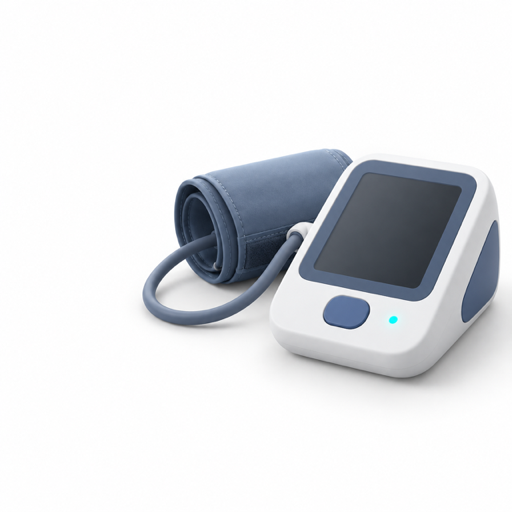
- Know your blood pressure. High blood pressure causes no symptoms and is the leading risk factor for stroke; a check every few years from young adulthood, more often if it is borderline. See Measuring blood pressure at home.
- Take the screenings you are offered. Cervical, breast and bowel cancer screening by age and sex, and the blood tests (glucose, lipids) your doctor suggests, catch disease when it is treatable.
- Keep vaccinations current. Including the adult ones: tetanus boosters, influenza and COVID-19 as recommended for you, pneumococcal and shingles at the ages your country advises, HPV where offered.
- See a dentist regularly. Gum disease is linked to heart disease and diabetes, and dental problems are easier early.
- Protect your skin from the sun. Sunburn, especially in childhood, drives skin cancer; shade, clothing and sunscreen are the prevention.
How much each one matters
They are not equal. Smoking stands alone; then activity, diet and weight as a group; then alcohol and sleep; then the checks, which prevent the consequences rather than the cause. But they compound: each habit you add lowers risk further, and improving one often helps the others (sleep improves eating; walking improves sleep). There is no age at which it stops mattering.
The two-minute check
The habits check asks ten yes-or-no questions on these habits and shows which ones you already have, with a short general tip for each one you do not. It is deliberately not a risk calculator: it has no idea about your family history, your medicines or your blood tests, and a score of 7 does not mean you are healthier than someone with 5. Your doctor, with those facts, can estimate risk; this tool only shows where the evidence says effort pays.
What you can track
Blood pressure, weight, activity and sleep over months; dates of vaccinations, screenings and dental checks in one record for each family member. Anpheros Daily keeps the blood pressure log, the daily check-in and the family's records, including vaccines and appointment dates, in one place a doctor can read.
This page explains how the body works; it does not diagnose or recommend treatments. For symptoms that worry you, talk to your doctor.
Key terms
- Modifiable risk factor: something that raises disease risk and can be changed, such as smoking or inactivity.
- Noncommunicable disease: a long-term condition not caused by infection: heart disease, diabetes, cancer, chronic lung disease.
- Screening: testing people without symptoms to find disease early, offered by age and sex.
- Primary prevention: stopping a disease before it starts; secondary prevention finds it early; tertiary limits its damage.
- Low-risk drinking guideline: the national upper limit of alcohol associated with low risk; it is not a safe amount.
Related pages
- Prevention habits check (free tool)
- Longevity
- Nutrition and health
- Exercise and recovery
- A family vaccination record on your phone
Sources
- WHO: Noncommunicable diseases (fact sheet)
- WHO: Tobacco (fact sheet)
- WHO: Alcohol (fact sheet)
- WHO: Physical activity (fact sheet)
- NHS: NHS Health Check
- CDC: Adult vaccination schedule
Frequently asked questions
Which habit matters most?
Not smoking, by a wide margin. After that, regular movement and a mostly plant-based diet, which also help keep weight, blood pressure and blood sugar in range.
Is it too late to change at 60?
No. Quitting smoking at 60 adds years; starting to walk daily lowers cardiovascular risk within months; blood pressure control prevents strokes at any age.
How much alcohol is safe?
There is no risk-free amount; the risk of several cancers rises from the first drink. National low-risk guidance in Europe is around 100 g of pure alcohol a week or less (roughly ten small drinks), with alcohol-free days.
Which screenings should I have?
It depends on age, sex and country: cervical screening from the twenties, breast and bowel screening from around 50, with blood pressure and blood tests as your doctor advises. Your national programme invites you; keeping the dates in your record helps you not miss one.
Does the habits check calculate my risk?
No. It only shows which evidence-based habits you have and gives general tips. Personal risk depends on family history, medicines and test results that the tool does not know.
Do supplements prevent disease?
For people without a deficiency, trials of multivitamins and antioxidants have not shown prevention of heart disease or cancer. Specific supplements are for specific documented needs, agreed with a doctor.
Try it in Anpheros Daily
Note how you sleep, eat, feel and move in Anpheros Daily, next to your lab results, and see the patterns over weeks.

Anpheros builds a medical record that the patient controls and can share with any clinic, on an HL7 FHIR R4 platform, based in the EU. These guides help you understand and organise your health; they do not replace your doctor.
About Anpheros → Anpheros
The more you log, the clearer your record
Your health history in one place, under your control.
Free · Works in your browser · No card