In short: many popular health beliefs do not hold up when tested. Detox cleanses do not remove toxins, vaccines do not cause autism, and vitamin C does not prevent colds for most people. Good evidence comes from well-designed studies and reviews, not from a single story or a product label. Try the quiz to test yourself.
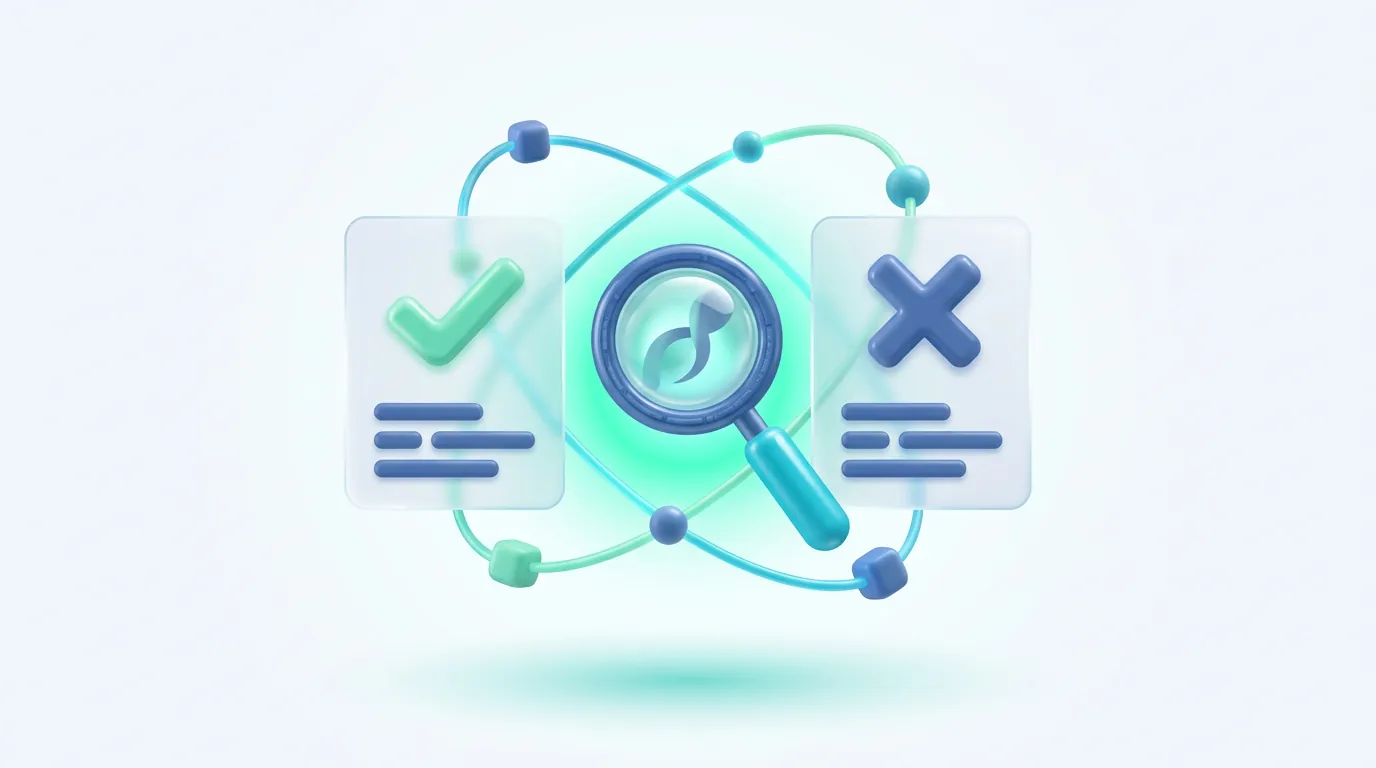
At a glance
| Myth | Detox cleanses remove toxins: the liver and kidneys already do this |
|---|---|
| Myth | Vaccines cause autism: disproven by studies of millions of children |
| Mostly myth | Vitamin C prevents colds: no effect for most people, may shorten them slightly |
| Partly true | 8 glasses of water: total needs vary and food counts too |
| Best evidence | Systematic reviews and large randomised trials |

Check the source
WHO, national health services, Cochrane.
One story is not proof
Anecdotes and testimonials can mislead.

Ask your doctor
Bring the claim and the source to your next visit.
Ten myths checked against the evidence
| Claim | Verdict | What the evidence shows |
|---|---|---|
| Detox cleanses remove toxins | Myth | No good evidence; the liver and kidneys remove waste continuously |
| Vaccines cause autism | Myth | The 1998 study was retracted; large studies found no link |
| Vitamin C prevents colds | Mostly myth | No prevention for most people; regular use may shorten colds slightly |
| You must drink 8 glasses of water a day | Partly true | Needs vary; drinks and food together give about 2–2.5 litres |
| Cold weather gives you a cold | Myth | Colds are caused by viruses; winter brings people indoors together |
| Sugar makes children hyperactive | Myth | Controlled trials found no effect on behaviour |
| Cracking knuckles causes arthritis | Myth | Studies found no link with arthritis |
| We use only 10% of our brain | Myth | Brain scans show activity across all regions |
| Antibiotics help with colds and flu | Myth | Antibiotics do not work on viruses and add side effects |
| Eating late at night always makes you gain weight | Mostly myth | Total intake matters most; timing has a small effect |
Do detox cleanses work?
No. Reviews by NIH's NCCIH found no compelling evidence that detox diets or cleanses remove toxins. Your liver and kidneys do this every minute. Some cleanse products contain laxatives or have caused harm.
Do vaccines cause autism?
No. The 1998 paper that claimed a link was retracted for misconduct, and its author was struck off the UK medical register. Studies of millions of children in several countries have found no link between vaccines and autism.
Does vitamin C prevent colds?
For most people, no. Cochrane reviews found that taking vitamin C regularly does not prevent colds in the general population, though it may shorten them slightly. People under extreme physical stress, such as marathon runners, may benefit more.
How can you spot a health myth?
Be cautious when a claim promises a quick fix, uses words like "miracle" or "toxins" without naming them, relies on personal stories, comes from someone selling the product, or says doctors are hiding the truth. Check reliable sources: WHO, national health services, Cochrane, and ask your doctor or pharmacist.
Key terms
- Evidence-based: supported by good-quality research, not only by tradition or opinion.
- Placebo effect: feeling better because you expect to, not because of the treatment itself.
- Anecdote: a personal story, which cannot show whether a treatment works.
- Retraction: when a journal withdraws a published paper because it is unreliable.
- Systematic review: a structured summary of all good-quality studies on a question.
Sources
- NIH NCCIH: "Detoxes" and "cleanses", what you need to know
- WHO: Vaccines and immunization, myths and facts
- Hemilä and Chalker, Vitamin C for preventing and treating the common cold, Cochrane (2013)
- Wolraich et al., The effect of sugar on behavior or cognition in children, JAMA (1995)
- EFSA: Scientific opinion on dietary reference values for water (2010)
Frequently asked questions
Why do health myths spread so easily?
They are simple, emotional and often shared by people we trust. Corrections are usually more complicated and less shared.
Is "natural" always better?
No. Natural products can have side effects and interact with medicines, and many synthetic treatments are thoroughly tested.
How do I know if a study is reliable?
Larger, randomised, controlled studies published in peer-reviewed journals and confirmed by other studies are more reliable. Systematic reviews combine them.
Can a treatment work for me even if studies say it doesn't?
You may feel better due to the placebo effect or natural recovery. That is why controlled studies compare treatments with a placebo.
Where can I check a health claim?
WHO, your national health service, Cochrane summaries and MedlinePlus. Ask your doctor or pharmacist about anything you plan to try.
Does Anpheros give medical advice?
No. Anpheros helps you keep and understand your own health record. Decisions about diagnosis and treatment are for your doctor.
Try it in Anpheros Daily
Note how you sleep, eat, feel and move in Anpheros Daily, next to your lab results, and see the patterns over weeks.

Anpheros builds a medical record that the patient controls and can share with any clinic, on an HL7 FHIR R4 platform, based in the EU. These guides help you understand and organise your health; they do not replace your doctor.
About Anpheros → Anpheros
The more you log, the clearer your record
Your health history in one place, under your control.
Free · Works in your browser · No card