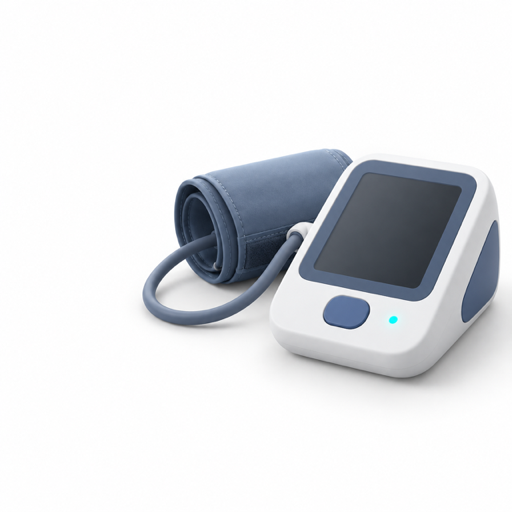
In short: homeostasis is the body holding its internal conditions steady while the outside world changes: core temperature near 37 °C, blood glucose in a narrow band, blood acidity between pH 7.35 and 7.45, water and salt in proportion. It works through negative feedback: a sensor notices a drift, a control centre (often in the brain) responds, and the response cancels the drift. Sweating, shivering, thirst, insulin and faster breathing are all homeostasis in action. Illness is often what it looks like when a loop is overwhelmed.
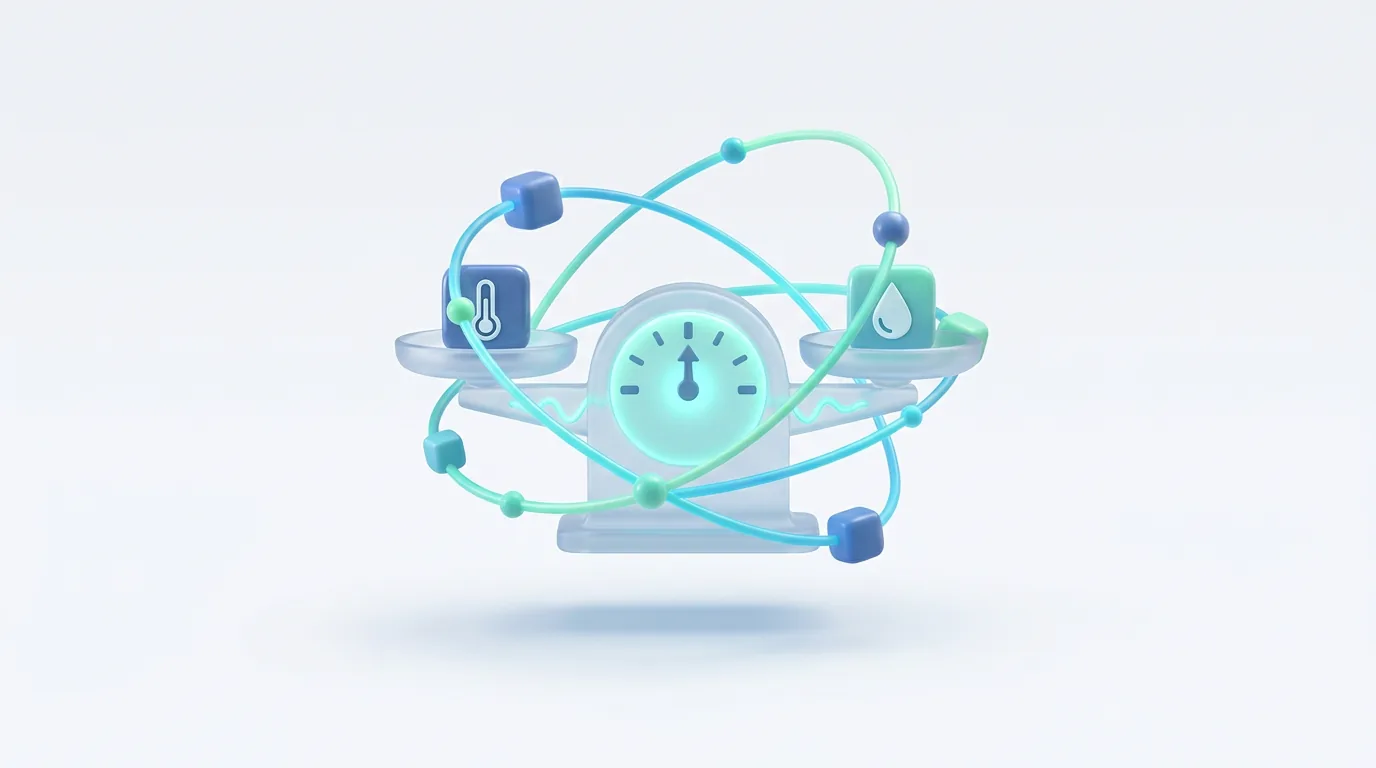
At a glance
| What it is | Keeping internal conditions within narrow ranges despite changes outside |
|---|---|
| How | Negative feedback: sensor → control centre → response that reverses the change |
| Core temperature | About 36.5–37.5 °C; sweating and vasodilation cool, shivering and vasoconstriction warm |
| Blood glucose | Fasting roughly 4–6 mmol/L (70–100 mg/dL); insulin lowers, glucagon raises |
| Blood pH | 7.35–7.45; buffers in seconds, lungs in minutes, kidneys in days |
| What you can track | Weight, blood pressure, resting heart rate, sleep, fasting glucose from lab reports |
Narrow ranges, strong loops
Most values move only a few percent in a day; the loops behind them never stop.
You see the loops at work
A rising resting heart rate on a hot day or after poor sleep is homeostasis compensating.

Lab reports are snapshots of balance
Glucose, electrolytes, creatinine and pH-related values are what the loops are holding.
What homeostasis is
Cells only work inside a narrow range of temperature, acidity, salt and fuel. Homeostasis is the set of processes that keep those conditions stable even as you eat, exercise, sweat, sleep or fall ill. The word means "staying the same", but the body achieves sameness by constant small adjustments, not by standing still.
How feedback loops work
Almost every loop has three parts: a sensor that measures the variable (temperature-sensitive nerves, glucose-sensing cells in the pancreas, stretch receptors in blood vessels), a control centre that compares it with a set point (often the hypothalamus), and effectors that push it back (sweat glands, muscles, hormones, kidneys). Because the response opposes the change, it is called negative feedback. A few loops use positive feedback on purpose, such as the contractions of labour, which build until the event is complete.
The main loops you live with
Temperature. Too warm: blood vessels in the skin open and you sweat; too cold: vessels narrow, you shiver, and brown fat burns fuel for heat. See Thermoregulation. Blood glucose. After a meal, insulin moves glucose into cells and storage; between meals, glucagon releases it. Water and salt. Thirst and the hormone vasopressin adjust how much water the kidneys keep; aldosterone adjusts sodium. Blood pressure. Stretch sensors in the arteries adjust heart rate and vessel width within a heartbeat. Acidity. Chemical buffers, breathing rate and the kidneys hold blood pH; see Acid–base balance. Oxygen and carbon dioxide. Sensors in the brainstem and arteries set the breathing rate.
What pushes the body off balance
Heat waves, dehydration, infection with fever, very low or very high food intake, sleep loss and long-term stress all load the loops. Most of the time they cope, at a cost you can sometimes see: a higher resting heart rate, thirst, tiredness, a fasting glucose that drifts up. Disease is often a loop that is damaged or overwhelmed: diabetes is a glucose loop without enough insulin or with cells that no longer respond; heat stroke is the temperature loop failing; kidney disease weakens the water, salt and acid loops. The idea of allostasis describes the body shifting its set points under long-term stress, which keeps you going but with wear. See Cortisol and stress.
What you can track
You cannot watch most loops directly, but their outputs are ordinary measurements: weight (water balance over days), blood pressure, resting heart rate, temperature when unwell, sleep, and the glucose, sodium, potassium and creatinine on a lab report. Anpheros Daily keeps those values from your daily check-in, your blood pressure log and your lab results on one timeline, so a drift shows as a trend rather than a surprise.
This page explains how the body works; it does not diagnose or recommend treatments. For symptoms that worry you, talk to your doctor.
Key terms
- Homeostasis: the maintenance of stable internal conditions by continuous adjustment.
- Negative feedback: a response that reverses the change that triggered it.
- Set point: the target value a control loop defends, such as 37 °C.
- Hypothalamus: the brain region that runs temperature, thirst, hunger and hormone loops.
- Allostasis: stability achieved by shifting set points under long-term demand, at a cost.
Related pages
- Thermoregulation
- Acid–base balance
- Cortisol and stress
- Why you feel tired: how the body makes energy
- How to measure blood pressure at home
Sources
- NIH, National Institute of General Medical Sciences: Circadian rhythms and homeostasis
- NIH MedlinePlus: Blood glucose
- NIH MedlinePlus: Fluid and electrolyte balance
- NHS: Diabetes
- WHO: Heat and health
Frequently asked questions
Is homeostasis the same as balance?
Close: it is balance maintained by active correction. The body is never still; it is constantly adjusting to stay within range.
What is an example of positive feedback?
Labour contractions, blood clotting and the release of an egg at ovulation: processes that build on themselves until they complete, then stop.
Why does my resting heart rate go up when I am ill?
Fever and the immune response raise the body's demand; the heart compensates. It is a sign of the loops working, and a useful number to track.
Can I improve my homeostasis?
You can lighten the load: sleep, hydration, regular meals, activity, not smoking. The loops themselves are not something you train, but a body under less strain keeps balance more easily.
Which lab values reflect it?
Fasting glucose, sodium, potassium, chloride, bicarbonate, creatinine and urea are the ones that show water, salt, acid and fuel balance. A doctor reads them together with how you feel.
What does allostatic load mean?
The cumulative wear from a stress response that is on too often or too long. It is measured in research with a set of markers such as blood pressure, cortisol and inflammation.
Try it in Anpheros Daily
Note how you sleep, eat, feel and move in Anpheros Daily, next to your lab results, and see the patterns over weeks.

Anpheros builds a medical record that the patient controls and can share with any clinic, on an HL7 FHIR R4 platform, based in the EU. These guides help you understand and organise your health; they do not replace your doctor.
About Anpheros → Anpheros
The more you log, the clearer your record
Your health history in one place, under your control.
Free · Works in your browser · No card