In short: cortisol is a hormone made by the adrenal glands with two jobs. Every day it follows a rhythm: highest about half an hour after waking, falling through the afternoon, lowest around midnight; that rhythm sets your energy, appetite and sleep. Under stress it rises on demand, freeing glucose and sharpening attention for a few minutes or hours, then falls back. Problems come when the demand never stops: a flattened rhythm, poor sleep, higher blood sugar, more infections and lower mood. The hormone is not the enemy; the pattern is what matters.
At a glance
| What it is | A steroid hormone from the adrenal glands, controlled by the brain (hypothalamus and pituitary) |
|---|---|
| Daily rhythm | Peak 30–45 minutes after waking, steady fall through the day, lowest around midnight |
| Under stress | Rises within minutes with adrenaline; raises blood glucose, blood pressure and alertness; falls when the stressor ends |
| Long-term stress | Flattened rhythm, poor sleep, higher glucose, more belly fat, weaker immune response, low mood |
| Tests | Blood, saliva or urine cortisol, timed; useful for specific medical questions, not for 'stress level' |
| What you can track | Sleep, mood, energy by time of day, resting heart rate, stressful events |
A rhythm, not a number
Cortisol is meant to be high in the morning and low at night; a single value without the time of day says almost nothing.
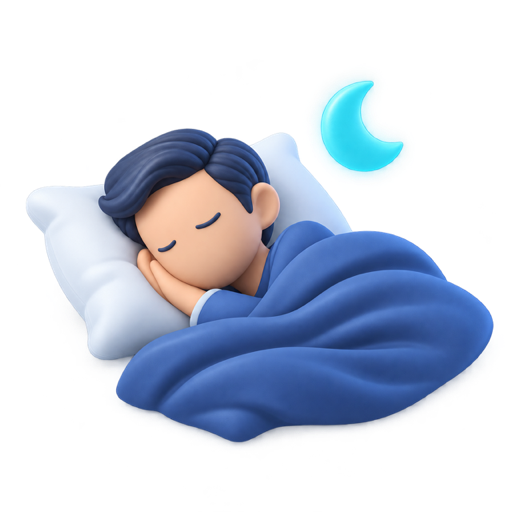
Sleep and cortisol are one loop
Late-evening cortisol keeps you awake; short sleep raises next-day cortisol.
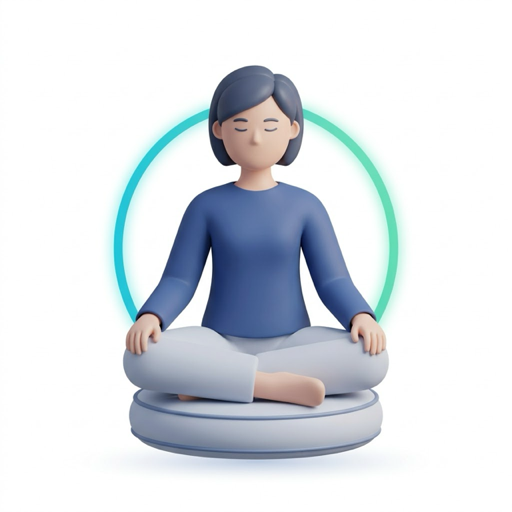
Recovery is the signal
Healthy stress ends. The question to track is not how stressed you were, but whether you came back down.
What cortisol does
Cortisol keeps the body supplied. It raises blood glucose by releasing stored energy, supports blood pressure, dampens inflammation, and tunes the brain towards alertness. The brain controls it through a chain called the HPA axis: the hypothalamus signals the pituitary, the pituitary signals the adrenal glands, and cortisol in the blood feeds back to switch the chain off. That feedback is what makes the system self-limiting under normal conditions.
The daily rhythm
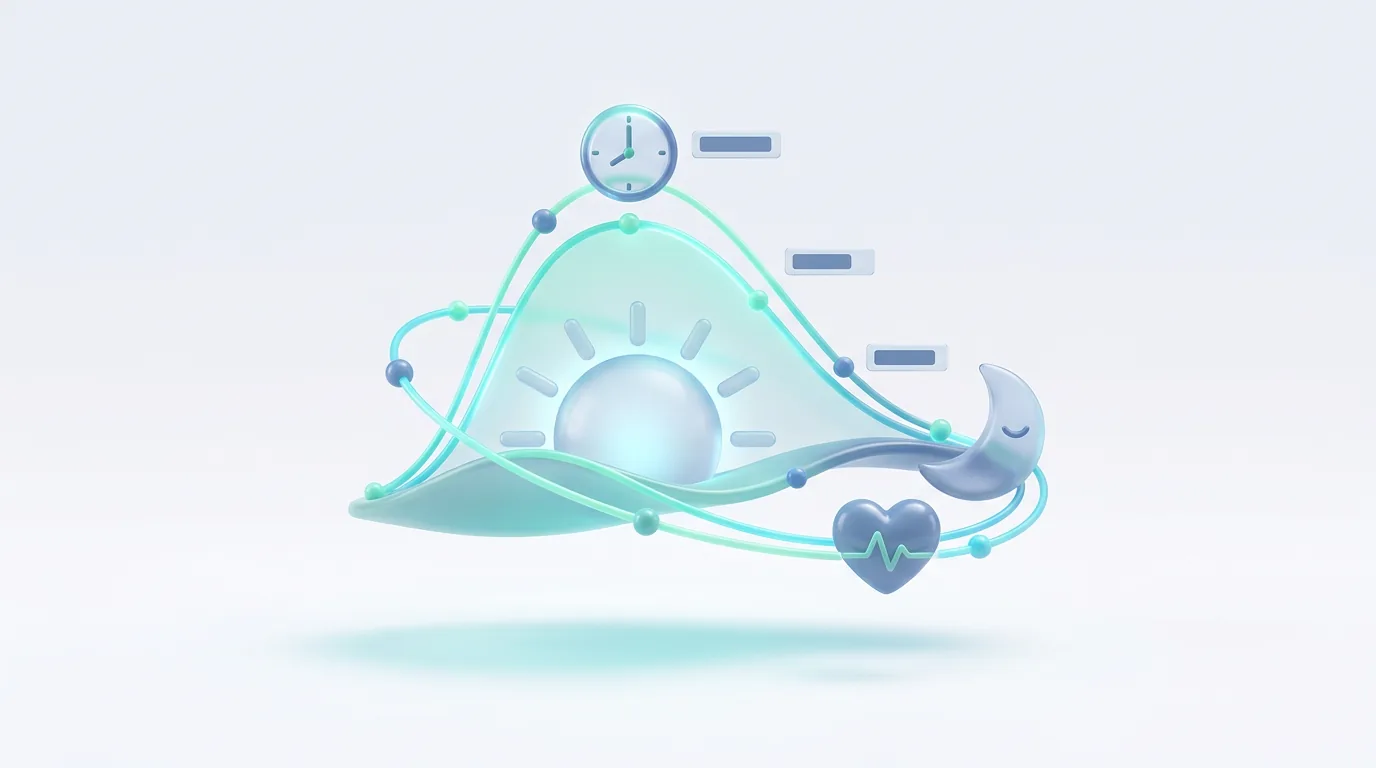
Cortisol rises in the last hours of sleep and peaks 30 to 45 minutes after waking (the cortisol awakening response), which is part of why you feel more alert mid-morning than at the moment the alarm rings. It falls through the afternoon and reaches its lowest point around midnight, making room for sleep. Light in the morning, regular wake times and meals anchor the rhythm; late screens, night shifts and irregular sleep flatten it. A flattened curve, high at night and low in the morning, is what many people with long-term stress or poor sleep show, and it feels like being wired at night and exhausted in the morning.
The stress response
When the brain perceives a threat, adrenaline acts within seconds (faster heart, sharper senses) and cortisol follows within minutes, releasing glucose and keeping the response going. This is useful: it is what lets you handle an exam, a near miss on the road or a sprint. The response is designed to end: once the threat passes, cortisol falls and the body repairs. Short, bounded stress with recovery is not harmful; some researchers argue it is necessary for resilience.
When stress does not stop
With constant demands, no recovery and poor sleep, cortisol stays raised or loses its rhythm. The effects spread: blood glucose runs higher, which over years raises the risk of type 2 diabetes; fat is stored preferentially around the abdomen; sleep becomes lighter; the immune response weakens, so colds last longer; memory and mood suffer. These are associations seen across many studies, not a diagnosis anyone can make from feeling tired; they are the reason long-term stress is treated as a health matter and not a character flaw. See How immunity works and Acute vs chronic inflammation.
When a cortisol test makes sense
Doctors measure cortisol in blood, saliva or urine to investigate specific conditions where the adrenal glands make far too much or too little, always at defined times of day and often after a stimulation or suppression test. A single cortisol value is not a measure of stress, and a "normal" result does not mean stress is not affecting you. If you are considering a test because you feel stressed, the useful conversation with your doctor is about sleep, mood and symptoms, not the hormone number.
What helps the rhythm recover
The evidence points to the same levers as for sleep: morning daylight, a regular wake time, movement during the day (not intense exercise late at night), meals at regular times, limiting alcohol and late caffeine, and practices that reliably switch the stress response off (slow breathing, mindfulness, time outdoors, social contact). What you can track is simpler than the hormone: hours of sleep, energy by time of day, mood, resting heart rate from a watch, and the events that preceded bad days. Anpheros Daily's daily check-in and symptom diary are built for exactly that pattern over weeks.
This page explains how the body works; it does not diagnose or recommend treatments. For symptoms that worry you, talk to your doctor.
Key terms
- Cortisol: the adrenal hormone that mobilises energy and follows a daily rhythm.
- HPA axis: the hypothalamus–pituitary–adrenal chain that controls cortisol and switches it off by feedback.
- Cortisol awakening response: the rise in cortisol in the first 30–45 minutes after waking.
- Adrenaline: the fast stress hormone that acts within seconds, before cortisol.
- Allostatic load: the wear on the body from a stress response that is activated too often or never fully switched off.
Related pages
- The nervous system and stress
- How immunity works
- How sleep works
- Why you feel tired
- Mindfulness and relaxation in the app
Sources
- NIH MedlinePlus: Cortisol test
- NIH, National Institute of Mental Health: I'm so stressed out
- NHS: Stress
- WHO: Stress
- NIH, National Institute of General Medical Sciences: Circadian rhythms
Frequently asked questions
Is high cortisol bad?
Not by itself: it is supposed to be high in the morning and during a challenge. The concern is cortisol that stays high, or a rhythm that is flat, over months.
Can I test my cortisol at home?
Saliva kits exist, but a single value without a medical question is hard to interpret and easy to misread. Timed tests ordered by a doctor answer specific questions; home kits mostly do not.
Does caffeine raise cortisol?
Caffeine causes a short rise, larger in the afternoon and in people not used to it. For most people the bigger effect is on sleep, which then affects cortisol the next day.
What are symptoms of chronic stress?
Trouble sleeping, waking tired, irritability, low mood, trouble concentrating, more colds, headaches and stomach upsets are common. They have many other causes too, which is why a doctor looks at the whole picture.
Does exercise lower cortisol?
Regular moderate exercise lowers resting stress responses over time, even though each session briefly raises cortisol. Very long or late-night intense sessions can disturb sleep and the rhythm.
How long does it take for the rhythm to recover?
Studies of sleep and light interventions show changes within one to a few weeks. Tracking sleep, energy and mood over that period is the practical way to see it.
Try it in Anpheros Daily
Note how you sleep, eat, feel and move in Anpheros Daily, next to your lab results, and see the patterns over weeks.

Anpheros builds a medical record that the patient controls and can share with any clinic, on an HL7 FHIR R4 platform, based in the EU. These guides help you understand and organise your health; they do not replace your doctor.
About Anpheros → Anpheros
The more you log, the clearer your record
Your health history in one place, under your control.
Free · Works in your browser · No card