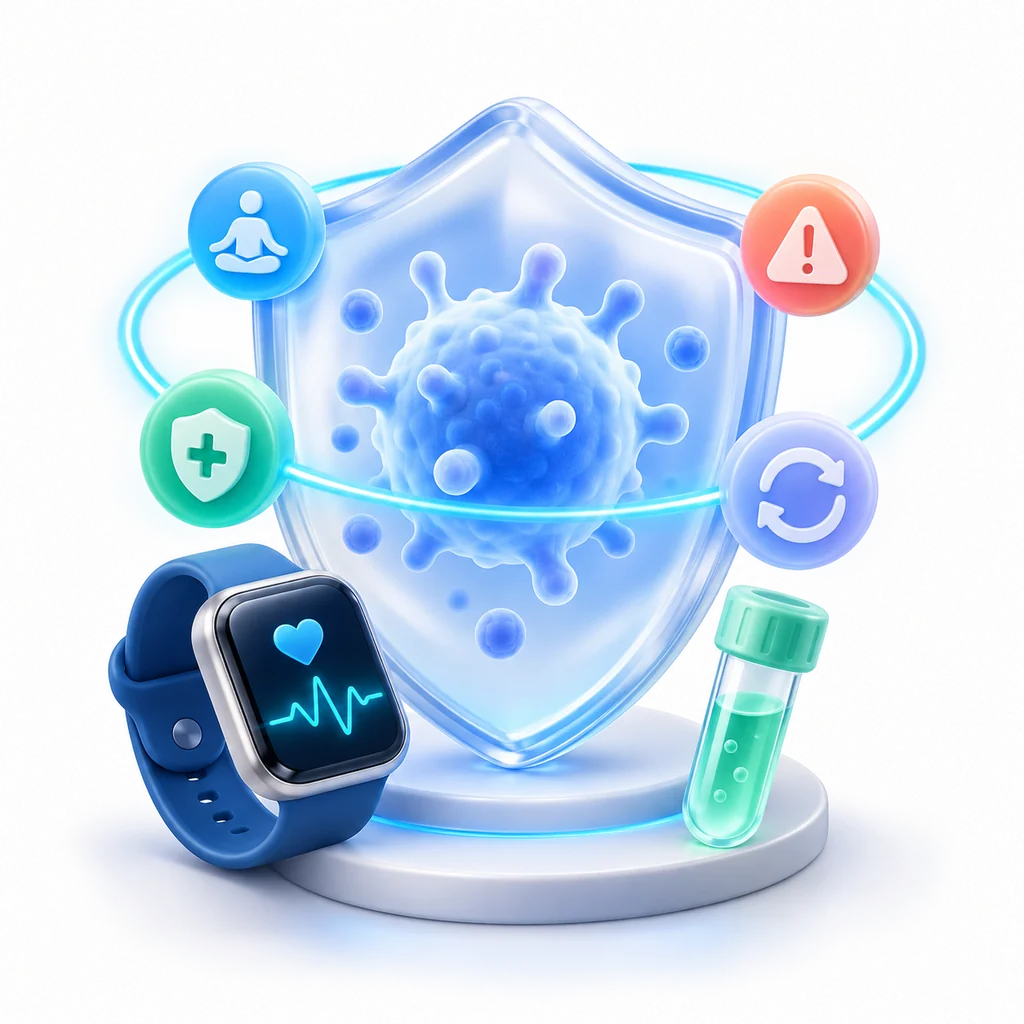
In short: immunity is two systems working as one. The innate system is the fast, general defence you are born with: skin, mucus, fever, inflammation and cells that attack anything that looks foreign. The adaptive system is slower and precise: it builds antibodies and cells against a specific invader and remembers it, so the next encounter is shorter or silent. Vaccines train the adaptive system without the illness. There is no switch that "boosts" immunity; there are conditions that let it work as designed, and sleep, nutrition, activity and vaccination are the ones you control.
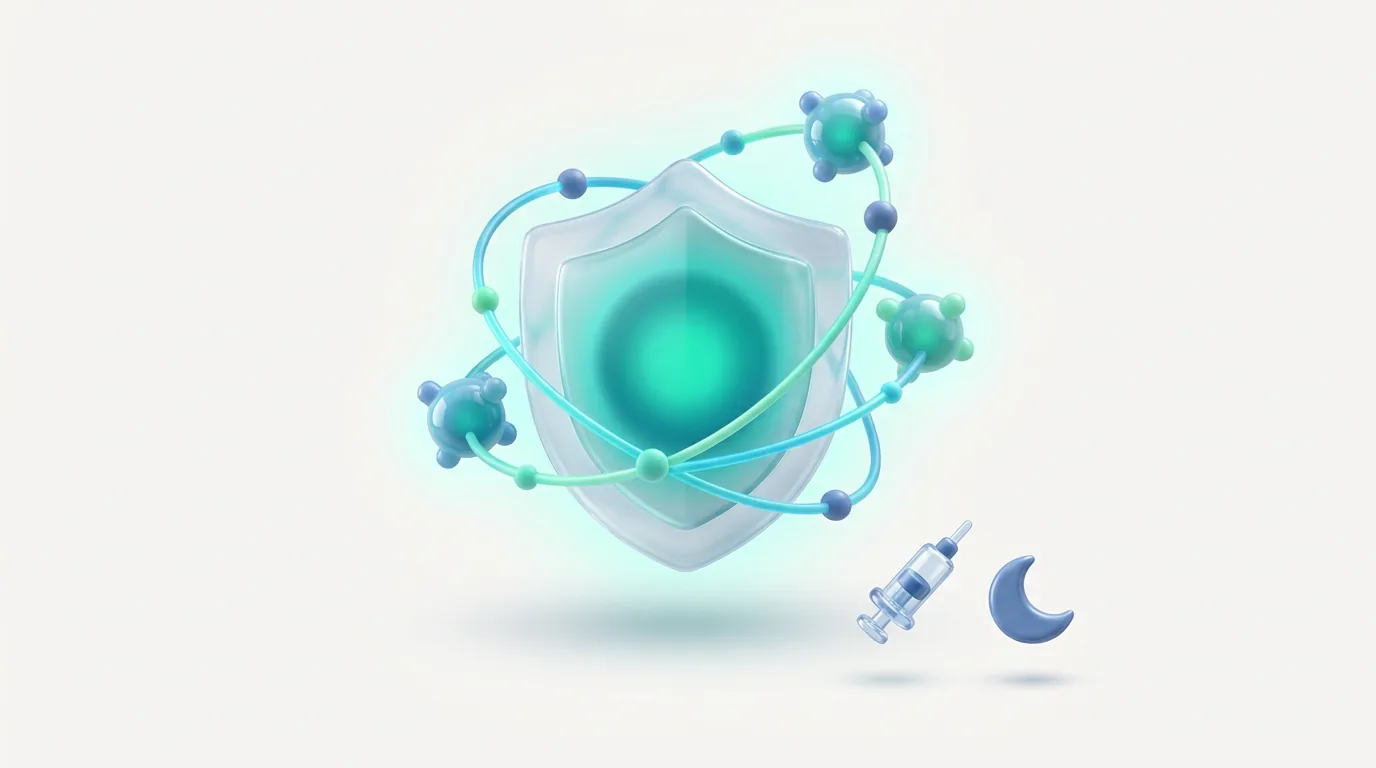
At a glance
| Innate immunity | Minutes to hours; barriers, inflammation, fever, general-purpose cells; no memory |
|---|---|
| Adaptive immunity | Days; antibodies (B cells) and killer or helper T cells aimed at one invader; keeps memory |
| Memory | Why a second infection is milder, and what vaccines create safely |
| What weakens it | Short sleep, long-term stress, smoking, heavy alcohol, poor nutrition, inactivity, older age, some conditions and treatments |
| What supports it | 7–9 hours of sleep, regular moderate activity, a varied diet, vaccines up to date, not smoking |
| What you can track | Sleep, activity, illness days, vaccination record |

Barriers first
Skin, mucus, stomach acid and friendly microbes stop most invaders before any cell has to fight.
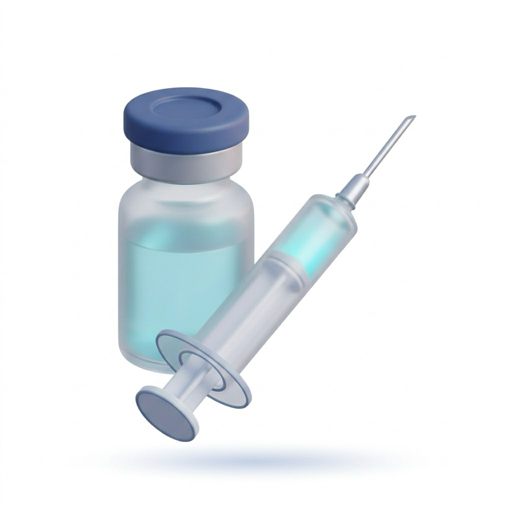
Memory, on purpose
A vaccine shows the adaptive system a harmless piece of a microbe so memory forms without the disease.
Sleep is part of the system
During sleep the body makes and releases immune signals; a week of short nights measurably lowers the response.
The innate system: fast and general
The innate system answers within minutes and treats every threat the same way. Skin and mucous membranes keep microbes out; stomach acid and enzymes destroy many that get in; friendly bacteria on the skin and in the gut crowd out the harmful ones. When something breaks through, cells such as neutrophils and macrophages swallow it, and inflammation brings more blood and cells to the site; fever makes the body a worse place for microbes to multiply. The innate system has no memory: it reacts to the hundredth cold the way it reacted to the first.
The adaptive system: slow, precise, with memory
The adaptive system takes days to get going, because it must find and multiply the few cells that match the invader. B cells make antibodies that stick to the microbe and mark it for destruction; T cells either help coordinate the response or kill infected cells directly. When the infection is over, a small number of memory cells remain for years. That is why most people get chickenpox once, and why the second winter with a virus is usually easier than the first. The two systems are not separate: innate cells present pieces of the invader to adaptive cells, and adaptive antibodies make innate cells more effective.
What vaccines do
A vaccine shows the adaptive system a harmless version or piece of a microbe (a weakened form, an inactivated one, a protein, or instructions to make one), so that antibodies and memory cells form without the disease. The sore arm and the day of tiredness afterwards are the innate response doing its part. Memory fades at different rates for different diseases, which is why some vaccines need boosters and others last a lifetime. A record of every dose, with dates, is the one piece of immune information you can keep exactly; Anpheros Daily keeps the family's vaccination record in each person's profile.
What weakens the response
Sleep is the clearest factor: several nights of short sleep reduce antibody responses to vaccines and increase the chance of catching a cold after exposure. Long-term stress, through cortisol and sleep loss, does the same. Smoking damages the airway's barriers; heavy alcohol impairs immune cells; very low intakes of protein, zinc, iron, vitamin D or vitamin C limit the raw materials. Older age slows the adaptive response, which is why some vaccines are formulated differently for older adults. Some medical conditions and treatments suppress immunity on purpose or as a side effect; people in that situation get specific advice from their doctor.
What supports it, and what does not
The evidence supports the unglamorous list: 7 to 9 hours of sleep, regular moderate activity (very long, intense sessions temporarily do the opposite), a varied diet with enough protein, fruit and vegetables, keeping vaccinations up to date, not smoking and limiting alcohol. It does not support the idea of "boosting" a healthy immune system with supplements or special products: in people without a deficiency, extra vitamins do not add protection, and an over-active immune system is what allergy and autoimmunity look like. The goal is a system that works as designed, not a stronger one.
What you can track
You cannot measure immunity at home, but you can see its conditions: sleep hours, activity, days ill, vaccinations and, from lab reports, the white cell count and inflammation markers over time. Anpheros Daily's immune system view puts sleep, activity, recent illness and vaccines in one picture, from data you already record, without claiming to score your immunity.
This page explains how the body works; it does not diagnose or recommend treatments. For symptoms that worry you, talk to your doctor.
Key terms
- Innate immunity: the fast, general defence present from birth: barriers, inflammation, fever, phagocytes.
- Adaptive immunity: the slower, specific defence of B and T cells that targets one invader and remembers it.
- Antibody: a protein made by B cells that binds a specific microbe or toxin.
- Memory cell: a long-lived B or T cell that allows a faster response on a second encounter.
- Vaccine: a preparation that trains adaptive immunity against a disease without causing it.
Related pages
- Acute vs chronic inflammation
- Cortisol and stress
- A family vaccination record on your phone
- How the lymphatic system works
- How sleep works
Sources
- NIH, National Institute of Allergy and Infectious Diseases: Overview of the immune system
- WHO: How do vaccines work?
- NHS: Vaccinations
- NIH Office of Dietary Supplements: Dietary supplements for immune function and infectious diseases
- CDC: Sleep and health
Frequently asked questions
Can I boost my immune system?
Not beyond its design. You can remove what weakens it (short sleep, smoking, heavy alcohol, inactivity, deficiencies) and keep vaccinations current; supplements do not add protection in people who are not deficient.
Why do I get sick when I am stressed?
Long-term stress raises cortisol and usually cuts sleep; both reduce the adaptive response. A few stressful days do little; months of it show up as more infections.
Why does a vaccine make my arm sore?
That is the innate system responding to the injection, which is part of how the adaptive system is alerted. It is not the disease.
Is a strong immune system always good?
No. Allergies and autoimmune conditions are the immune system reacting too much or to the wrong target. The aim is a well-regulated system, not a stronger one.
Does exercise help immunity?
Regular moderate activity is associated with fewer infections and better vaccine responses. Very long, intense efforts temporarily lower some immune functions, which is why rest after them matters.
Which blood tests show immune function?
A full blood count (white cells and their types) and inflammation markers give a doctor a basic picture; specialised tests exist for specific questions. None of them is a general 'immunity score'.
Try it in Anpheros Daily
Note how you sleep, eat, feel and move in Anpheros Daily, next to your lab results, and see the patterns over weeks.

Anpheros builds a medical record that the patient controls and can share with any clinic, on an HL7 FHIR R4 platform, based in the EU. These guides help you understand and organise your health; they do not replace your doctor.
About Anpheros → Anpheros
The more you log, the clearer your record
Your health history in one place, under your control.
Free · Works in your browser · No card