In short: the part of the nervous system you do not control, the autonomic system, has two branches. The sympathetic branch is the accelerator: faster heart, wider pupils, blood to the muscles, digestion paused. The parasympathetic branch, mostly carried by the vagus nerve, is the brake: slower heart, digestion on, repair on. Both are needed; health is the ability to switch. Long-term stress keeps the accelerator half-pressed, and the body pays in sleep, digestion, blood pressure and mood. Slow breathing, movement, sleep and social contact are the evidence-based ways to press the brake.
At a glance
| Sympathetic (accelerator) | Adrenaline and noradrenaline; heart rate up, pupils wide, muscles fed, digestion paused |
|---|---|
| Parasympathetic (brake) | Vagus nerve; heart rate down, digestion and repair on, calm |
| Switching time | Seconds for the accelerator; minutes for the brake |
| Long-term activation | Poor sleep, raised blood pressure, gut symptoms, tension, anxiety, low mood |
| What presses the brake | Slow breathing (about 6 breaths/min), exhaling longer than inhaling, walking, sleep, time outdoors, social contact |
| What you can track | Resting heart rate, heart-rate variability (watch), sleep, mood, gut symptoms |
Both branches are good
The accelerator saves your life in traffic; the brake lets you digest, sleep and heal. The problem is never one branch, it is being stuck.
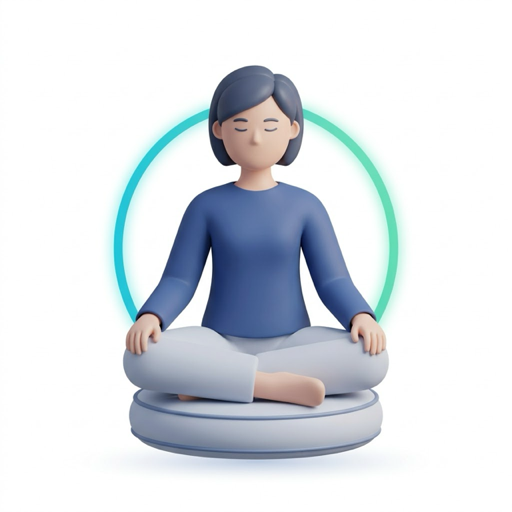
The breath is the handle
Breathing is the one autonomic function you can steer: slow it and the heart follows within a minute.
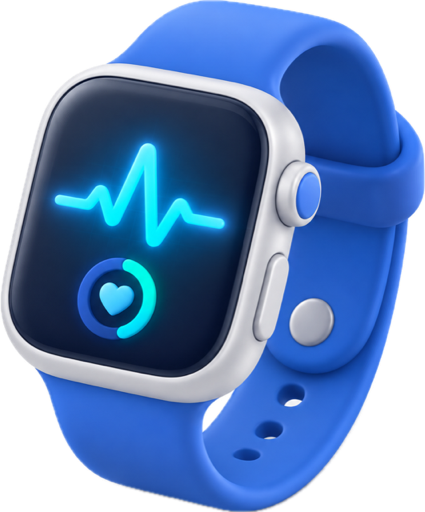
HRV is the brake's signature
Higher variability between beats means the parasympathetic branch is active; many watches estimate it.
Two branches, one dial
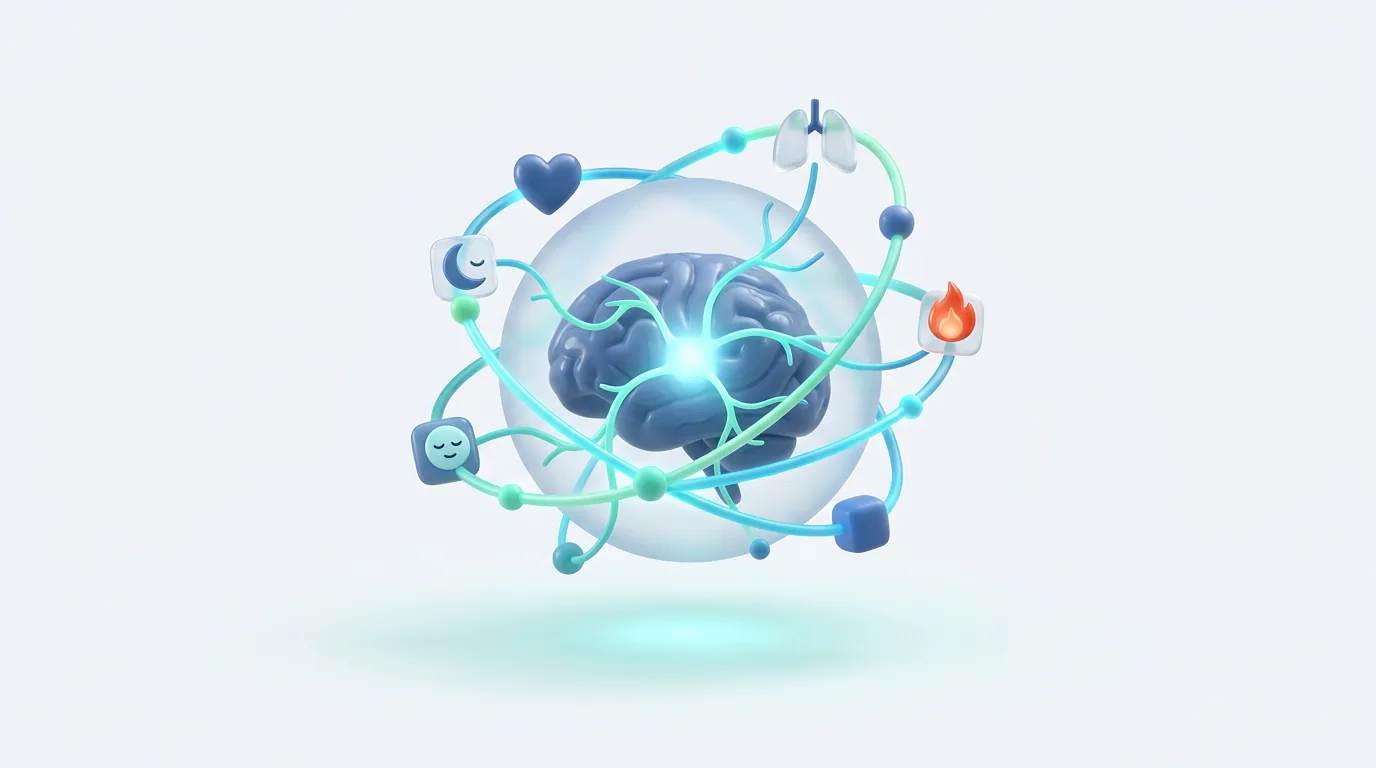
The autonomic nervous system runs the organs without your attention. Its sympathetic branch prepares the body for action: nerves release noradrenaline and the adrenal glands release adrenaline, so the heart beats faster and harder, airways widen, blood is diverted from the gut to muscles, sweat starts and the liver releases glucose. The parasympathetic branch does the opposite through the vagus nerve and its companions: heart rate falls, saliva and digestive juices flow, the gut moves, and the body shifts to repair. The two are not on or off; they are in constant proportion, like a dial, moving with every breath and every thought.
The stress response, step by step
A threat (real, remembered or imagined) is noticed by the amygdala; within a second the sympathetic branch fires; within minutes the HPA axis adds cortisol to keep the response going. When the threat passes, the vagus nerve restores the resting state. The whole cycle, from alarm to calm, is designed to take minutes to an hour. See Cortisol and stress for the hormonal half of the story.
What long-term activation does
When demands never pause, the dial stays tilted towards sympathetic. Sleep becomes light, because the body is on watch; blood pressure runs higher; the gut, deprived of its parasympathetic signal, cramps, slows or speeds (the gut–brain axis); muscles stay tense, which becomes headache and back pain; attention narrows and mood sinks. None of this is weakness; it is the physiology of a system built for short emergencies asked to run for months.
Pressing the brake
The vagus nerve responds to a few reliable inputs. Slow breathing, around six breaths a minute with a longer exhale than inhale, raises vagal activity within a minute; it is the mechanism behind most relaxation and breathing exercises. Rhythmic movement such as walking lowers sympathetic tone afterwards. Sleep is the longest parasympathetic period of the day. Cold water on the face, humming or singing and calm social contact all activate vagal pathways in studies. Mindfulness practice, over weeks, is associated with lower reactivity. These are not treatments for anxiety disorders or depression, which deserve a doctor's care; they are the daily maintenance of the switch.
Heart-rate variability
Heart-rate variability (HRV) is the small change in time between consecutive heartbeats. When the brake is active, the heart speeds up slightly on each inhale and slows on each exhale, so variability is high; when the accelerator dominates, the rhythm is more metronomic and variability drops. Many watches estimate HRV during sleep. Its absolute value varies hugely between people and means little; its trend against your own baseline, next to sleep and training, is informative. See Exercise and recovery.
What you can track
Resting heart rate and HRV from a watch, sleep, mood and gut symptoms from a short daily check-in, and the events of the day. A few weeks of that, side by side, shows which days tilt the dial and which bring it back. Anpheros Daily's daily check-in and relaxation exercises sit next to the watch data from Apple Health or Health Connect.
This page explains how the body works; it does not diagnose or recommend treatments. For symptoms that worry you, talk to your doctor.
Key terms
- Autonomic nervous system: the involuntary part of the nervous system that runs the organs.
- Sympathetic branch: the activating branch: fight, flight, effort.
- Parasympathetic branch: the calming branch: rest, digest, repair; carried mainly by the vagus nerve.
- Vagus nerve: the long nerve linking brainstem, heart, lungs and gut.
- Heart-rate variability: the beat-to-beat variation in heart rhythm; higher when the parasympathetic branch is active.
Related pages
- Cortisol and stress
- The gut–brain axis
- Exercise and recovery
- How sleep works
- Mindfulness and relaxation in the app
Sources
- NIH, National Institute of Mental Health: Stress
- NHS: Breathing exercises for stress
- NIH MedlinePlus: Autonomic nervous system disorders
- WHO: Doing what matters in times of stress (illustrated guide)
- Cochrane: Mindfulness-based interventions (reviews)
Frequently asked questions
Is the fight-or-flight response bad?
No. It is the reason you can react in an emergency or perform under pressure. It becomes a problem only when it does not switch off.
How fast does slow breathing work?
Heart rate and HRV respond within one to two minutes of breathing at about six breaths per minute with a long exhale. The feeling of calm follows shortly after.
What is a good HRV number?
There is no universal good number; values differ several-fold between healthy people. Compare yourself with your own baseline: a drop over days usually means poor recovery, illness or stress.
Can the vagus nerve be stimulated?
Yes: by slow breathing, cold on the face, humming, and in medicine by implanted or external devices for specific conditions. The everyday methods are enough for daily regulation.
Why does stress upset my stomach?
The sympathetic branch pauses digestion and the parasympathetic signal that keeps the gut moving is reduced, so cramps, nausea, constipation or diarrhoea follow.
When should I see a doctor?
If stress symptoms last weeks, affect sleep or work, include panic episodes, or come with chest pain, fainting or palpitations. Anxiety and depression are treatable, and self-help is not a substitute.
Try it in Anpheros Daily
Note how you sleep, eat, feel and move in Anpheros Daily, next to your lab results, and see the patterns over weeks.

Anpheros builds a medical record that the patient controls and can share with any clinic, on an HL7 FHIR R4 platform, based in the EU. These guides help you understand and organise your health; they do not replace your doctor.
About Anpheros → Anpheros
The more you log, the clearer your record
Your health history in one place, under your control.
Free · Works in your browser · No card