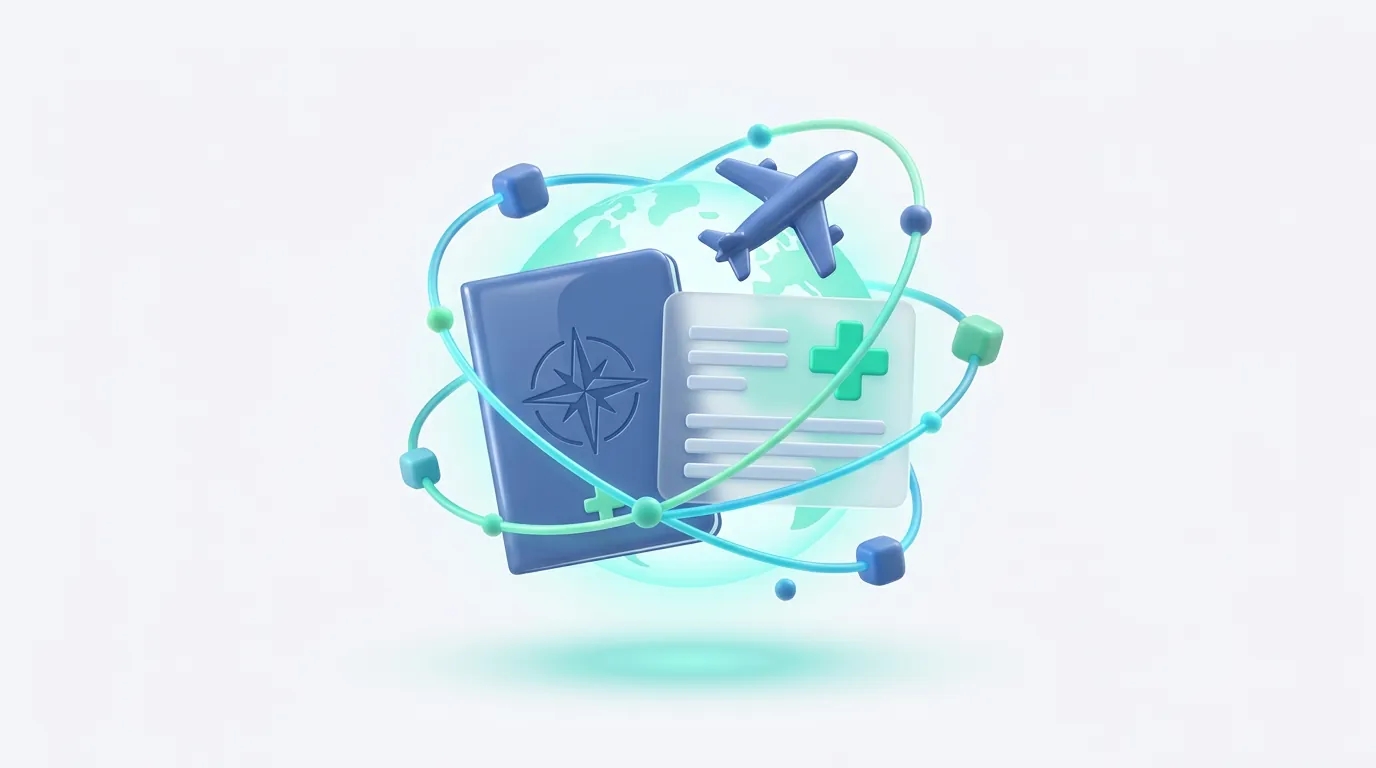
Short answer: a doctor abroad needs five things in their own language: your allergies, your conditions, your medicines with doses, your blood group and whom to call, plus anything recent that explains why you are there. Write medicines by active substance, not brand, because brands change between countries. Carry a translated card, such as the free travel medical card, now in 20 languages, and keep a summary on your phone that the doctor can open in their language, such as the emergency card and the shared summary in Anpheros Daily. The EU's cross-border patient summary exists between some countries today and is due across the EU by 2029.
At a glance
| Show first | Allergies, conditions, medicines with doses, blood group, emergency contact |
|---|---|
| Medicines | Active substance (INN) and dose, not only the brand |
| Free tool | Travel medical card with labels in 20 languages |
| On your phone | An emergency card and a summary the doctor opens in their language |
| EU exchange | MyHealth@EU patient summary in some countries now; EU-wide by 2029 (EHDS) |
| Emergency | 112 in the EU; elsewhere the local number (911 US, 999 UK) |
What the doctor needs first
In the first minutes, a doctor who does not know you looks for what could hurt you: an allergy, a medicine that interacts, a condition that changes the treatment. Put those first, in their language, with doses. Then add what brings you in: when it started, how it changed, what you took.
Medicines: substance, not brand
The same medicine has different brand names in different countries. The active substance, its International Nonproprietary Name, is the same everywhere: write "metformin 500 mg twice a day", not only the brand on your box. Many records also keep the ATC code, an international classification. A box or a photo of the package helps the pharmacist abroad.
What to carry
- A travel medical card in the local language. The free travel medical card prints your allergies, conditions, medicines and contact with the labels in 20 languages, from Spanish and Greek to Japanese and Arabic; what you type stays as you typed it.
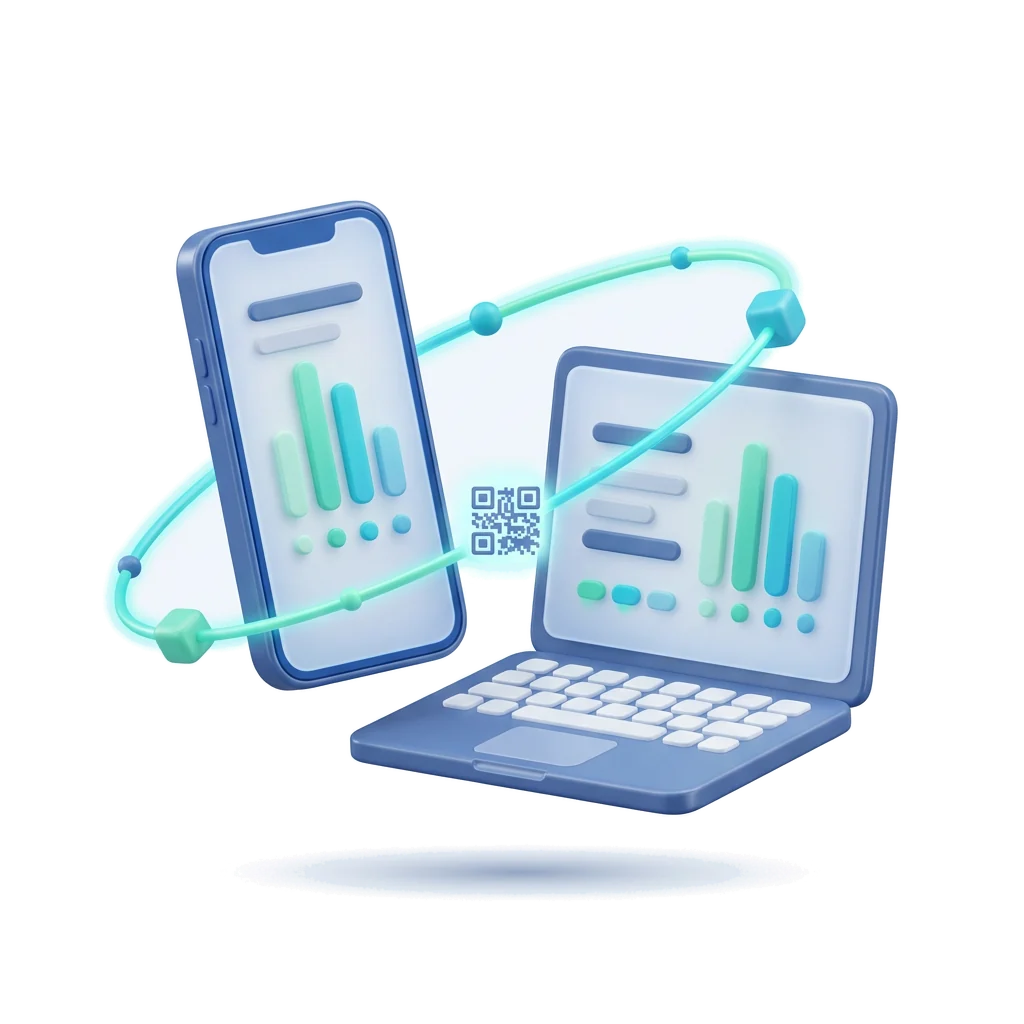
- A summary on your phone. In Anpheros Daily, the emergency card shows the essentials to anyone who scans its QR code, and a shared summary opens for the doctor in their language from a link that expires. The summary can be exported as an International Patient Summary, the format hospitals' systems read.
- Recent documents. The last discharge letter, recent results and a list of vaccinations. See taking your medical records abroad.
The EU cross-border patient summary
Under MyHealth@EU, some EU countries already exchange a patient summary and ePrescriptions between their national systems, with your consent. The European Health Data Space regulation makes this available across the EU, with patient summaries and ePrescriptions due by 2029. It depends on your country being connected and on the country you visit; until then, your own copy is what you can count on. See MyHealth@EU and the cross-border patient summary.
Frequently asked questions
How do I explain my medical history to a doctor who does not speak my language?
Show a card or summary in their language: allergies, conditions, medicines with active substance and dose, blood group and an emergency contact. The free travel medical card does this in 20 languages, and Anpheros shows a shared summary in the doctor's language.
Should I translate my medical records before travelling?
Translate the essentials: a one-page summary and your allergy and medicine list. Full records are rarely needed abroad; if they are, a certified translation may be required.
Can a doctor abroad see my records from home?
Within the EU, only where both countries are connected to MyHealth@EU and you consent, with EU-wide coverage due by 2029. Otherwise, bring or share your own copy.
What number do I call in an emergency abroad?
112 works across the EU and in many other countries. Elsewhere use the local number, for example 911 in the US and Canada or 999 in the UK.
Try it in Anpheros Daily
Keep your whole medical record in Anpheros Daily and share it with any clinic by link or QR code.
How it works in the app →
Anpheros builds a medical record that the patient controls and can share with any clinic, on an HL7 FHIR R4 platform, based in the EU. These guides help you understand and organise your health; they do not replace your doctor.
About Anpheros → Anpheros
The more you log, the clearer your record
Your health history in one place, under your control.
Free · Works in your browser · No card